
15,000 NYC nurses on strike face health benefits loss Feb. 1

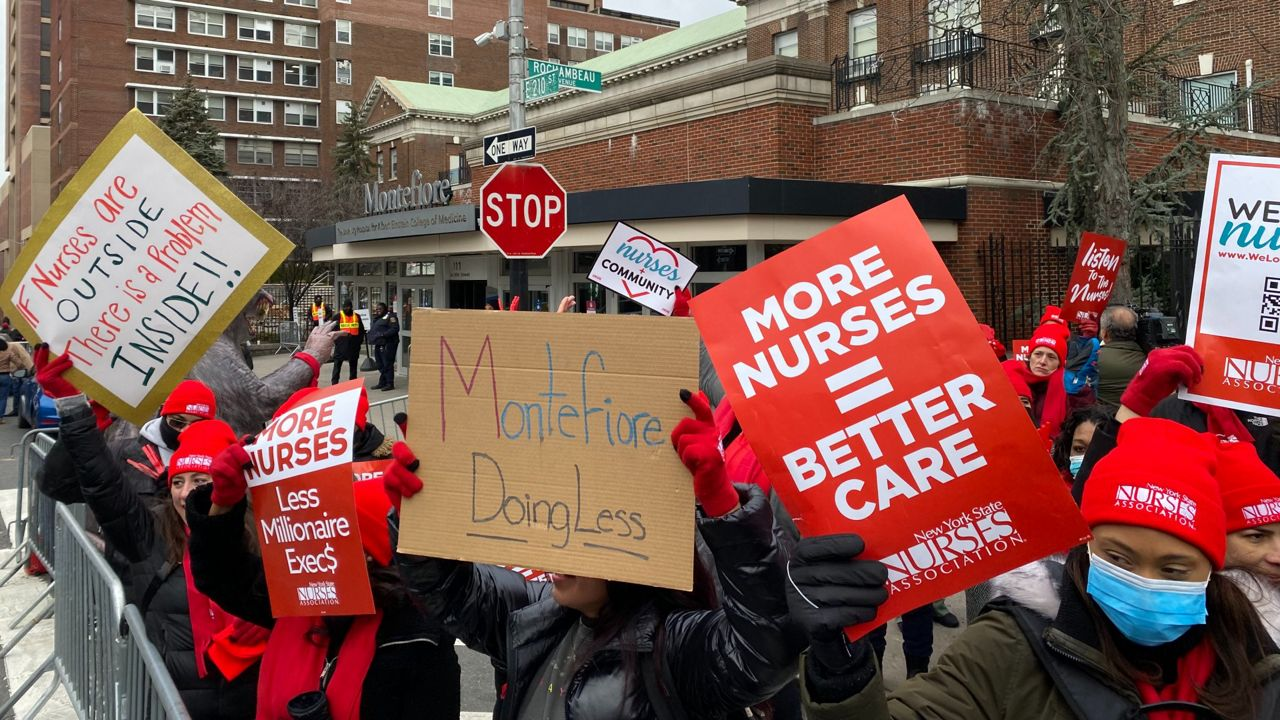
NEW YORK, UNITED STATES — As a nurses’ strike in New York City stretches into its second week, Montefiore Health System has warned that striking nurses could lose their employer-sponsored health coverage by February 1, raising concerns among healthcare leaders about workforce stability and continuity of care at major United States health systems.
According to a report from Becker’s Hospital Review, the notice issued as nearly 15,000 nurses remain off the job across Montefiore, Mount Sinai Health System, and NewYork-Presbyterian shows how extended labor disputes create effects that extend beyond the negotiation process and prevent healthcare workers from receiving medical treatment, which creates problems for hospitals throughout the United States.
February 1 deadline: Health coverage at risk
Montefiore said it is notifying striking nurses that their benefits will end on February 1 if the walkout continues, citing federal requirements.
“Montefiore has always been proud to provide free healthcare to our working nurses that includes no copays, no deductibles, free prescription drugs, dental, and vision, and we have always stated that these extremely generous benefits are not up for negotiation,” a system spokesperson shared in a statement with Becker’s, emphasizing the scope of existing coverage.
Once benefits lapse, nurses would be able to continue coverage under the Consolidated Omnibus Budget Reconciliation Act (COBRA) at their own expense, according to the health system.
For providers, the situation demonstrates an expanding challenge, which requires them to manage their financial and legal responsibilities during strikes while they try to keep their healthcare facilities staffed and secure patient safety throughout their operations.
The nurses who participated in the strike were members of the New York State Nurses Association (NYSNA) union. The union reported that they have been negotiating the contract for several months, as safe staffing requirements, workplace violence protection, and healthcare benefits remain unresolved.
NYSNA warned that changes could affect “nearly 44,000 people enrolled in the union’s benefit plan,” though health systems have pushed back on that claim.
“We have proposed maintaining our nurses’ current employer-funded benefits,” a NewYork-Presbyterian spokesperson said in a statement shared with Becker’s.
“To be clear, we are not eliminating health benefits,” the spokesperson added.
Mitigating labor shortages with telehealth and outsourcing
For healthcare executives across the U.S., the Montefiore situation serves as a case study in how labor actions can disrupt operations across entire systems.
Extended strikes lead hospitals to depend on temporary workers, which results in higher labor expenses while putting pressure on their remaining workforce, thus creating obstacles that decrease patient flow, operational efficiency, and staff well-being.
Health systems from other regions observe the ongoing negotiations, which show Mount Sinai achieving preliminary success through its current policy discussions and upcoming negotiations.
Organizations are conducting research to develop future workforce plans through their telehealth capabilities, their central clinical support services, and their decision to offshore specific non-medical operations.
The Montefiore strike and the approaching benefits deadline show that U.S. healthcare providers face a new challenge because their labor disputes now disrupt their workforce management abilities.







