
U.S. imposes new sanctions on Russia’s IT sector

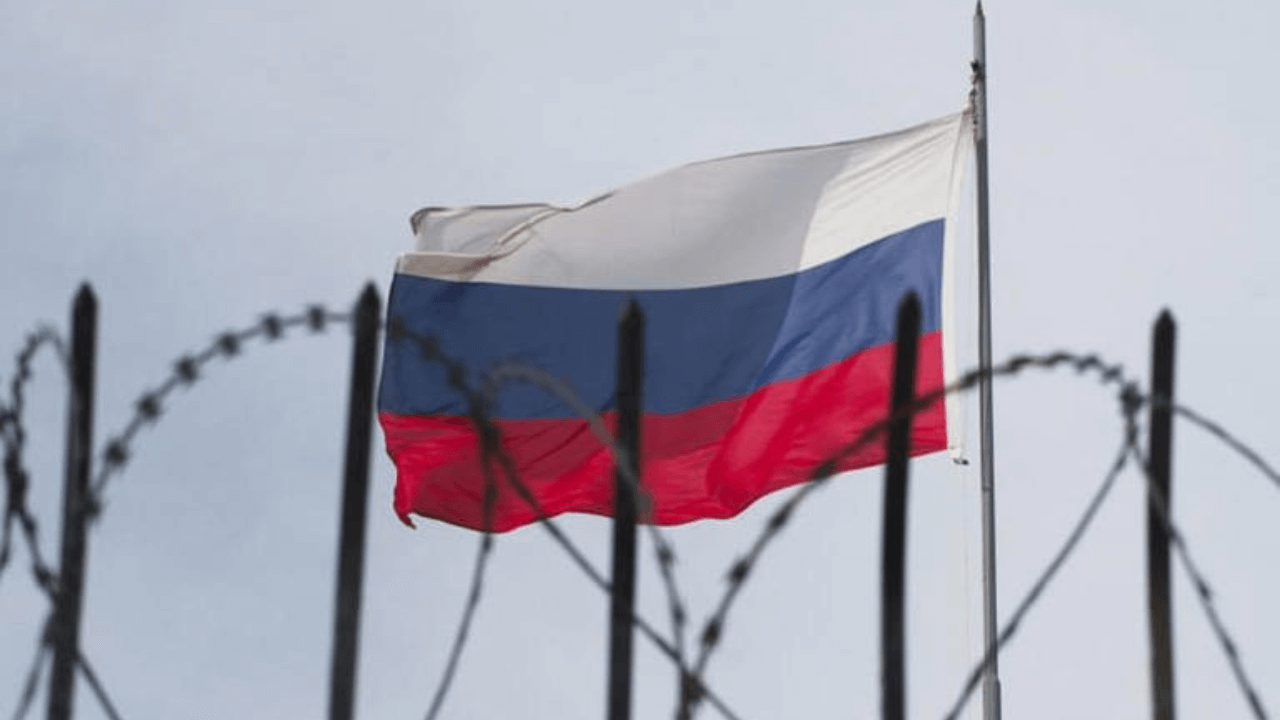
WASHINGTON D.C., UNITED STATES — In a significant escalation of economic measures, the United States has imposed stringent sanctions on Russia, specifically targeting the country’s IT sector.
This move has prompted a wave of withdrawals and restrictions from major technology companies, further isolating Russia from global digital services.
Major tech giants exit Russian market
Several leading tech firms have announced their exit from the Russian market following the U.S. sanctions.
According to the Ukrainian Ministry of Foreign Affairs, these companies either withdrew their services or imposed new restrictions on Russian users as early as September 12. Google, for instance, has blocked the registration of new accounts using Russian phone numbers and ceased AdSense income for Russian bloggers.
Atlassian, along with its popular project management tools Jira, Trello, and Confluence, has completely exited the Russian market. Similarly, Notion, a widely used project management service, is now unavailable in Russia. Miro, known for its collaborative online whiteboards, will no longer support accounts from Russia and Belarus.
Cloud and software services sever ties
In addition to these changes, Microsoft has begun disconnecting Russian users from its cloud services. Slack has also announced its departure, discontinuing its corporate messaging services in Russia. Other significant exits include CAD systems and Autodesk, as well as SAP and Oracle, which have left the country’s ERP market.
The sanctions extend beyond these withdrawals. The U.S. has prohibited its companies from providing IT consulting, design, support, and cloud services to any legal entity in Russia. This comprehensive ban aims to cripple Russia’s access to essential IT infrastructure and support.
Sanctions’ historical context and future implications
The Ukrainian Foreign Ministry recalled that the Yermak-McFaul Sanctions Group first proposed IT sanctions against Russia in November 2022. The ministry expressed gratitude to international partners for their decisive actions in implementing these measures.
Despite facing Western sanctions, Russia continues to generate substantial revenue from oil and gas exports, which it uses to fund its ongoing military activities in Ukraine. The latest sanctions are part of a broader strategy to cut off these financial resources by targeting other critical sectors of the Russian economy.
These developments mark a significant step in the international community’s efforts to pressure Russia economically. As the situation evolves, the impact of these sanctions on Russia’s IT capabilities and broader economy remains to be seen.
Broader international sanctions on Russia
The U.S. sanctions are part of a wider set of restrictions that include measures from the United Kingdom and European Union. These sanctions have targeted various sectors, including financial services and military industries, aiming to disrupt Russia’s war economy.
The sanctions have been expanded to include secondary sanctions on foreign financial institutions that support Russia’s military-industrial base, further intensifying the economic pressure on Russia.
Read more here.
Related news
- Philippine BPO revenue to hit $37.5Bn in 2024: IBPAP · 4 Oct
- Fiji’s outsourcing industry targets $500Mn growth by 2034 · 17 Sep
- Special class BPOs safe as Philippines shuts down POGOs · 16 Sep
Disclosure: Outsource Accelerator uses AI tools in the backend of its editorial workflow. Every article is reviewed and verified by a human editor before publication.
Stay ahead of the outsourcing industry. Join thousands of business leaders who rely on Outsource Accelerator for the news, trends, and expert insights that matter. Subscribe to our free newsletter and never miss an update.








