
Pakistan’s IT sector drives economic growth amid persistent challenges

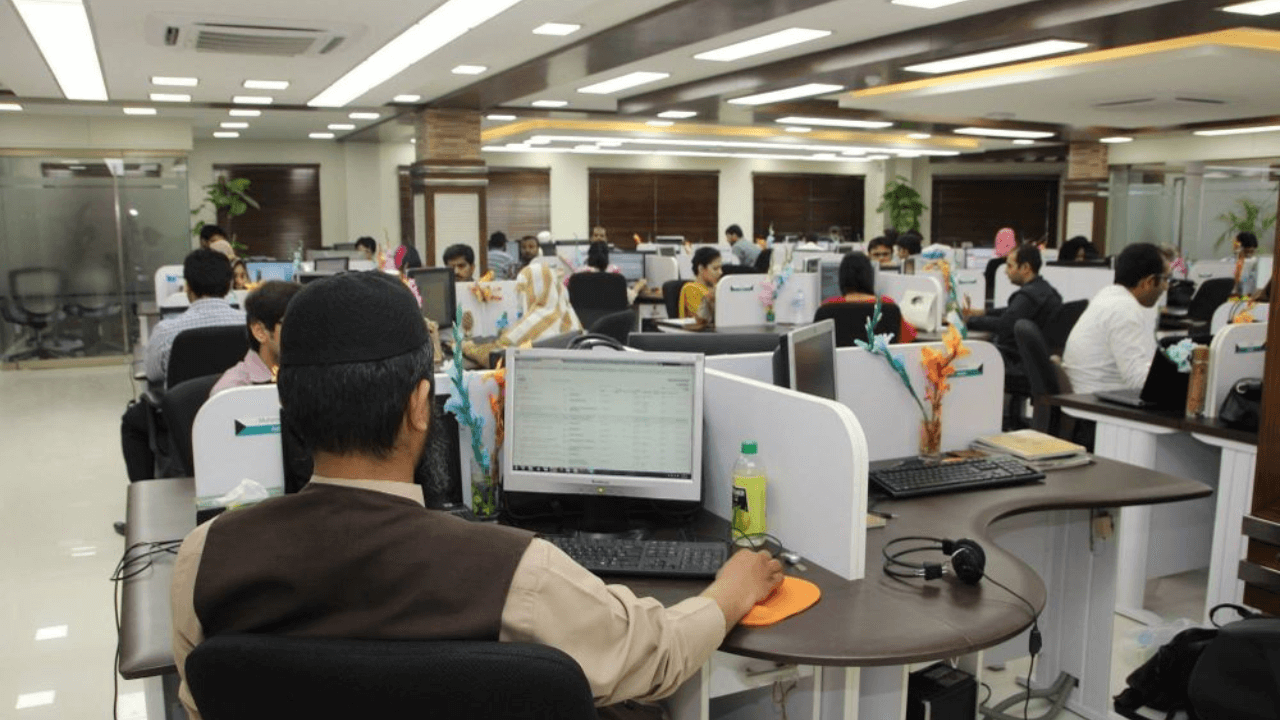
ISLAMABAD, PAKISTAN — Pakistan’s information technology (IT) sector has emerged as a key driver of economic growth, with stakeholders emphasizing the need for consistent policies and targeted reforms to harness its full potential.
Federal Minister for Finance and Revenue Senator Muhammad Aurangzeb, during a meeting of the Prime Minister’s Committee on IT Export Remittances, highlighted the sector’s critical role in generating foreign exchange through export remittances.
“The IT sector has the potential to be a cornerstone of foreign exchange generation through export remittances. A collaborative approach, consistent policies, and targeted reforms are essential to unleash its full potential,” Aurangzeb remarked.
The meeting focused on improving capital movement for IT export remittances, simplifying tax procedures for freelancers, and addressing challenges faced by small IT firms and remote workers.
With 2.32 million freelancers contributing 15% of IT exports, stakeholders stressed improved banking access as only 38,000 freelancers currently have bank accounts.
Barriers to growth: Internet disruptions and policy gaps
Despite steady growth in IT exports, significant challenges hinder the sector’s progress. Bureaucratic hurdles and limited access to global payment platforms like PayPal prevent the full repatriation of export revenues. Moreover, frequent internet disruptions pose a serious threat to the industry’s stability.
Muhammad Azhar, a software house owner, voiced concerns over internet slowdowns, stating, “We are living under constant fear of internet slowdowns or shutdowns, which is very risky for those related to the IT industry.”
Such outages disrupt operations and damage Pakistan’s reputation as an outsourcing destination. Nasir Ali, an IT professional, revealed his firm lost a client due to delays caused by poor connectivity.
“Our company can’t afford expensive premier internet. We have a ‘shared internet’ which gets impacted when the government puts a break on it for its own political compulsions.”
Reforms and strategic roadmap
To address these challenges, the government has formed a working group comprising representatives from the Federal Board of Revenue (FBR), the State Bank of Pakistan (SBP), the IT Ministry, the Pakistan Software Houses Association (P@SHA), and the Freelancers Association. The group aims to harmonize data, simplify processes, and enhance transparency in policymaking.
Initiatives such as streamlining account-opening procedures and leveraging Roshan Digital Accounts for international remittances are underway.
However, stakeholders insist that uninterrupted internet services and access to global payment gateways are vital for sustaining growth.
A sector under pressure
The IT industry continues to operate under the looming threat of internet restrictions driven by political decisions. Freelancers and startups are particularly vulnerable as they rely heavily on stable connectivity for international projects. Experts warn that without immediate reforms to restore confidence in digital infrastructure, Pakistan risks losing its competitive edge in the global IT market.
As Aurangzeb reaffirmed the government’s commitment to fostering the sector, stakeholders remain cautiously optimistic but stress that actionable steps are needed to position Pakistan as a global IT hub.
Read more here.
Related news
- Pakistan IT experts urge swift action on 5G rollout · 10 Jan 2025
- Global tech layoffs plunge 42% as industry stabilizes: report · 11 Jan 2025
- South Africa’s Transaction Capital transforms into global BPO powerhouse · 24 Dec
Disclosure: Outsource Accelerator uses AI tools in the backend of its editorial workflow. Every article is reviewed and verified by a human editor before publication.
Stay ahead of the outsourcing industry. Join thousands of business leaders who rely on Outsource Accelerator for the news, trends, and expert insights that matter. Subscribe to our free newsletter and never miss an update.








