
Marcos bolsters Philippines-India IT-BPM ties in Bengaluru visit

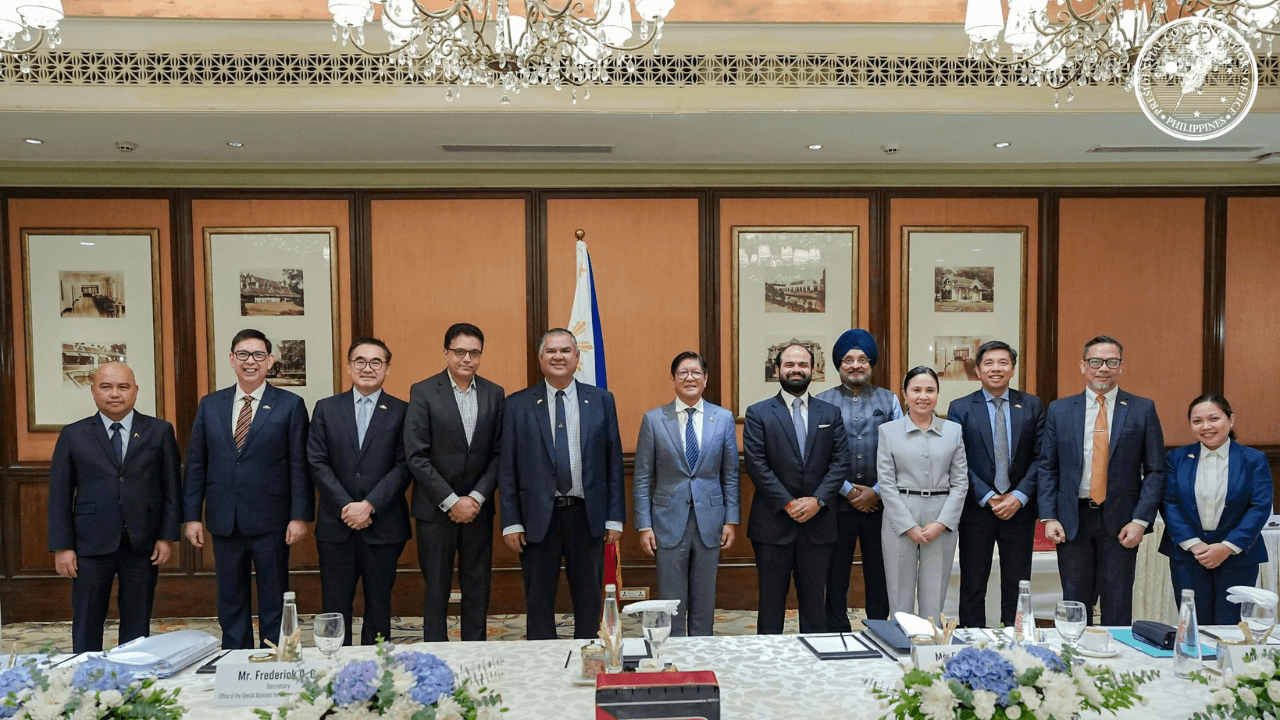
BENGALURU, INDIA — President Ferdinand Marcos Jr. is turning his India state visit into a strategic mission to boost the Philippines’ information technology-business process management (IT-BPM) sector through AI upskilling and expanded digital investments.
As Marcos visited Bengaluru, India’s tech hub, his priority was collaborations to transform the Philippines’ 1.8 million-strong IT-BPM workforce into AI-proficient professionals. Instead of sending Filipinos abroad, the plan harnesses Indian-owned firms in the Philippines to scale in-house AI training—mirroring India’s own successful knowledge-transfer strategies.
“What we want is for our collaboration to reach the point of upskilling almost 1.8M Filipinos working in the IT-BPM sector so that they become skilled and proficient in AI, which is where the world is headed,” said Josel Ignacio, Ambassador of the Philippines to India, to Daily Tribune.
Major investment pledges across four key sectors
President Bongbong Marcos Jr. engaged in high-level discussions with top Indian firms—including ISON Tower, Hinduja Group, NephroPlus, and Tata Consultancy Services (TCS)—during closed-door meetings in Bengaluru, securing commitments to expand their Philippine operations in digital infrastructure, healthcare, and BPO sectors.
ISON Tower promised an investment in renewable energy and job creation, while Hinduja Group pledged to its development through such ventures as Hinduja Global Solutions (HGS).
Conversely, NephroPlus explored more collaborations in the delivery of dialysis and renal care. At the same time, TCS promised an expansion of its workforce and digitalization efforts. Thus, its development plans matched those of President Marcos Jr. regarding long-term growth in the economy and healthcare.
The visit also underscores urgency; as Ignacio warned, the Philippines can’t rely solely on voice-based services when AI automates traditional roles.
“Technology is advancing very quickly, we need to keep up with it and we need to be onboard on the AI trend,” he told Daily Tribune.
Philippines-India ‘Coopetition’ in IT-BPM to drive AI adoption
Although India dominates in IT services and the Philippines in BPM, both of these countries have a reciprocal interest in AI upskilling.
Ambassador Ignacio emphasized the importance of collaboration over competition, as it will future-proof their workforces in the face of AI-driven global outsourcing.
“We see a big thing that we can do in India that we call relationship, not competition, even though both of them are leading in IT BPM, they call it coopetition, there is competition but more on cooperation,” he said.
Key to this strategy is leveraging Indian expertise without the mass relocation of Filipino workers. Many Indian IT-BPM firms already operate in the Philippines, enabling in-house AI training.
The government is sweetening the deal with incentives for companies that upskill locally, ensuring the millions of Filipino BPM workforce stay competitive.
“Together, we can share and then shape regional norms, deepen supply chain resilience, and lead in inclusive innovation. We are also opening new avenues for investment in areas where India is demonstrating global leadership and where the Philippines is strategically positioned to contribute,” President Marcos Jr. said, highlighting their commitment to delivering innovation with this partnership.
Marcos’ push aims to reposition the Philippines as a high-value AI-enabled BPM hub rather than a low-cost labor market.
Related news
- Philippines BPO workers demand higher wages, AI safeguards · 30 Jul
- PEZA investments surge 59% in H1 2025, IT-BPM among top sectors · 5 Jul
- Philippines boosts digital upskilling to safeguard BPO jobs from AI · 28 Apr
Disclosure: Outsource Accelerator uses AI tools in the backend of its editorial workflow. Every article is reviewed and verified by a human editor before publication.
Stay ahead of the outsourcing industry. Join thousands of business leaders who rely on Outsource Accelerator for the news, trends, and expert insights that matter. Subscribe to our free newsletter and never miss an update.








