
Miami hotel’s Indian virtual front desk ignites job outsourcing debate

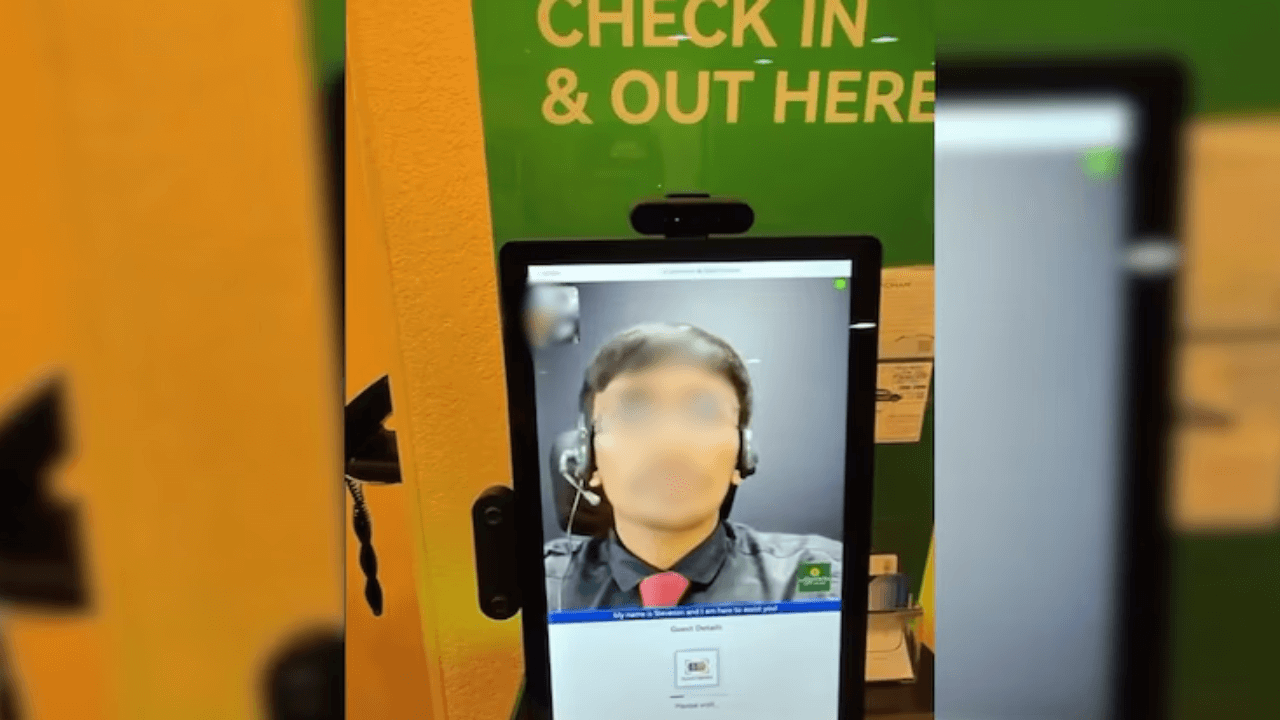
FLORIDA, UNITED STATES — La Quinta, a Miami hotel, has ignited controversy after a viral video revealed its front desk operations were outsourced to a virtual employee based in India.
The incident, which underscores the accelerating trend of remote and outsourced labor, comes amid rising concerns about the displacement of American hospitality workers, especially as automation and technological solutions become more widespread within the industry.
Criticism over outsourcing of hospitality jobs
The controversy erupted after the video—widely viewed and shared by Pete Langs on TikTok and Instagram—captured a guest’s check-in being handled remotely via video call. Many viewers assumed, based on the accent and visual clues, that the attendant was working from India.
Miami hotel has outsourced their front desk to India. Guests are checked in virtually on video call with an Indian representative
More American jobs outsourced overseas. At some point this should just become illegal. If you make money in America, you should hire Americans pic.twitter.com/la8FJZHym3
— Wall Street Apes (@WallStreetApes) August 2, 2025
The clip stoked calls for policy intervention and reignited debates around “America First” hiring in service industries. Critics argue that companies earning profits in the United States marketplace should prioritize employing locals, particularly in sectors like hospitality that offer numerous job opportunities.
People’s growing frustration with job displacement is evident in the backlash on social media, which includes demands for governments to take legislative action to curb it.
Wyndham claims virtual check-in violates brand standards
A Wyndham Hotel spokesperson explained that the involved hotel is run by independent owners, and virtual staffing at the chain is against brand standards of having physical front-desk staff.
“This is a franchised location, meaning the hotel is independently owned and operated, and as such, we don’t control staffing. That said, this franchisee’s use of this equipment is not brand approved nor is it being marketed to other franchisees,” a spokesperson told The New York Post in a statement.
But other Wyndham properties have been observed to have the same setup, and it may not be an isolated incident. The videos have fueled discussions about corporations’ responsibility in preserving domestic jobs.
Technology vs. human touch in hospitality
While there is efficiency at virtual front desks, some deplore the absence of face-to-face human contact, which forms the foundation of hospitality.
The Miami experience is part of a broader trend driven by the technology of automation, with hotels in Florida and Amsterdam testing iPad-based, or completely self-service, systems. Its advocates say this reduces expenditure and increases the pace, while critics advise that it lowers the quality of service.
Wyndham offers mobile check-in at select locations, but the outsourcing of live staff to overseas workers adds a contentious layer. The question remains whether guests will accept faceless convenience over traditional hospitality.
Virtual staffing brings efficiency
Despite job outsourcing concerns, the virtual front desk offers several significant advantages, including 24/7 access, operational productivity, cost efficiency, and multilingual support, potentially leading to competitive service.
Similarly, a handful of New York City restaurants were previously reported to be employing virtual cashiers who greet customers via video call from the Philippines.
The technology keeps a personal touch by using live video agents and visual engagement tools, providing a mix of efficient digital service and the friendly service people expect from traditional hospitality, while also addressing the ongoing staffing challenges in the industry.
Related news
- Virtual staffing expands globally as industries face challenges · 19 Aug
- Marcos bolsters Philippines-India IT-BPM ties in Bengaluru visit · 9 Aug
- AI in BPO market set to reach $49.6Bn globally by 2033: Market.us · 9 Aug
Disclosure: Outsource Accelerator uses AI tools in the backend of its editorial workflow. Every article is reviewed and verified by a human editor before publication.
Stay ahead of the outsourcing industry. Join thousands of business leaders who rely on Outsource Accelerator for the news, trends, and expert insights that matter. Subscribe to our free newsletter and never miss an update.








