
U.S. lawmaker defends H-1B visas for doctors amid healthcare crisis

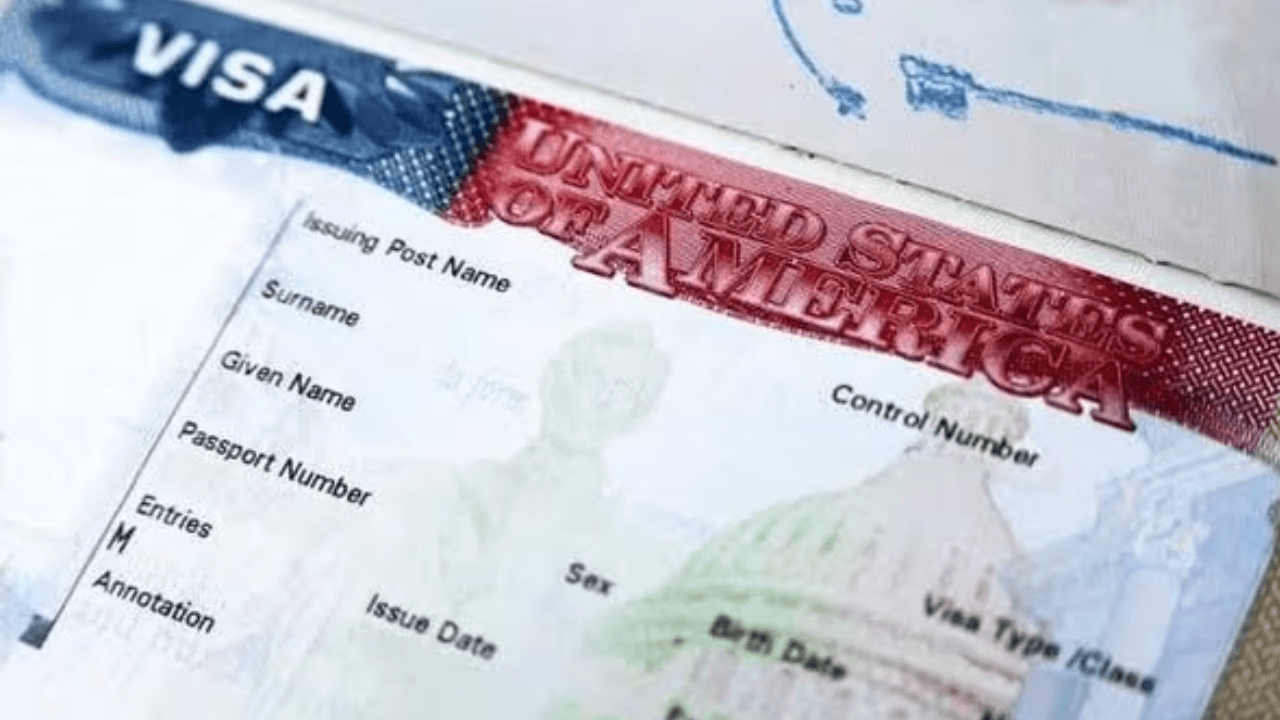
WASHINGTON D.C., UNITED STATES.
“H1-B Visas are critical for helping alleviate the severe physician shortage this nation faces,” Dr. Murphy noted.
H1-B Visas are critical for helping alleviate the severe physician shortage this nation faces. We cannot train enough American Doctors fast enough. We can’t let lack of knowledge of the importance of this program to affect patient care.
— Congressman Greg Murphy, M.D. (@RepGregMurphy) August 8, 2025
Rural healthcare needs vs. immigration politics
The remarks of the North Carolina surgeon come at a time when the Trump administration is considering a policy to tighten H-1B regulations, raising the prospect of a controversial foreign-trained doctor taking over the role of underserved communities.
According to Republican Congressman Dr. Greg Murphy is facing backlash after defending H-1B visas as critical for addressing America’s rural physician shortage, the Hindustan Times, “We cannot train enough American doctors fast enough. We can’t let lack of knowledge of the importance of this program to affect patient care,” Dr. Murphy tweeted, noting foreign medical graduates often serve in areas where U.S. physicians refuse to practice.
The backlash reflects growing tension between the politician, Dr. Murphy’s party immigration hardliners, and healthcare realities in red-state districts facing provider shortages.
Political divide over H-1B visa policies
The visa program, aimed at skilled foreign workers, has long been a contentious issue, with predictions of economic gains on one hand and concerns that it displaces American workers on the other.
The stance of Murphy puts him at odds with some of his fellow party members, particularly Trump supporters who oppose the expansion of foreign labor.
The backlash was swift against Murphy, with many social media users blaming him for a failed response, particularly for not addressing systemic challenges such as artificially limited residency programs that exclude qualified American medical students.
Critics argue that prioritizing H-1B visas over national training investment weakens American professionals.
The arguments highlight further pressure on immigration policy as the administration contemplates additional limitations.
Beyond H-1B, exploring offshore staffing benefits
As debates over H-1B visas intensify, businesses and healthcare providers can explore virtual staffing or offshore staffing as a flexible, cost-effective solution to talent shortages.
Offshore teams provide an easy way of accessing highly skilled professionals, be they telemedicine specialists or administrative support, without the burdens of looking after the problem of visas or residence blocks.
By leveraging global talent pools, organizations can maintain operational efficiency while reducing dependency on immigration policies.
Read more here.
Related news
- Pakistani nurses move to Western nations, adding to healthcare crisis · 12 Aug
- Collette Health taps virtual nursing pioneer to boost care platform · 9 Aug
- Healthcare IT burnout threatens efficiency and patient care · 8 Aug
Disclosure: Outsource Accelerator uses AI tools in the backend of its editorial workflow. Every article is reviewed and verified by a human editor before publication.
Stay ahead in healthcare outsourcing. Join thousands of healthcare and business leaders who rely on Outsource Accelerator for the news, trends, and expert insights shaping medical BPO and the future of care delivery. Subscribe to our free newsletter and never miss an update.








