
VA watchdog finds gaps in veterans’ electronic health records

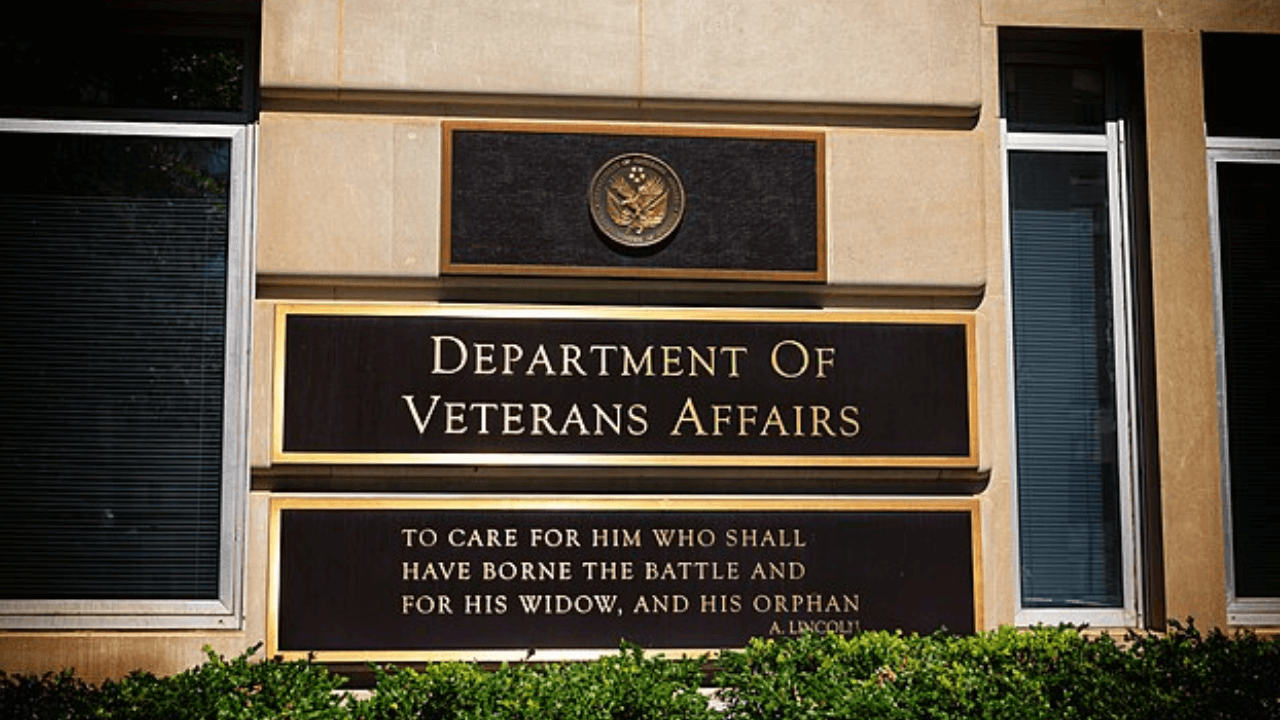
WASHINGTON, D.C., UNITED STATES — A new report from the Veterans Affairs Office of Inspector General (VA OIG) reveals critical flaws in how the Veterans Health Administration (VHA) tracks and processes medical records from community care providers.
Incomplete data and software shortcomings are jeopardizing timely care coordination for veterans, with nearly 630,000 consults lacking proper documentation in a recent six-month period.
Health record gaps put veterans’ care at risk
Such omissions complicate patient follow-ups by the clinicians and can lead to duplicated tests and patients who receive no treatment.
Some VHA facilities also struggled to access community provider records, and delays in uploading data to electronic health records (EHRs) occurred in certain locations.
It was reported that 62 sites had successfully imported 90% or more of records, but there was a shortcoming in the uniformity of policies and priorities that hindered further efficiency.
In the absence of such consistent data, there is a risk of failing to deliver treatment to veterans, particularly those located in rural regions that require community care.
Systemic challenges in VA-community provider data exchange
Recurring challenges to interoperability are evidenced by the VA’s use of external providers. Community care networks, despite being contractually obligated to send records within 30 days, often fail to do so, requiring VHA personnel to pursue missing files manually.
Records were accessed through health information exchanges by some facilities, but technological limitations and a lack of clarity in policies impeded integration of these facts.
VA leadership has acknowledged these hurdles, with Secretary Doug Collins citing interoperability as a key reason for accelerating the Oracle Health EHR rollout.
“VA’s EHRM effort is moving the department from a decades-old legacy system to a modern system that is interoperable with systems at the Department of Defense and other federal partners, as well as participating community care providers, allowing clinicians to easily access a veteran’s full medical history anywhere they seek care,” said Collins.
A modernized system could streamline data sharing with the Department of Defense and community providers. However, until then, veterans remain at risk of delayed or fragmented care due to administrative and technical breakdowns.
Safeguarding data through healthcare outsourcing
With EHR being included into the current health arena, effective offshoring offlining also becomes an essential proponent of safeguarding delicate patient data.
By engaging with credible offshore healthcare outsourcing providers who operate in line with the best practices regarding encryption, compliance program package, and secure data-sharing solutions, healthcare organizations can address privacy issues and maximize cost-effectiveness and efficiencies
Such precautionary steps as blockchain-based security and AI-enabled access controls reduce the risks even more, providing smooth international collaboration across borders without jeopardizing any confidentiality and without compromising on the best standards of data security.
Related news
- Watchdog flags severe staffing shortages across U.S. VA hospitals · 16 Aug
- Chinese surgeons achieve world-first in remote robotic surgery · 20 Aug
- Epic approves first inpatient virtual care platform · 19 Aug
Disclosure: Outsource Accelerator uses AI tools in the backend of its editorial workflow. Every article is reviewed and verified by a human editor before publication.
Stay ahead in healthcare outsourcing. Join thousands of healthcare and business leaders who rely on Outsource Accelerator for the news, trends, and expert insights shaping medical BPO and the future of care delivery. Subscribe to our free newsletter and never miss an update.








