
Gen Z rejects full remote work for hybrid, craving office social bonds

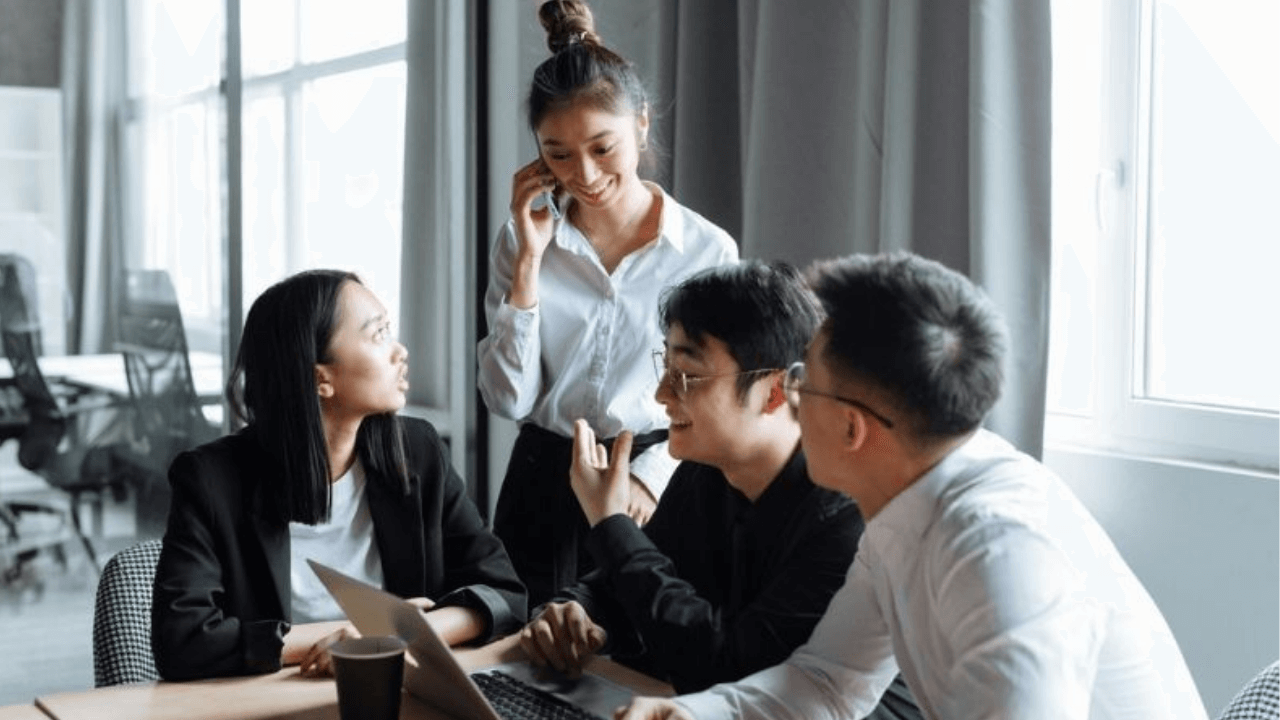
NEVADA, UNITED STATES — Fueled by concerns over career development and isolation, a significant portion of Gen Z employees are now seeking more in-person work.
This trend places the digitally native generation, which began its professional journey during the peak of remote work, at the forefront of a shifting workplace dynamic.
Rising workplace isolation fuels demand for office time
Gen Z is reporting significant feelings of social isolation, directly challenging the assumption that a digitally fluent generation thrives in a fully remote environment.
According to a recent Bupa survey, a comprehensive survey of 8,000 workers by Bupa found that 38% of Gen Z employees feel socially isolated due to their working arrangements, a higher rate than any other generation. This data confirms that the absence of daily, casual interactions is weighing heavily on the youngest cohort of professionals.
The benefits of remote flexibility are now being measured against steep career costs, including a scarcity of mentorship and fewer opportunities to build professional networks.
This is not a call for a full-time return, however, as only one in ten Gen Z workers desire to be in the office five days a week.
“I specifically applied for roles with a physical office where I have supportive colleagues, can socialize at lunchtimes and meet friends in the evenings,” said one Gen Z worker to The HR Digest.
Hybrid workplaces evolving into social, cultural hubs for Gen Z
The demand for a hybrid model is also reimagining the purpose and culture of the physical office itself. To Gen Z, the office is no longer a functional space but is being redesigned as a living social environment to work in and share cultures.
This generation is taking its culture to the workplace, where they are delivering more relaxed, affirmative vernacular and disrupting the old hierarchies of corporations.
The same change in culture is both a threat and an opportunity for employers. Organizations that cannot adapt to these changing tastes might lose younger workers to attrition and cultural decline.
This pivot underscores a fundamental human truth: even the most digital-native generation still craves the authentic connection and professional growth that only a shared physical space can fully provide.
Related news
- Ad giant WPP faces backlash over office return mandate · 30 Jan
- Gen Z sees AI as better leaders and emotional partners: Wiingy · 10 Sep
- 77% of Gen Z bring parents to work, alarming managers: Resume Templates · 11 Sep
Disclosure: Outsource Accelerator uses AI tools in the backend of its editorial workflow. Every article is reviewed and verified by a human editor before publication.
Stay ahead of the outsourcing industry. Join thousands of business leaders who rely on Outsource Accelerator for the news, trends, and expert insights that matter. Subscribe to our free newsletter and never miss an update.








