
AI chest X-rays find hidden lung cancer early, ease radiology strain

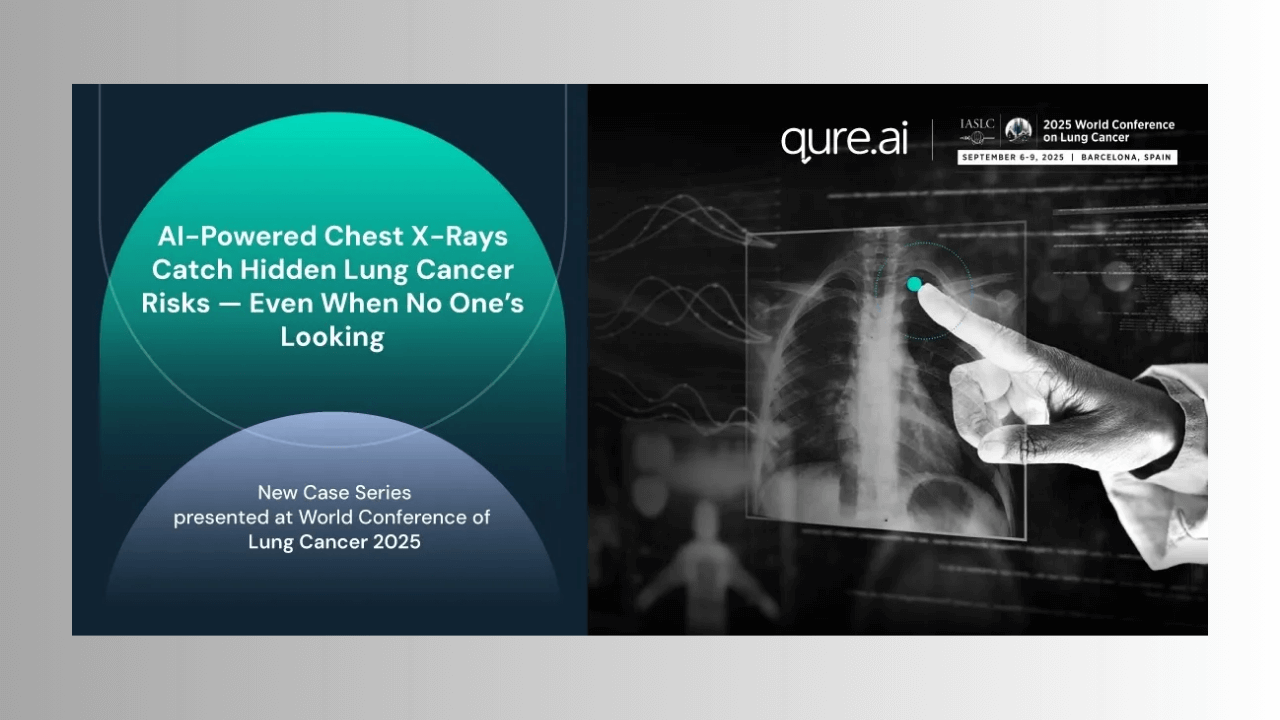
MUMBAI, INDIA — Artificial intelligence (AI) is reshaping routine chest X-rays into transformative tools for preventive detection of lung cancer, with a new study showing the technology can identify hidden tumors before the onset of symptoms, delivering essential help for hospitals facing radiologist shortages worldwide.
During the IASLC world conference on lung cancer in Barcelona, Qure.ai and researchers from Hacettepe University presented clinical cases demonstrating how AI software identified lung nodules on routine chest X-rays, even when the scans were taken for unrelated conditions such as fever or ulcerative colitis.
In some cases, follow-up CT scans and biopsies established an early-stage lung cancer detection, leading to a curative surgery. According to doctors, without AI, the nodules can be unnoticed until the disease progresses.
“By finding high-risk nodules earlier and diagnosing lung cancer at early stages, AI not only improves but also accelerates diagnosis and treatment,” said Dr. Deniz Koksal at Hacettepe University.
He also added that the discovery equips surgical interventions while decreasing the demand for specialized treatments like targeted and immune therapies.
Relieving radiology bottlenecks
The findings have broad implications for healthcare systems struggling with late cancer diagnoses and radiology shortages. By automatically flagging at-risk cases, AI can serve as a patient prioritization layer, ensuring that potential cancers receive timely attention.
The recent discovery has wide-ranging implications for healthcare systems that struggle with late cancer diagnoses and a radiology shortage. Through promptly identifying potential cases, AI can be a patient prioritization layer that ensures potential cancers receive immediate intervention.
Qure.ai has already deployed its chest X-ray platform across more than 5 million patients worldwide through collaborations with AstraZeneca and the EDISON Alliance. The program has identified nearly 50,000 people with high-risk nodules, offering many a chance at earlier intervention.
In hospitals with limited staff that often face excessive imaging workloads, technology can help reduce the pressure on radiologists. By knowing hidden risks in day-to-day scans, the software can also decrease treatment costs by reducing the use of high-cost late interventions.
Offshore clinicians can scale AI impact
Experts say the technology’s impact can be magnified through offshore clinical staffing. With radiologist shortages common in both developed and developing nations, AI-flagged cases can be routed to offshore teams for review. These clinicians can provide rapid assessments, recommend follow-up CT scans, and coordinate with local doctors, ensuring patients do not fall through the cracks.
This hybrid model of AI assessment, paired with offshore clinical support, offers a scalable approach to delivering high-quality cancer detection in regions that lack on-site expertise. It also helps large hospitals manage rising imaging volumes without expanding staff headcount.
Related news
- Google launches AI models to transform health apps · 29 Nov 2024
- AI, consumer demand drive global healthcare workforce trends · 4 Jun
- Pharma giants move to outsourcing as CDMO industry grows · 21 Mar
Disclosure: Outsource Accelerator uses AI tools in the backend of its editorial workflow. Every article is reviewed and verified by a human editor before publication.
Stay ahead in healthcare outsourcing. Join thousands of healthcare and business leaders who rely on Outsource Accelerator for the news, trends, and expert insights shaping medical BPO and the future of care delivery. Subscribe to our free newsletter and never miss an update.








