
India’s global back offices thrive but face outsourcing barriers

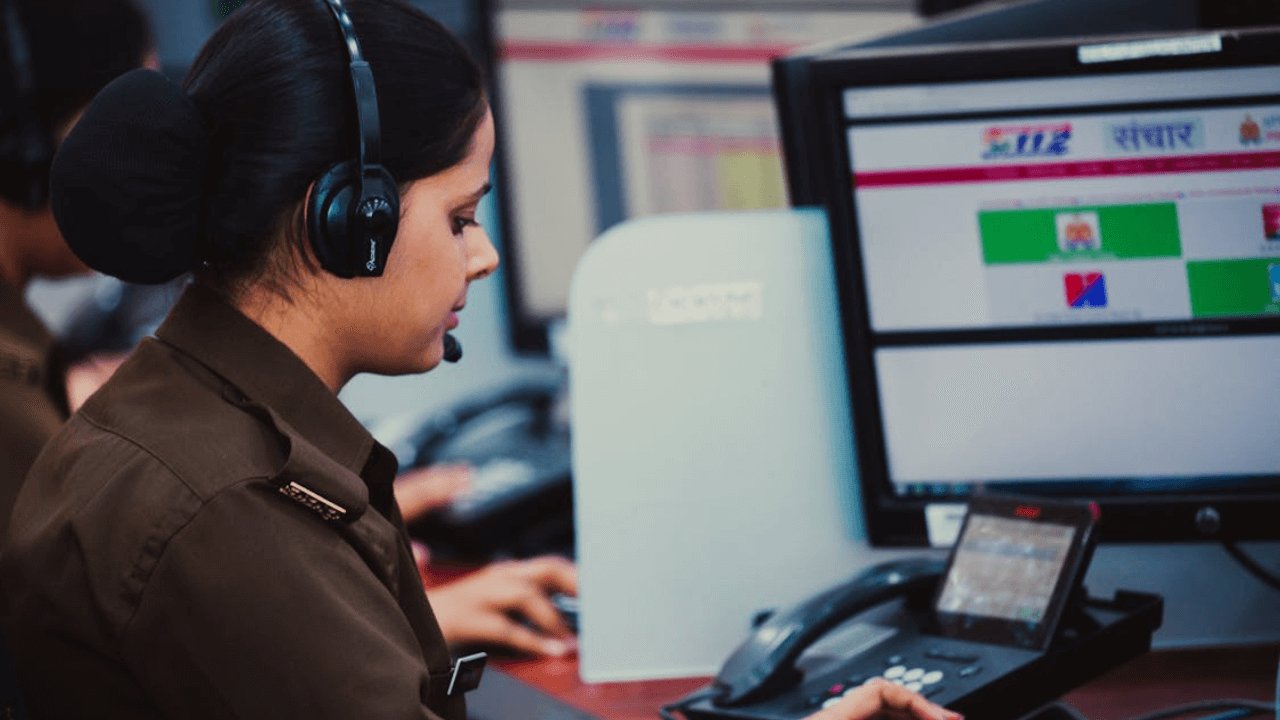
LONDON, UNITED KINGDOM — India’s booming back-office industry, once synonymous with call centers, has transformed into a strategic engine for multinational companies. Still, rising trade barriers and growing backlash against outsourcing could slow its rapid growth.
India’s back offices evolve beyond call centers
Two decades after Tesco opened its Indian back office, the company’s Bengaluru campus has become a “strategic engine” for global operations.
According to Sumit Mitra, CEO of Tesco Business Solutions, No longer limited to IT and finance, the center now handles vendor due diligence, data analytics, and even the design of United Kingdom stores.
Tesco’s journey mirrors the rise of India’s Global Capability Centers (GCCs), offshore units that multinationals from Google to Goldman Sachs now operate. Once seen as cost-saving outsourcing outposts, these centers today contribute to research, development, AI-led automation, and strategic business decisions.
“They provide not just ‘labor arbitrage’ but also ‘intellectual arbitrage’,” Mitra told the BBC in an emailed interview, underscoring India’s value as more than a budget destination.
Industry estimates highlight this shift: more than 1,700 multinationals run GCCs in India, employing two million people and generating US$65 billion annually. Consulting firm EY expects the market to surpass US$100 billion by 2030, growing at a rate of 14% annually.
Outsourcing surge meets geopolitical risks
While India’s talent pool and supportive policies fuel expansion, new challenges loom.
The availability of engineers and AI specialists has made cities like Bengaluru and Noida magnets for firms such as Arctic Wolf’s Dan Schiappa, who explained, “You could hire these people in the United States. But the availability of talent in one location made Bengaluru very attractive for us.”
Yet, the geopolitical climate could disrupt this trajectory. U.S. lawmakers have floated proposals to tax companies outsourcing jobs overseas, with concerns that tariffs could extend to IT and outsourcing.
Lalit Ahuja of ANSR, a firm behind many GCC setups, warned that “disruptive nationalist trends could come in the way” of growth. He added that India’s centers are now “almost second headquarters” for some corporations, shifting the outsourcing narrative from one of cost savings to one of sovereignty and control.
Beyond policy hurdles, infrastructure strains remain stark. A Financial Times report found many Bengaluru centers operating without piped water, relying instead on tanker deliveries.
Despite the challenges, the outsourcing story in India is far from over. As GCCs evolve from cost-saving units into global innovation hubs, the question is whether governments worldwide will embrace or resist the deepening integration of India into their corporate backbones.
Related news
- France accelerates AI adoption with cloud outsourcing shift: ISG · 12 Sep
- U.S. HIRE Act threatens India’s $280Bn IT outsourcing sector · 11 Sep
- Nigeria’s DBI unveils plan to create 100,000 jobs in outsourcing · 11 Sep
Disclosure: Outsource Accelerator uses AI tools in the backend of its editorial workflow. Every article is reviewed and verified by a human editor before publication.
Stay ahead of the outsourcing industry. Join thousands of business leaders who rely on Outsource Accelerator for the news, trends, and expert insights that matter. Subscribe to our free newsletter and never miss an update.








