
AI is making human language sound fake and ‘bot-like,’ critics warn

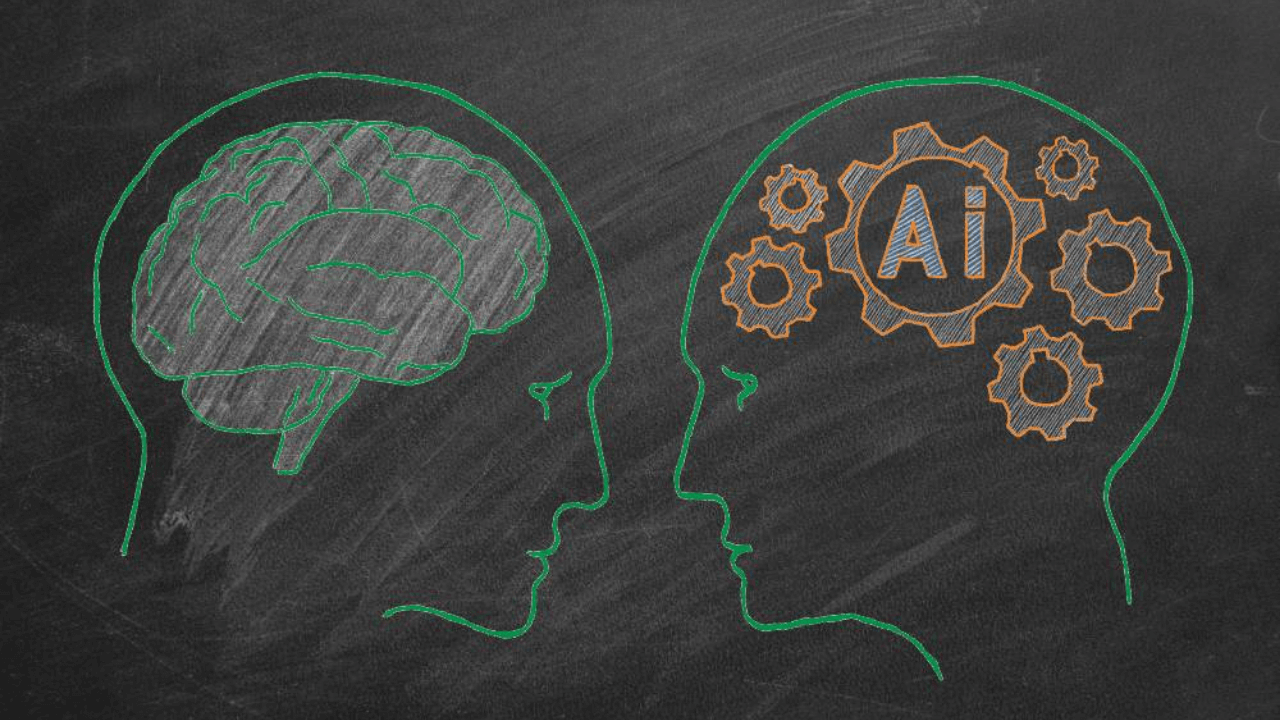
NEW YORK, UNITED STATES — OpenAI Chief Executive Officer (CEO) Sam Altman is raising public concerns over their technology’s unforeseen influence on human communication, noting a creeping homogenization of online language.
AI models are actively reshaping vocabulary and writing styles, leading to a pervasive sense of artificiality in digital discourse, claims Dr. Vaikunthan Rajaratnam, a nerve surgeon and United Nations Educational, Scientific and Cultural Organization (UNESCO) Chair Partner, in a LinkedIn post.
AI reshapes everyday conversations
According to Fortune, Altman recently described the strangeness of reading online discussions, noting that even real conversations now feel “fake” due to participants adopting bot-like language.
He attributed this to a complex mix of factors, including social media algorithms. “Real people have picked up quirks of [large-language-models] LLM-speak, the Extremely Online crowd drifts together in very correlated ways,” states Altman in an X post.
Empirical evidence supports this observation. Hiromu Yakura, a postdoctoral researcher together with other researchers at the Max Planck Institute for Human Development, analyzed millions of texts and audio recordings, finding a marked surge in ChatGPT-associated words, such as “delve” and “explore,” following the tool’s 2022 release.
Levin Brinkmann, a co-author of the study, concluded that the linguistic patterns stored within AI technology are being transmitted back to the human mind, fundamentally altering natural expression.
Efficiency comes at the cost of authenticity
One such trade-off to the efficiency of AI is the loss of personal voice and regional dialect. A University of California-Berkeley study discovered that responses of ChatGPT reinforce dialect discrimination in promoting the Standard American English dialect instead of non-American users, who find this frustrating and alienating.
This standardization compels users to adapt to one AI-favored mode of communication and reduces linguistic diversity.
Dr. Rajaratnam is actively combating this trend by working to reverse engineer ChatGPT to produce a tone and vocabulary aligned with themselves. “Through carefully crafted prompts and iterative refinement, I’ve tuned it to reflect my tone, my vocabulary, my way of thinking,” he notes.
However, he also acknowledges the natural lapses, with the “diminishing authenticity” and the disappearance of regional dialect and individual voice being among the greatest losses.
This leads to one of the most fundamental contradictions: whether to adopt AI as a tool of enhancement or allow it to dominate the uniquely human expression. The goal should be to utilize the efficiency of AI without losing the specificity of the human voice that cannot be replaced, and making sure that technology doesn’t overwrite the human voice but enhances it.
Related news
- AI will replace customer service jobs first, OpenAI CEO predicts · 25 Sep
- Gen Z films workdays for TikTok, sparks safety fears · 12 Sep
- AI adoption soars, yet trust and cost concerns loom: Capgemini study · 12 Sep
Disclosure: Outsource Accelerator uses AI tools in the backend of its editorial workflow. Every article is reviewed and verified by a human editor before publication.
Stay ahead of the outsourcing industry. Join thousands of business leaders who rely on Outsource Accelerator for the news, trends, and expert insights that matter. Subscribe to our free newsletter and never miss an update.








