
BPOs struggle as Windows 10 support ends in October

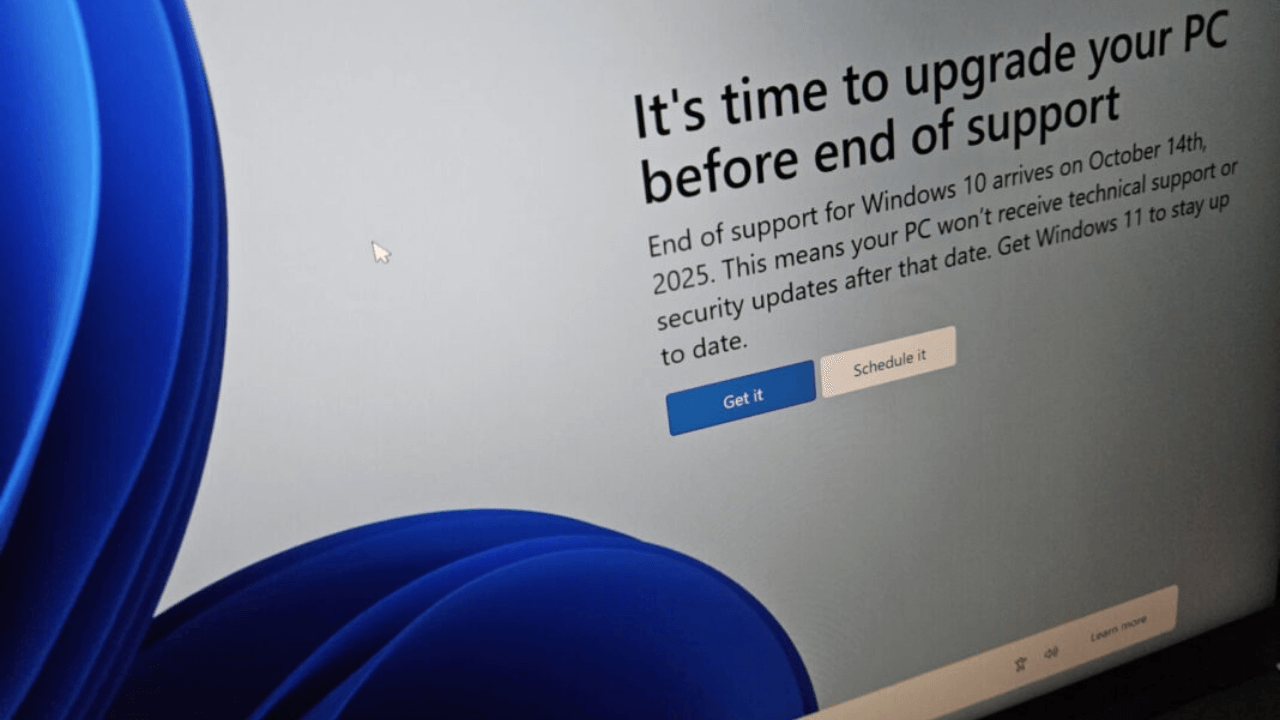
WASHINGTON, UNITED STATES — With Microsoft set to end support for Windows 10 this October, business process outsourcing (BPO) firms across the globe are gearing up for a major technology hurdle.
Nearly half of all personal computers (PCs) are still running the soon-to-be-retired system, putting contact centers that deal with sensitive financial and personal information at greater risk of cyberattacks, compliance issues, and operational setbacks.
Unpatched BPO devices face higher cyber risk
Once Microsoft stops sending security updates to Windows 10, every machine left unpatched becomes an easy target for hackers. For BPOs that run sprawling call center networks, a single breach could spread quickly across hundreds of computers.
The risks are especially high for companies under strict data privacy rules. A breach could mean more than lost client trust, which could bring hefty fines and legal trouble.
Upgrading thousands of machines isn’t simple either. According to a Bizcommunity report, industry guidance says a full shift to Windows 11 can take up to 14 months, a time many firms simply don’t have.
On top of that, supply chain problems are making things worse. Central processing unit (CPU) shortages, shipping delays, and higher costs from tariffs are slowing upgrades and driving expenses higher.
For firms that put off the switch until mid-2025, the approaching deadline now feels like a race against the clock.
Short-term fix: Rentals and extended security updates
To buy some time, some BPOs can turn to hardware rentals like Microsoft Extended Security Updates (ESU). Providers are offering ready-to-use Windows 11 machines on short notice, giving call centers a way to stay compliant without draining their budgets.
The benefits are clear: instead of waiting weeks or months for new devices, firms can get refurbished fleets in just a few days. What would have been a large upfront spend becomes a steady, predictable monthly cost.
This setup also fits the growing trend of subscription-based IT spending and supports sustainability goals by reusing refurbished equipment.
For most outsourcing providers, rentals aren’t the endgame; they are a temporary bridge to keep operations running smoothly and securely until full upgrades are in place.
BPO industry reputation hinges on fast action
The end of Windows 10 support is happening at a moment when clients expect BPOs to be adaptable, resilient, and ahead of the curve in technology. How the industry handles this transition will likely shape client perceptions of their partners’ ability to manage disruption.
BPOs that act quickly to secure compliant systems could come out stronger in a competitive market, while those that stall risk damaging both their reputation and their bottom line.
This shift is about more than an operating system. It’s a test of how ready outsourcing firms are to meet fast-moving challenges in today’s digital world.
Related news
- BPO, ITO market to hit $800Bn by 2031: Market Research Intellect · 24 Sep
- Outsourcing emerges as South Africa’s new economic goldmine · 29 Oct
- Hexaware taps Sri Lanka’s tech talent to power global AI ambitions · 18 Sep
Disclosure: Outsource Accelerator uses AI tools in the backend of its editorial workflow. Every article is reviewed and verified by a human editor before publication.
Stay ahead of the outsourcing industry. Join thousands of business leaders who rely on Outsource Accelerator for the news, trends, and expert insights that matter. Subscribe to our free newsletter and never miss an update.








