
Trump’s $100K H-1B visa fee sparks U.S. healthcare alarm

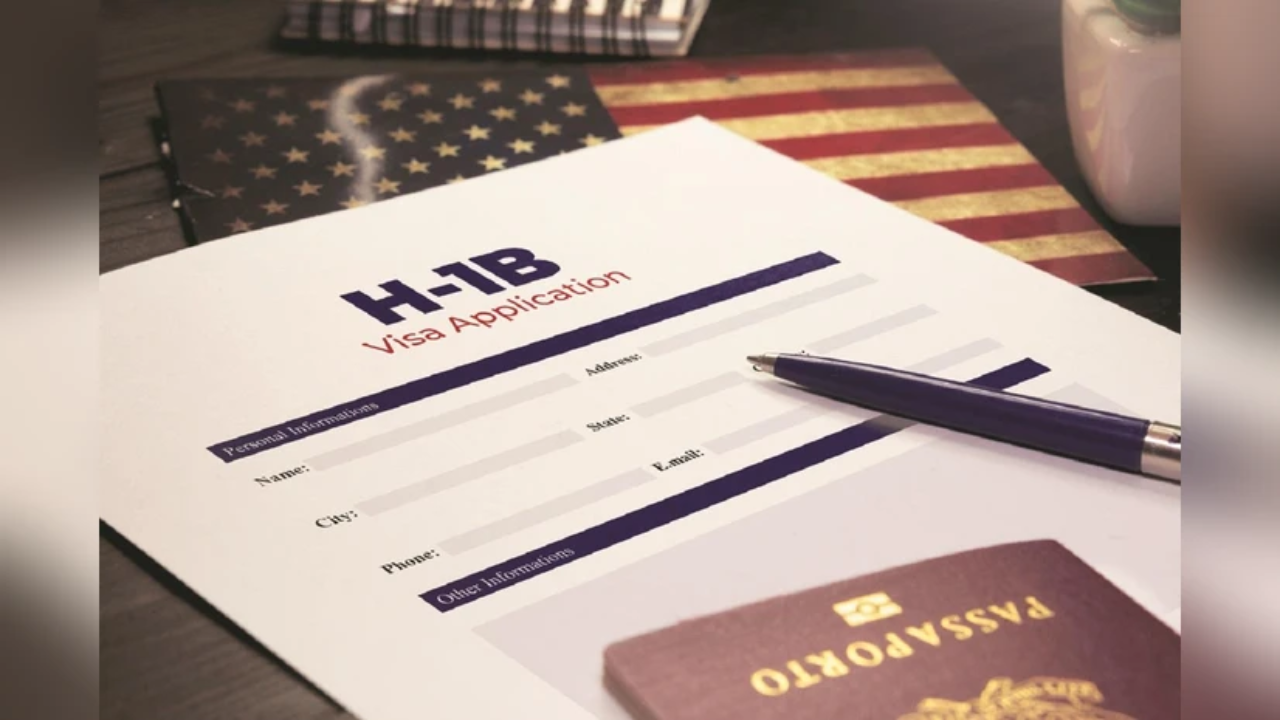
NEW DELHI, INDIA — The Trump administration’s proposal to impose a $100,000 annual fee on H-1B visas is raising alarm in the United States healthcare system, where thousands of international doctors and medical residents play a crucial role in staffing hospitals and clinics.
$100K H-1B fee threatens U.S. medical residency pipeline
Business Standard reports that currently, more than 30% of medical residents in the U.S. are international graduates, with around 10,000 of 43,000 residency spots filled by H-1B visa holders. Hospitals that previously paid under $5,000 in visa-related fees would now face an unprecedented cost to hire or retain foreign medical staff.
Commerce Secretary Howard Lutnick, who announced the policy shift, framed it as a strategy to restrict entry-level placements while preserving pathways for senior talent. “A company that wants to buy an H-1B visa… it’s $100,000 per year,” Lutnick said, explaining that the visas will remain valid for three years, renewable once for a total of six.
The change could hit hospitals especially hard. Many residency positions pay about $55,000 annually, far below the proposed visa fee.
“No longer will you put trainees on an H-1B visa, it’s just not economic anymore,” Lutnick acknowledged. “If you’re going to train people, you’re going to train Americans.”
Critics argue that such a shift could worsen physician shortages at a time when the U.S. healthcare system is already under pressure.
Data from the U.S. Department of Labor show that in 2016, about 10,500 H-1B physician roles were certified nationwide, making up roughly 1.4% of the active U.S. physician workforce.
Policy shift could worsen U.S. physician shortages
The administration maintains that the new fee is intended to prioritize high-value, highly skilled roles. But the practical effect is likely to be a steep decline in applications.
“Remember, these are the same cap, it’s the same visa. There’ll just be less of them issued because they used to be free, and now they cost $100,000,” Lutnick said.
The U.S. issues 65,000 H-1B visas annually, plus an additional 20,000 for applicants with advanced degrees. That quota will remain unchanged, though demand is expected to fall.
Lawmakers and immigration advocates have warned that the policy risks undermining not just healthcare but also America’s innovation pipeline.
Congressman Raja Krishnamoorthi called it “reckless,” while Ajay Bhutoria, a former Biden advisor, cautioned that the fee hike could “crush small businesses and startups” and divert skilled talent to countries like Canada or Europe.
As hospitals, tech firms, and policymakers grapple with the potential fallout, one thing is clear: the $100,000 visa fee marks a seismic shift in the economics of U.S. immigration, with healthcare workers and patients standing to bear the heaviest burden.
Related news
- Canada’s Renfrew County launches remote care program for seniors · 1 Nov
- Trump’s U.S. healthcare proposal sparks cost concerns among experts · 14 Nov
- Cardiologists slam Trump’s $100K visa fee over doctor shortage · 11 Oct
Disclosure: Outsource Accelerator uses AI tools in the backend of its editorial workflow. Every article is reviewed and verified by a human editor before publication.
Stay ahead in healthcare outsourcing. Join thousands of healthcare and business leaders who rely on Outsource Accelerator for the news, trends, and expert insights shaping medical BPO and the future of care delivery. Subscribe to our free newsletter and never miss an update.








