
Philippines IT-BPM set for $42Bn revenue boost by 2026: IBPAP

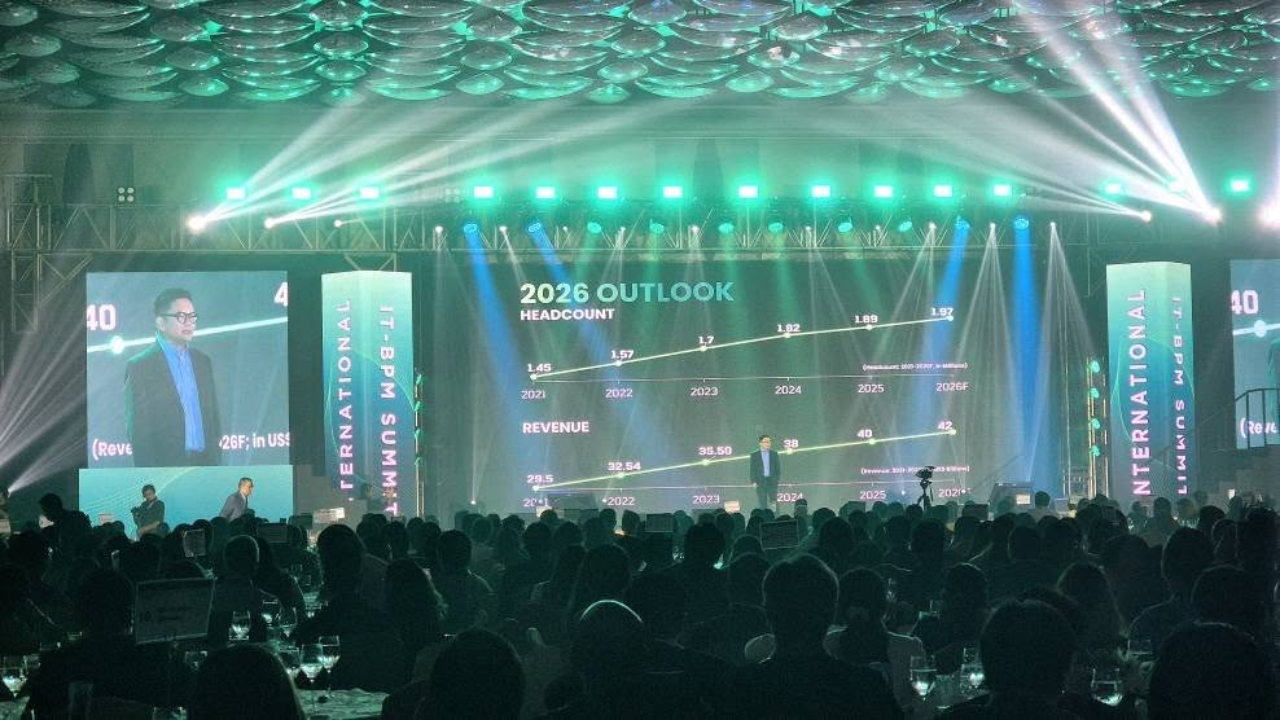
MANILA, PHILIPPINES — At the International IT-BPM Summit (IIS) 2025 in Manila, industry leaders announced that the Philippines’ IT and business process management (IT-BPM) sector is outpacing global growth.
Philippines outpaces global competition
During the IIS 2025, the IT & Business Process Association of the Philippines (IBPAP) reported that the sector is on track to generate $42 billion in revenues by 2026, reinforcing the country’s role as a leading international services hub.
According to a report by Daily Tribune, IBPAP President and CEO Jack Madrid stated that the sector grew by 5 percent this year and continues to be a key driver of the national economy.
He further reported that employment is projected to reach 1.97 million Filipinos by 2026, strengthening the country’s standing in the global outsourcing market,
“We are outpacing global growth, but growth alone will not secure our future. Transformation will,” IBPAP President and CEO Jack Madrid told delegates at the summit.
India remains the Philippines’ closest rival in IT-BPM, with its outsourcing industry contributing 7 percent to GDP in 2024 and expected to rise to 10 percent in 2025, according to Statista.
Madrid stressed the need for the Philippines to move up the value chain, particularly in services delivered through Global Capability Centers (GCCs).
“We can be both: a world-class outsourcing hub and a GCC hub powering enterprise transformation,” he said.
AI adoption marks next frontier
Madrid highlighted artificial intelligence (AI) as a defining opportunity for the industry, though adoption is still in early stages. Only 12 percent of Philippine firms currently report high AI maturity, but nearly half have begun integrating AI into operations. By 2028, more than 70 percent are expected to reach advanced maturity levels.
“Technology alone will not win. Our winning formula is blending AI with Filipino ingenuity, empathy, and trust,” Madrid emphasized.
He also appealed for the establishment of regional IT-BPM clusters outside Metro Manila, a digitally literate and problem-solving-capable manpower force, and greater partnership among government, academia, and business. “The future of IT-BPM is not just our industry’s agenda — it is a national priority,” he said.
AI and GCCs drive outsourcing growth
The Philippines’ IT-BPM success story highlights a larger shift in global outsourcing. Though businesses require efficiency and innovation, AI-driven customer experiences, and GCCs command strategic focus.
The Philippines’ blend of price competitiveness and people-centered service positions it well to benefit. The challenge now is to ensure that transformation keeps pace with growth — a theme echoed across the outsourcing industry worldwide.
The Philippines’ combination of cost competitiveness with human-centered service puts it in pole position. The challenge, then, is to transform at least as quickly as growth — a refrain repeated throughout the industry globally.
Related news
- Concentrix launches framework to fix failed enterprise AI pilots · 26 Sep
- Accenture plans new Andhra Pradesh campus in India, eyes 12,000 jobs · 26 Sep
- Banks boost cloud outsourcing to cut costs, meet new rules: report · 26 Sep
Disclosure: Outsource Accelerator uses AI tools in the backend of its editorial workflow. Every article is reviewed and verified by a human editor before publication.
Stay ahead of the outsourcing industry. Join thousands of business leaders who rely on Outsource Accelerator for the news, trends, and expert insights that matter. Subscribe to our free newsletter and never miss an update.








