
AI redefines construction workforce with human-AI collaboration

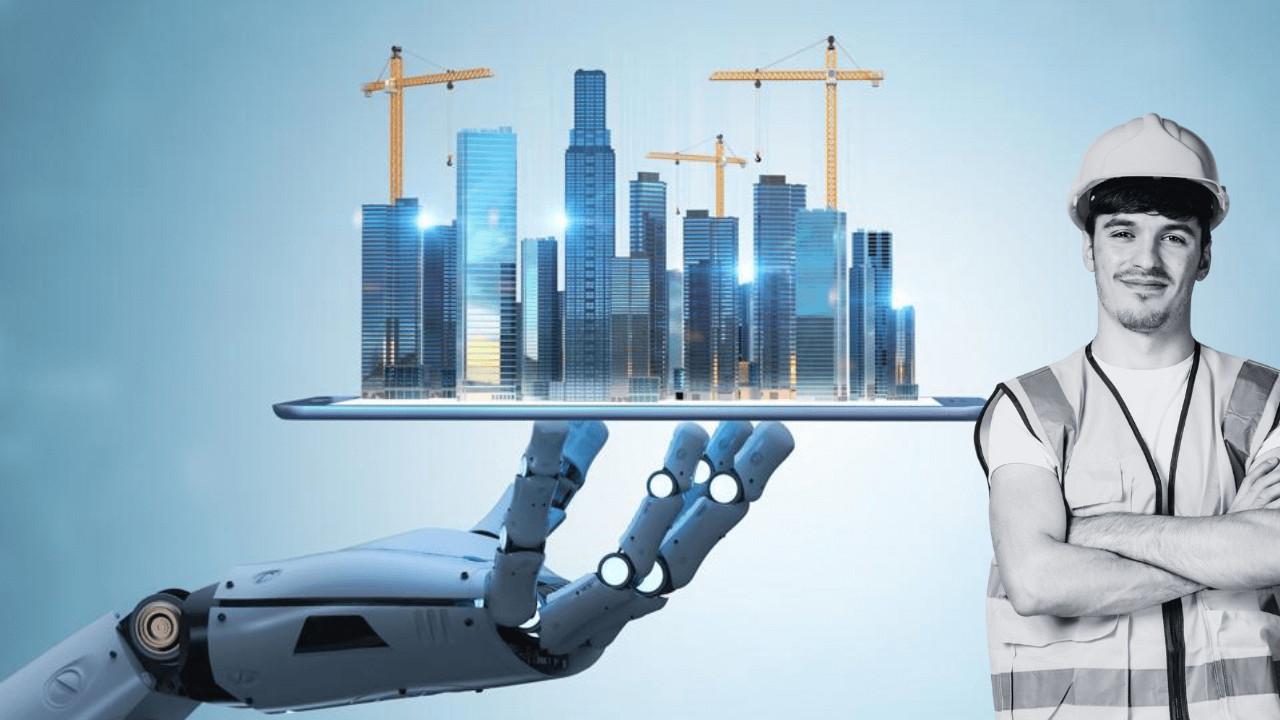
VICTORIA, AUSTRALIA — As the construction industry evolves, artificial intelligence (AI) is reshaping how projects are managed, enhancing workforce productivity and attracting new talent.
Preeya Selvarajah, APAC Senior Product Marketing Manager at construction management software-as-a-service company Procore, writes that while concerns about job displacement persist, the industry is focusing on fostering a human-AI partnership that promises a future-ready workforce and improved operational outcomes.
AI boosts efficiency in construction
According to Inside Construction, project management platforms, drones used for site mapping, and augmented reality used in design visualization are all work-saving tools that used to take days to complete. The tools can save time when used in conjunction with a manual planning process, particularly when automated methods such as resource allocation and schedule creation are employed, allowing project managers to make more informed decisions within a limited timeframe.
For construction firms, efficiency based on AI translates into improved outcomes in their project portfolios. To create optimal schedules in just a few minutes, AI will be capable of analyzing various variables, such as traffic patterns and soil conditions, thereby improving responsiveness.
This type of efficiency enables building teams to solve problems efficiently, resulting in increased productivity and the timely completion of projects.
“For executives, this translates into streamlined workflows, better resource management and stronger project outcomes across the portfolio,” Selvarajah said.
Attracting new generation of talents
AI is also taking a leading role in transforming how the construction industry conducts talent acquisition and retention. The more technologically oriented younger generations are naturally attracted to industries that can be adjusted to the latest technologies.
Construction companies are making themselves dynamic and future-proof places to work by demonstrating their commitment to innovation through the launch of AI-enabled products, including project management programs and augmented reality solutions.
These changes are making the construction industry a more attractive career choice among those graduating and young professionals. Specialized training programs on the development of AI should be introduced, so that the workers do not become the forgotten people during this technological transformation.
Construction companies are also investing in skills that will serve to bridge the gap between traditional skills and AI skills. An example is educating heavy equipment operators about how AI enhances the accuracy of the grading process without compromising the ability to operate it manually.
“By showcasing that AI allows teams to work smarter, organizations can foster engagement, retention, and loyalty. This future-focused approach strengthens construction’s appeal as a sector where employees grow with technology,” Selvarajah noted.
The method not only yields more rewarding roles for employees but also enhances their job satisfaction. Thus, organizations retain their talents as a result of a culture of continuous growth and development.
Selvarajah concludes that, “The human–AI partnership enhances potential on both sides: driving faster delivery, higher quality, and continuous improvement.
“Construction’s future will be defined by how successfully it embraces this collaboration, where technology and human expertise combine to elevate the industry to new heights.”
Related news
- Mapúa pioneers first AI engineering degree amid workforce shift · 8 Oct
- Digital data may predict worker loneliness, study finds · 22 Oct
- Cyprus shifts remote work safety duty to employees in revised bill · 30 Oct
Disclosure: Outsource Accelerator uses AI tools in the backend of its editorial workflow. Every article is reviewed and verified by a human editor before publication.
Stay ahead of the outsourcing industry. Join thousands of business leaders who rely on Outsource Accelerator for the news, trends, and expert insights that matter. Subscribe to our free newsletter and never miss an update.








