
U.S. FDA targets telehealth drug ads with misleading claims

WASHINGTON, UNITED STATES — The U.S. Food and Drug Administration (FDA) has taken action against telehealth companies for allegedly misleading drug advertisements, signaling a broader effort to tighten oversight of online pharmaceutical marketing.
FDA cracks down on online drug promotions
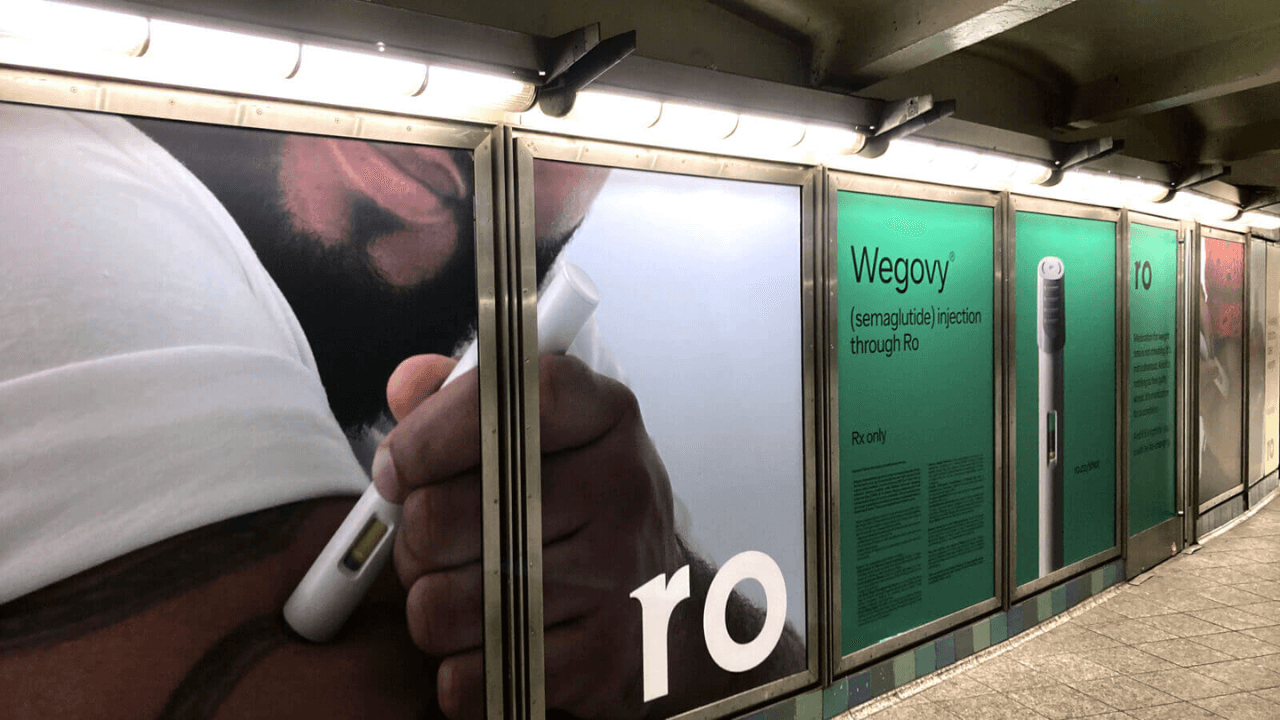
In a move described as part of the Trump administration’s renewed push for “truthful and non-misleading” pharmaceutical advertising, the FDA issued more than 100 warning letters to drugmakers and telehealth companies, including Hims & Hers. The agency cited “false and misleading” claims that some compounded weight-loss medications were equivalent to FDA-approved drugs like Wegovy and Ozempic.
According to a report from The Associated Press, “Your claims imply that your products are the same as an FDA-approved product when they are not,” the agency wrote in its letter. Regulators emphasized that these compounded versions, often produced by specialty pharmacies, are not reviewed or approved by the FDA.
Hims, a San Francisco-based telehealth company known for its virtual healthcare and pharmacy services, responded that it “looks forward to engaging with the FDA.” The company maintained that its “customer-facing materials note that compounded treatments are not approved or evaluated by the FDA,” according to their statement.
This marks the first time the FDA has directly targeted online telehealth platforms, which have long operated outside traditional advertising frameworks. The move also follows earlier scrutiny of a Hims Super Bowl commercial that promoted weight-loss treatments without listing potential risks, a violation of the FDA’s fair balance advertising standards.
Telehealth marketing and compliance challenges
While the FDA action addresses drug promotion, industry observers are cautioning against blurring the issue with telemedicine’s broader role in healthcare provision. Hims & Hers and similar companies not only market drugs but also act as telehealth providers and outsourcing vendors, mitigating physician shortages by providing remote consultations and offshore staffing support.
The uproar points to the fine line between ethically acceptable digital health innovation and fraudulent drug promotion. Experts indicate that while compounded medicines serve a legitimate need during shortages, the FDA has recently determined that GLP-1 drugs, such as Ozempic, no longer meet those standards.
Despite the market crash, Hims’ stock dropped 6.47% when the news broke, but the firm remains a prominent force in the health outsourcing and telehealth industries. Its offerings have proved invaluable in broadening access to care, especially when hospitals and clinics are slowed by staffing limitations.
While the FDA maintains its sting in progress, telehealth firms may be forced to draw more definitive lines between their marketing and healthcare provision businesses so that their growing entanglement in international health outsourcing remains compliant as well as respected.
Related news
- U.S. nursing homes see relief as staffing rule repeals — Fitch Ratings · 4 Oct
- Sydney hospital faces $1.57Mn outsourcing bill amid radiology crisis · 3 Oct
- Ford’s gov’t hiring freeze deepens Ontario home care staffing crisis · 2 Oct
Disclosure: Outsource Accelerator uses AI tools in the backend of its editorial workflow. Every article is reviewed and verified by a human editor before publication.
Stay ahead in healthcare outsourcing. Join thousands of healthcare and business leaders who rely on Outsource Accelerator for the news, trends, and expert insights shaping medical BPO and the future of care delivery. Subscribe to our free newsletter and never miss an update.








