
AI reshapes work by redefining roles, not replacing people: Forbes

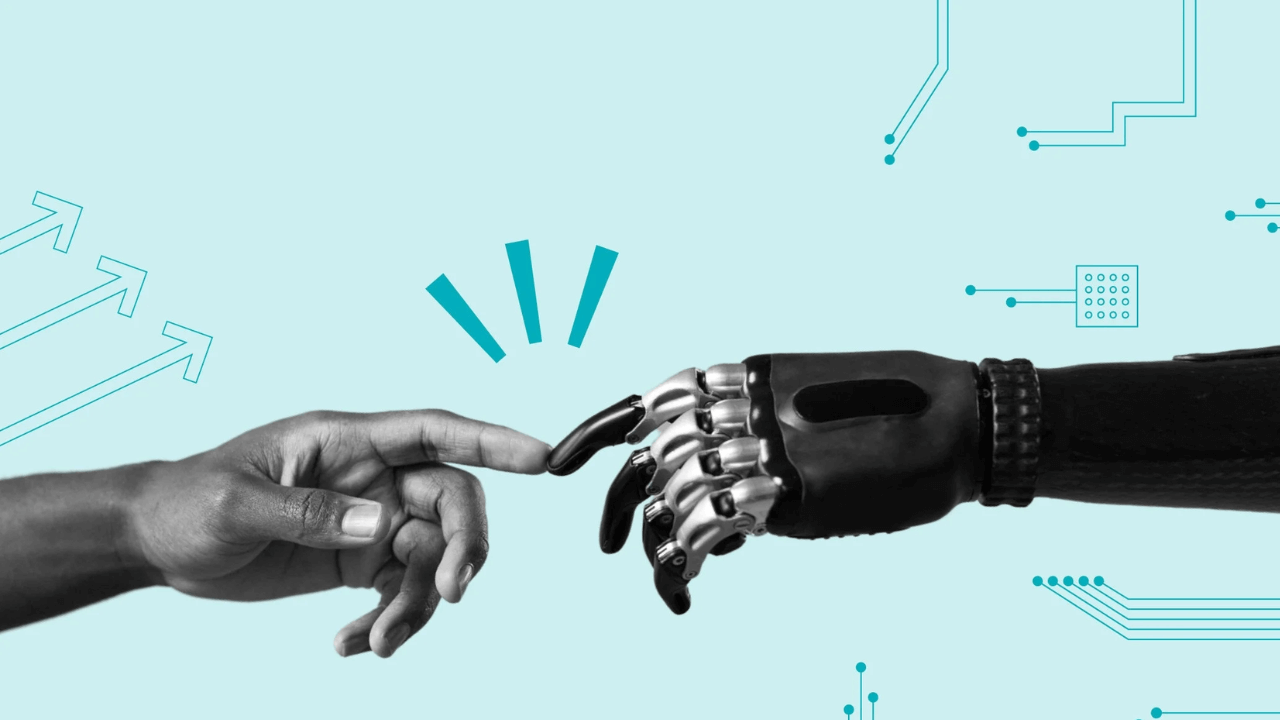
NEW JERSEY, UNITED STATES — The future of work is not about human replacement but a fundamental redivision of labor, where artificial intelligence (AI) manages administrative burdens, freeing human workers to focus on strategic, relationship-driven tasks.
Toni Pisano, a Forbes Council member and Chief Customer Officer, as well as a Board Member at PortPro Technologies, Inc., writes that this shift, already underway in industries like trucking, prioritizes a business dynamic where technology serves people, creating a more efficient and human-centric workplace.
According to Forbes, “I believe the future of work will more closely resemble a business dynamic where AI handles the load and humans lead the relationships,” Pisano stressed.
AI automates admin, cuts costs
The implementation of AI is yielding the most substantial returns in streamlining complex, time-consuming back-office functions. In drainage trucking, for example, dispatching plans can now be produced in seconds, which was a manual and tedious task; however, employees can now focus on addressing exceptions and unexpected issues.
This operational improvement is underscored by a recent MIT study, which found that back-office automation delivered the biggest return on investment (ROI) of all GenAI applications, highlighting its direct financial benefit.
The efficiency gains extend beyond dispatching to critical financial processes, such as invoicing and billing. These tasks may be automated, resulting in a drastic reduction in the number of required staff, as observed by one sizable trucking organization that employed AI technology to reduce its billing managers from 80 to 14.
Pisano notes that in a sector such as trucking, with thin margins, the gains in efficiency provided through AI are especially effective, as they offer the opportunity to control costs and allocate resources without harming the main operations.
Job market shifts with AI integration
The advent of AI creates a mixed employment picture, with some roles being more directly impacted than others. One study indicates that jobs such as sales reps, customer service reps, and technical writers are expected to be most affected by AI, while roles like industrial truck and tractor operators are among the least affected.
This creates a clear divide in how different segments of the workforce will interact with the technology, a fact further illustrated by a Gallup survey showing that 27% of white-collar workers use AI frequently, compared to just 9% of front-line workers.
Pisano highlights that this technological change is consistent with historical indicators, where automation did not completely lead to the removal of human workers, but rather shifted their demand.
When the ATM was introduced, for example, it did not result in the mass destruction of bank teller positions; on the contrary, the expansion of the bank’s branches and additional strategic work by the tellers took place.
Likewise, as AI takes over some jobs, there will likely be a shift in jobs, with new skills required and new opportunities to be utilized in work that is more satisfying and relationship-based, leveraging the human strengths inherent to humans.
Human-AI balance demands ethical strategy
The cornerstone of effective AI integration is a clear execution plan that prioritizes people. One company’s belief, “AI is a tool, and people are the mission,” encapsulates this approach, stating that the purpose of AI should be to take away repetitive or error-prone work to serve people, not replace their worth.
Its success must not only be gauged by ROI but also by metrics such as the rates of adoption of AI skills and the introduction of new careers, ensuring that the technology is used as a catalyst to facilitate employee development.
Crucially, this strategy must be validated by continuous testing and real feedback from the employees who use the tools daily.
Whether the load is indeed off and freeing the humans to take up the relationships is the main question that should always be in place.
A “no” would mean that the implementation needs to be revised, whereas a “yes” would mean that the business is going in the right direction by making technology a servant of people, rather than vice versa.
“As AI reshapes the world of work, it’s up to us to take the steering wheel by making sure technology serves people, not the other way around,” Pisano concludes.
Related news
- Former Cisco CEO predicts AI to trigger corporate extinction event · 14 Oct
- Google Cloud CEO dispels AI job loss fears · 15 Oct
- AI will boost entry-level jobs globally, Cognizant CEO says · 29 Oct
Disclosure: Outsource Accelerator uses AI tools in the backend of its editorial workflow. Every article is reviewed and verified by a human editor before publication.
Stay ahead of the outsourcing industry. Join thousands of business leaders who rely on Outsource Accelerator for the news, trends, and expert insights that matter. Subscribe to our free newsletter and never miss an update.








