
Trump’s push to curb drug ads hits legal, staffing roadblocks

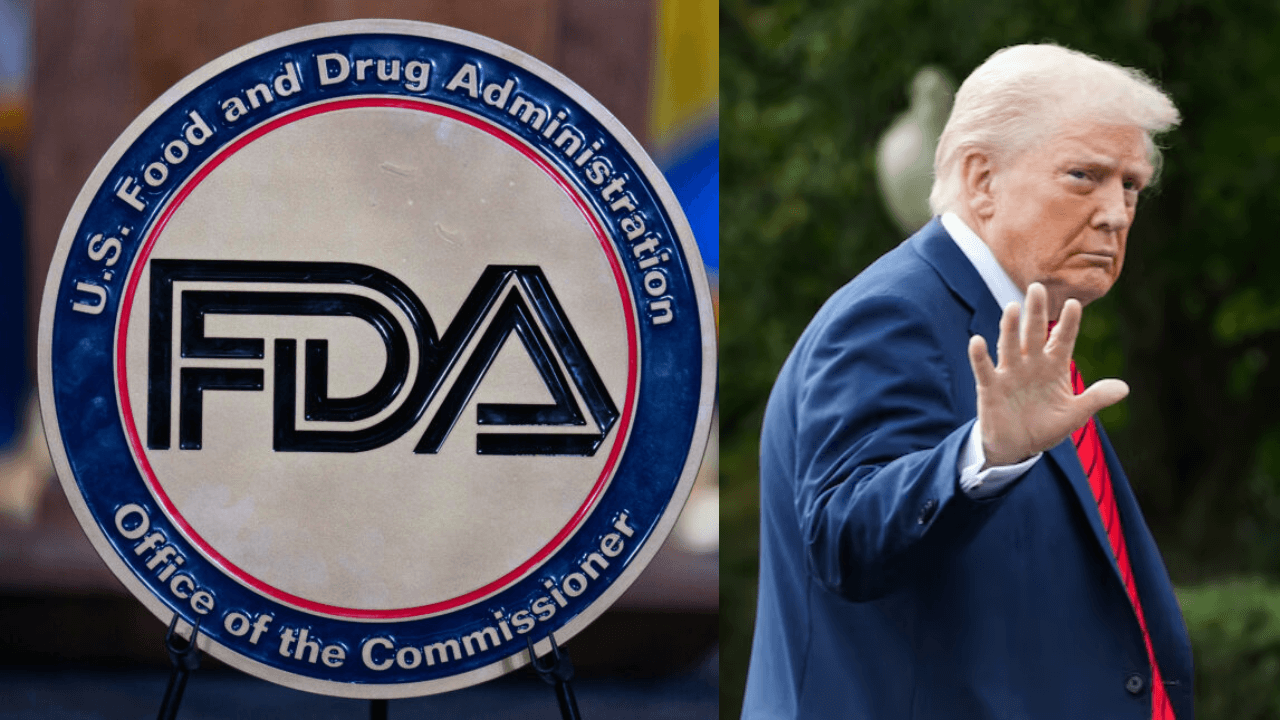
WASHINGTON, UNITED STATES — United States President Donald Trump’s renewed push to rein in deceptive pharmaceutical advertising is stirring debate across the healthcare and business sectors, as regulatory, legal, and workforce challenges threaten to blunt the administration’s ambitious crackdown.
FDA battles legal limits and budget cuts
The directive, signed by Trump, instructs the United States Food and Drug Administration (FDA) and other agencies to enforce greater “transparency and accuracy” in prescription drug ads across television and social media. United States Health Secretary Robert Kennedy Jr. vowed that the administration would take on misleading campaigns that “undermine public trust in medicine.”
According to a report from The Associated Press, However, the FDA’s capacity to execute the plan is in question. Years of court battles have weakened its authority to police drug promotions, while staff layoffs have reduced its enforcement muscle. Recent layoffs within the Trump administration have reduced staffing levels at the FDA’s drug advertising division, the unit responsible for issuing warning letters.
The FDA announced that it had issued thousands of warnings to drugmakers, but critics observed that the letters were generic and lacked the legal weight of traditional notices. As the report explained, the new letters “instructed [drugmakers] to bring all promotional communications into compliance,” a departure from standard procedures that typically cite specific violations.
This evolution speaks to resource constraints, as well as to broader marketing control outsourcing to third-party compliance experts—a trajectory that is picking up steam within the pharmaceutical marketplace. Agencies with scarce FDA inspectors to deploy then rely on outsourced monitoring teams to spot fraudulent campaigns before regulators take action. The outsourcing that has ensued has given rise to new streams of revenue, such as regulatory consulting and online ad verification, but challenges uniformity and accountability.
Social media and telehealth oversight gaps
Beyond traditional ads, the FDA is struggling to keep pace with the digital landscape, where pharmaceutical promotions are increasingly filtered through influencers and telehealth startups. FDA Commissioner Marty Makary said the agency would take a “more aggressive” stance on policing social media promotions, though its authority is limited to drug companies, not individual influencers.
This gray area has also spurred the rise of outsourced compliance roles in marketing and telehealth operations. Many of these firms, often based offshore, handle digital ad placement and content moderation for pharmaceutical brands. Their involvement underscores how globalization and outsourcing have reshaped the healthcare marketing ecosystem, extending regulatory challenges beyond the United States‘ borders.
Meanwhile, industry groups maintain that their ads benefit patients. “Truthful and nonmisleading DTC advertising is protected under the First Amendment and has documented evidence of advancing patient awareness and engagement,” PhRMA said in a statement.
But as Trump’s plan confronts legal, administrative, and structural hurdles, it remains uncertain whether this crackdown will deliver real reform or simply outsource the problem to another corner of the global health industry.
Related news
- Weak oversight of UK’s NHS remote monitoring tools flagged by HSJ · 21 Nov
- U.S. Republicans eye to replace ACA with health savings accounts · 26 Nov
- Health experts push to close digital mental health gaps for youth · 10 Dec
Disclosure: Outsource Accelerator uses AI tools in the backend of its editorial workflow. Every article is reviewed and verified by a human editor before publication.
Stay ahead in healthcare outsourcing. Join thousands of healthcare and business leaders who rely on Outsource Accelerator for the news, trends, and expert insights shaping medical BPO and the future of care delivery. Subscribe to our free newsletter and never miss an update.








