
Telehealth improves glycemic control in youth with T1D, study finds

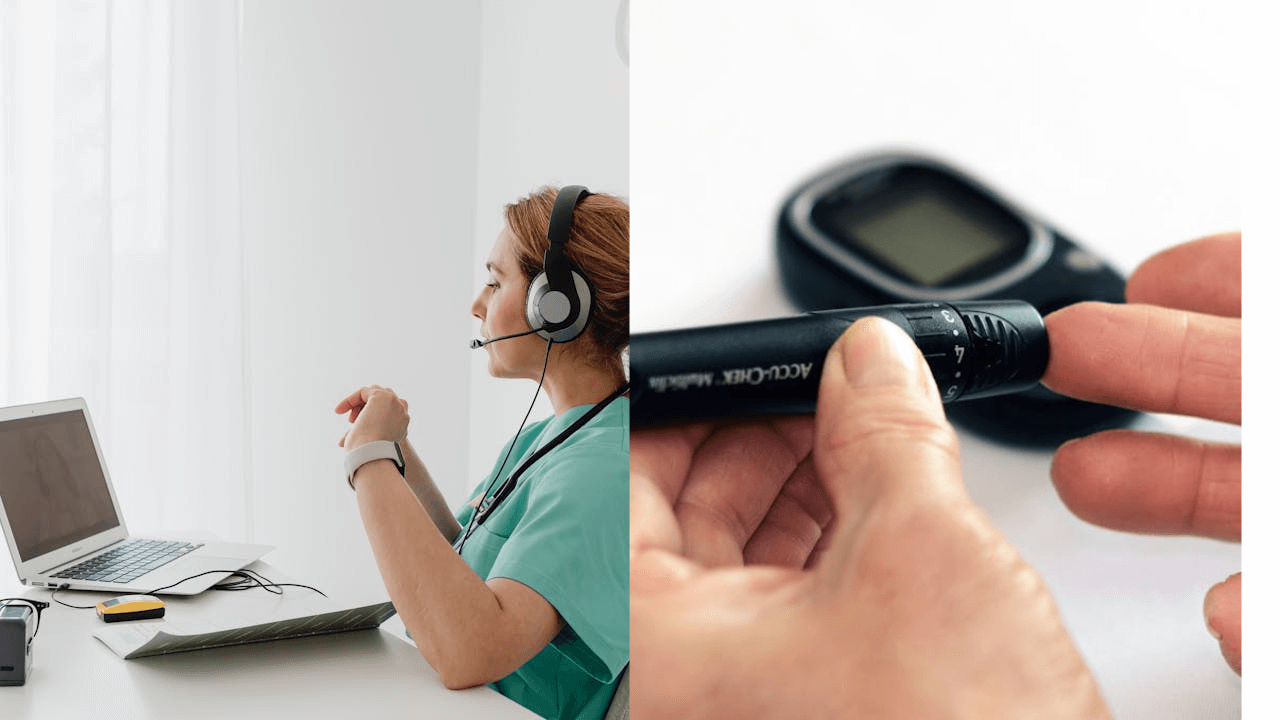
MARYLAND, UNITED STATES — A new study has found that consistent telehealth follow-ups combining teleconsultation, tele-education, and digital data support can significantly improve blood sugar management among children and adolescents with type 1 diabetes (T1D).
Regular digital follow-ups make a difference
HCP Live reports that the randomized controlled study, led by Dr. Asma Deeb of Sheikh Shakhbout Medical City, explored how intensive, structured telehealth interventions could enhance glycemic control for young patients using continuous glucose monitoring (CGM).
“We hypothesized that augmenting CGM with intensive follow-up with a structured telehealth intervention that integrates teleconsultation, tele-education, and digital data support (online CGM analysis) might improve diabetes control,” Deeb and her team wrote.
The 28-week trial involved 105 participants aged 18 and below, all of whom were managing diabetes with multiple daily insulin injections. The patients were divided into two groups, one receiving intensive telehealth care for 12 weeks and another under standard clinical care. The results showed that the group receiving telehealth support experienced notable improvements in HbA1c levels (-0.29%) and increased time-in-range glucose (6.2%), both critical indicators of better diabetes control.
“The intervention shifted the HbA1c and TIR distribution in the right direction to address the challenge of achieving glycemic control in children and adolescents,” the researchers noted.
A step toward digital and outsourced healthcare
Apart from its medical implications, the research study shows that the merging of healthcare and digital outsourcing is a trend reshaping the management of chronic conditions globally. The achievement of the program depended on certified diabetes educators who held weekly 20-minute teleconsultations, giving personalized support, troubleshooting device problems and remotely changing insulin strategies.
This arrangement is similar to the outsourcing model that is becoming increasingly popular in the healthcare sector, where the telehealth specialists, who sometimes work outside the hospital or even overseas, provide reliable and cheap support for patients. Such hybrid systems in a sector stricken with shortage of skilled workers and cost increments give hospitals the possibility of transferring patient education and monitoring duties to the outsourced professionals while holding the clinical supervision.
The global growth of telemedicine attracts attention to the fact that outsourced remote healthcare can make specialized care available to young patients globally. The method not only covers the lack of care but also matches the development of the digital health ecosystem that is already integrating remote expertise, cloud monitoring, and real-time data feedback.
“Our study therefore has important implications for the way in which children and adolescents on [continuous glucose monitoring] should be followed up in routine practice,” Deeb concluded.
Related news
- Australia, New Zealand push ahead with digital health upgrades · 13 Sep
- Avera Health expands virtual nursing to boost rural hospital staffing · 30 Aug
- AI, telehealth transforming healthcare staffing, says Omega Healthcare · 3 May
Disclosure: Outsource Accelerator uses AI tools in the backend of its editorial workflow. Every article is reviewed and verified by a human editor before publication.
Stay ahead in healthcare outsourcing. Join thousands of healthcare and business leaders who rely on Outsource Accelerator for the news, trends, and expert insights shaping medical BPO and the future of care delivery. Subscribe to our free newsletter and never miss an update.








