
Rural telehealth needs innovation beyond technology, experts say

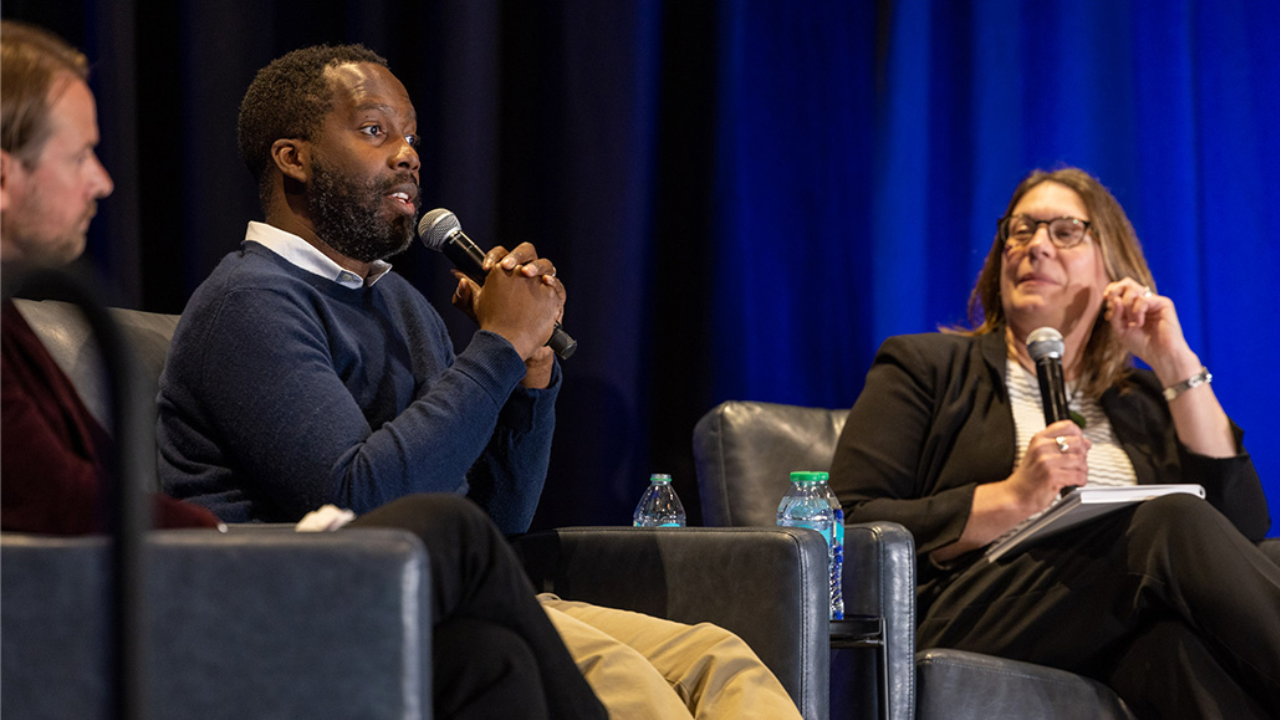
SOUTH DAKOTA, UNITED STATES — At the fourth annual Summit on the Future of Rural Health Care, experts emphasized that bridging the rural healthcare gap requires more than just telehealth platforms; it needs a stronger ecosystem of training, infrastructure, and human support.
The message says that technology is only part of the solution to rural America’s persistent health inequities.
Beyond broadband: Humanizing the rural care model
According to a report from South Dakota Searchlight, while telehealth has expanded access to care for remote communities, experts at the Fourth Annual Summit on the Future of Rural Health Care warned that the real challenge lies in how it’s being used.
“It’s not the technology; the technology can fix this problem. It’s rather how we’re deploying it right now in the United States,” said Ateev Mehrotra, a physician and professor at Brown University School of Public Health.
Mehrotra noted that urban patients use telehealth more often than their rural counterparts, even though the service was initially designed for rural populations.
The problem, he said, is a mix of access, awareness, and system design—with some rural residents still relying on rotary phones or struggling with spotty connectivity.
Dr. Dave Newman, Sanford’s chief medical officer for virtual care, added that effective telehealth isn’t about high-tech tools but meeting patients where they’re at.
His team operates a virtual care hub with more than 75 specialties, supported by local “spokes”—smaller clinics that can handle basic tests before connecting patients to distant specialists.
“We consider ourselves a hub and we support multiple different spokes,” Newman said, describing a model that blends digital efficiency with local presence.
Training and outsourcing redefine rural health jobs
Beyond technology, experts urged new investment in human capital and cross-state collaboration.
Nworah Ayogu, a physician and health tech investor, underscored the importance of training residents and providers alike: “How do we have both the tools and the training to tell you how to use them so that the care can start even before the ambulance gets there?”
This growing reliance on virtual care also hints at a new outsourcing dynamic in the health industry—one where remote nurses, telehealth coordinators, and virtual specialists can provide care support from anywhere.
Systems like Avera Health’s virtual nursing program are reshaping workforce models by connecting nurses to hospital rooms via screens and AI-assisted tools, supported by a federal grant.
These models align with the outsourcing landscape, which distributes skilled labor across regions to effectively address service gaps.
Meanwhile, the $50 billion Rural Health Transformation Program promises to bolster rural care infrastructure. However, experts like Rick Pollack of the American Hospital Association cautioned that it’s a “modest” investment compared to the trillion-dollar shortfall hospitals face nationwide.
For now, the consensus among summit speakers was that telehealth’s future depends on a balance—one where technology complements, not replaces, human care.
Related news
- AMA: U.S. healthcare crisis worsens amid cuts, visa delays, AI denials · 15 Jul
- Rural U.S. healthcare struggles with tech updates as budgets tighten · 1 Mar
- Sanford opens virtual care center, aids rural healthcare access in U.S. · 5 Dec 2024
Disclosure: Outsource Accelerator uses AI tools in the backend of its editorial workflow. Every article is reviewed and verified by a human editor before publication.
Stay ahead in healthcare outsourcing. Join thousands of healthcare and business leaders who rely on Outsource Accelerator for the news, trends, and expert insights shaping medical BPO and the future of care delivery. Subscribe to our free newsletter and never miss an update.








