
Telehealth improves sleep therapy for children with autism: study

AMSTERDAM, NETHERLANDS — A new meta-analysis published in ScienceDirect reveals that digital and telehealth-based behavioral sleep interventions are helping children and adolescents with Autism Spectrum Disorder (ASD) sleep better—signaling a turning point for both healthcare and outsourced teletherapy services.
Digital care expands autism sleep support access
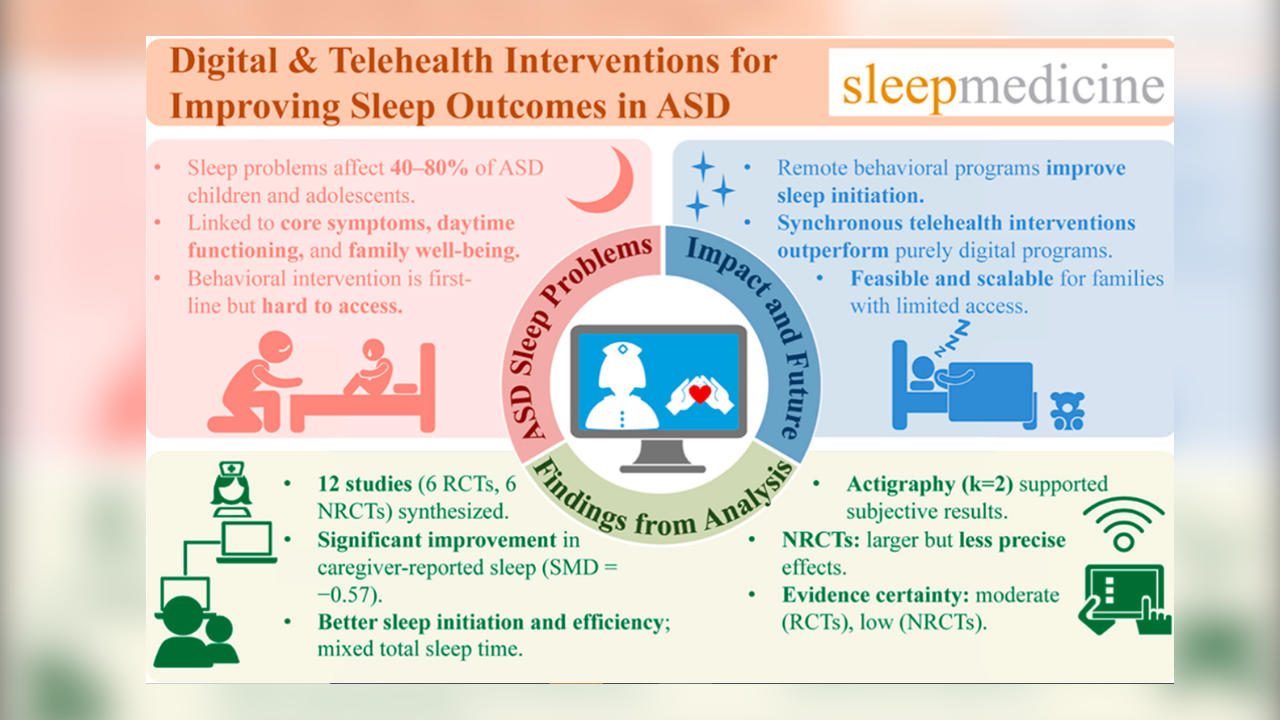
Sleep problems are one of the most common challenges among children with ASD, affecting their core symptoms, daytime functioning, and even family well-being.
But despite behavioral interventions being the first line of treatment, access has long been limited due to geography, cost, and lack of trained specialists.
The new study, a systematic review and meta-analysis following PRISMA guidelines, examined 12 studies, including six randomized controlled trials (RCTs) and six non-randomized studies, covering 406 participants aged 2 to 18 years.
Researchers found that digital and telehealth sleep programs significantly improved parent-reported sleep outcomes among autistic youth.
“Digital and telehealth interventions significantly improved parent-reported sleep problems compared with controls, reflecting a small-to-moderate benefit,” the study reported.
The greatest gains were seen in reducing sleep-onset delay —the time it takes a child to fall asleep.
These findings highlight how virtual platforms are becoming a reliable alternative for behavioral therapy delivery, helping families who struggle to access in-person services.
Virtual therapy mirrors global healthcare outsourcing shift
The growing reliance on telehealth reflects a broader shift toward digital outsourcing in global healthcare. Much like how companies outsource business processes to remote teams, hospitals and therapy providers are now “outsourcing care delivery” to digital systems and telehealth specialists.
By leveraging online consultations, remote monitoring, and app-based behavioral programs, healthcare systems can expand their reach without physical infrastructure.
The study noted that “digital and telehealth delivery models offer a promising approach to increase accessibility,” reinforcing the idea that healthcare, much like other industries, is embracing scalable outsourcing models to fill gaps in workforce and accessibility.
While the research concluded that “evidence from randomized trials supports that digital and telehealth-delivered behavioral sleep interventions can yield small-to-moderate improvements,” it also urged the need for more standardized frameworks and longer follow-ups to validate long-term outcomes.
As telehealth continues to evolve, it not only promises better sleep for children with autism but also marks the rise of a new outsourcing frontier where technology bridges the gap between need and care.
Related news
- Telehealth, licensing compacts boost PTSD care access — U.S. study · 24 Oct
- Telehealth improves glycemic control in youth with T1D, study finds · 16 Oct
- Australia, New Zealand push ahead with digital health upgrades · 13 Sep
Disclosure: Outsource Accelerator uses AI tools in the backend of its editorial workflow. Every article is reviewed and verified by a human editor before publication.
Stay ahead in healthcare outsourcing. Join thousands of healthcare and business leaders who rely on Outsource Accelerator for the news, trends, and expert insights shaping medical BPO and the future of care delivery. Subscribe to our free newsletter and never miss an update.








