
Remote work key to workplace safety compliance, labor lawyer says

MANILA, PHILIPPINES — A labor lawyer says remote work is emerging as a critical tool for workplace safety compliance, following the Philippine Department of Labor and Employment’s (DOLE) suspension of two Cebu-based BPO firms that lacked a disaster preparedness plan.
The case, triggered by a 6.9-magnitude earthquake, underscores how flexible work arrangements can help employers meet their legal obligations under occupational safety laws, especially during emergencies.
Employers face heightened safety duties during disasters
According to a report from the Human Resources Director, following the Cebu quake last month, DOLE inspectors found that the affected BPO company had no emergency and disaster preparedness plan in its Occupational Safety and Health (OSH) program, prompting a cease-and-desist order.
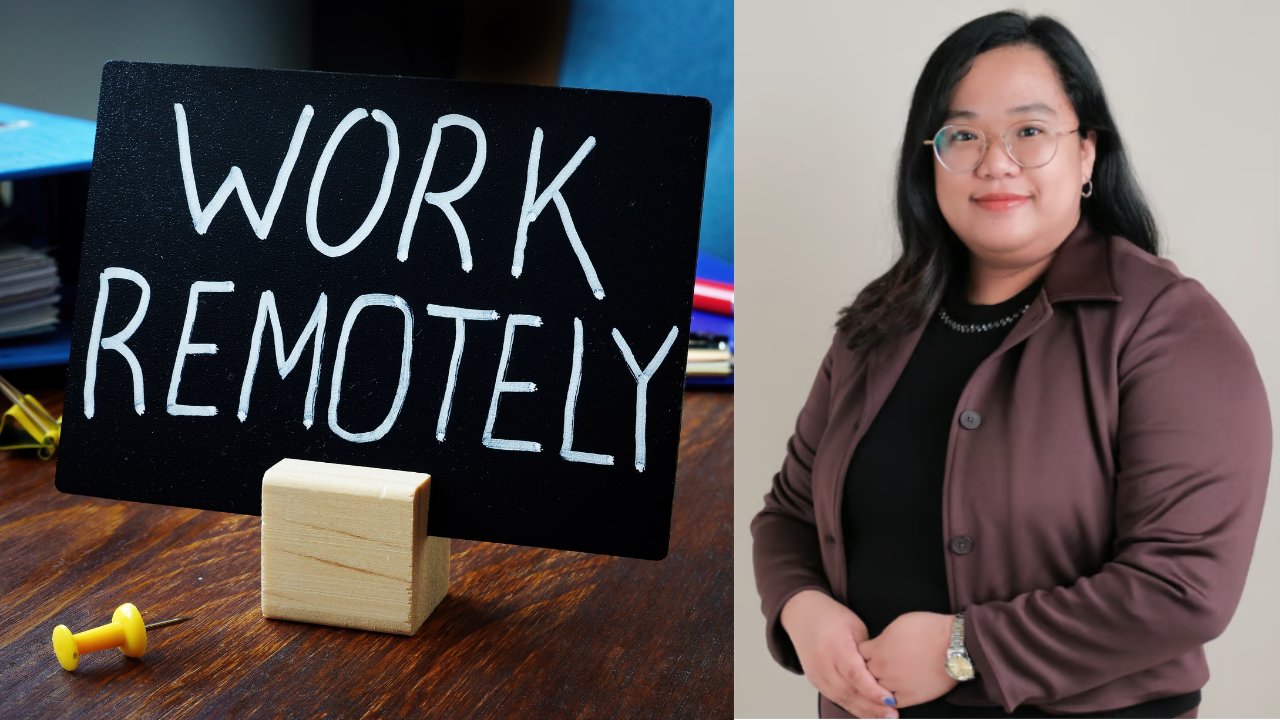
For Reinaur Aluning, co-founder of Powerhouse Legal, the case underscores a deeper lesson for employers: safety obligations don’t pause during crises—they heighten.
“That case really highlights how an employer’s duty to protect workers doesn’t stop when a storm hits or power goes out. It actually becomes more critical,” Aluning said.
“Especially for 24/7 industries like BPOs, safety planning must be part of daily operations, not an afterthought,” Aluning added.
Under the OSH Law, companies must already have an emergency and disaster preparedness program. Aluning explains, “So if you don’t have one, you’re already noncompliant.”
She concluded that DOLE’s enforcement sends a clear message: “Business continuity can’t come at the expense of basic human safety.”
Remote work emerges as key compliance strategy
As DOLE encouraged flexible work arrangements during the Cebu firm’s suspension, Aluning emphasized that remote work can directly support legal compliance.
“Remote work can actually enhance compliance,” she said. “If we allow people to work safely from home during a disaster or pandemic, you’re preventing exposure to risks that fall under OSH, such as unsafe travel or poor air quality.”
Under the Telecommuting Law (Republic Act No. 11165), remote work is legally recognized as long as it provides equal rights and benefits.
To make it enforceable during crises, Aluning recommends that companies include clauses covering telecommuting, force majeure activation, and equipment reimbursement.
“Employers who wait until disaster strikes find themselves without clear legal frameworks to support rapid transitions,” she said.
Remote work redefines outsourcing resilience and continuity
The Cebu case serves as a crucial reminder for the global outsourcing industry, especially in countries like the Philippines, where BPO operations operate around the clock and employ millions of people.
As natural disasters and public health crises increasingly disrupt operations, remote work is evolving from an optional benefit into a legal compliance standard.
This development could reshape outsourcing contracts worldwide, prompting firms to formalize remote-ready, disaster-resilient systems.
In essence, the next competitive edge in outsourcing may not just be cost or speed—but compliance, safety, and resilience anchored in the legal recognition of remote work.
Related news
- Express International invests $201k in staff training, certification · 22 Jul
- Philippine BPO leaders clash over worker rights amid climate crisis · 21 Nov 2024
- Outsourcing emerges as South Africa’s new economic goldmine · 29 Oct
Disclosure: Outsource Accelerator uses AI tools in the backend of its editorial workflow. Every article is reviewed and verified by a human editor before publication.
Stay ahead of the outsourcing industry. Join thousands of business leaders who rely on Outsource Accelerator for the news, trends, and expert insights that matter. Subscribe to our free newsletter and never miss an update.








