
JPMorgan Chase, Goldman Sachs turn to AI, scale back hiring

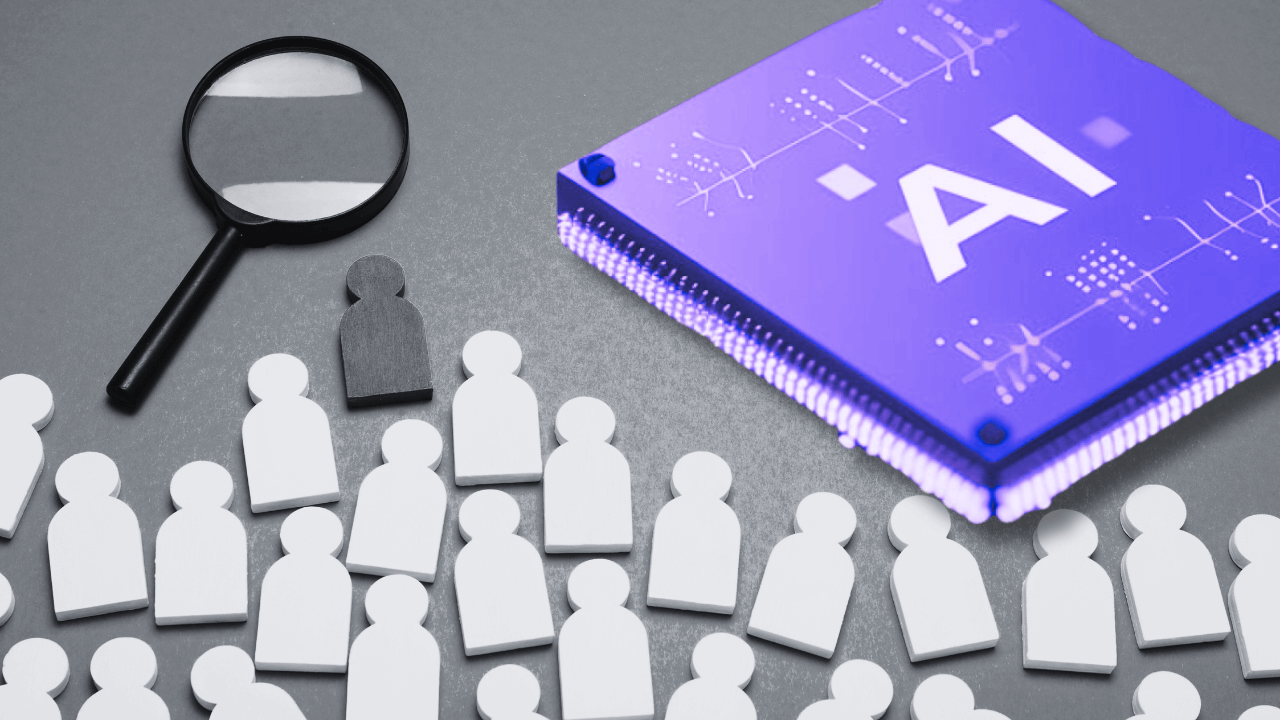
NEW YORK, UNITED STATES — JPMorgan Chase and Goldman Sachs are fundamentally reorganizing their operations around artificial intelligence (AI), even as they face hiring constraints despite blockbuster profits.
This strategic pivot toward AI-driven efficiency represents a significant shift in how financial giants approach workforce planning and productivity in the new technological era.
From hiring freezes to AI-powered growth
CNBC reports that Wall Street banks, such as JPMorgan Chase and Goldman Sachs, are actively deploying AI to achieve mass production of knowledge work, thereby fundamentally changing their operational DNA.
JPMorgan Chase has instructed managers to avoid hiring people as it injects AI into every client experience, employee process, and backend operation, reflecting a “very strong bias against having the reflexive response to any given need to be to hire more people,” Jeremy Barnum, Chief Financial Officer at JPMorgan Chase, told analysts.
This strategic direction comes even as the bank posted a 12% profit jump to $14.4 billion, with headcount growing by only 1%, demonstrating a deliberate decoupling of performance from traditional workforce expansion.
Similarly, Goldman Sachs Chief Executive Officer (CEO) David Solomon has announced a comprehensive reorganization around AI. “To fully benefit from the promise of AI, we need greater speed and agility in all facets of our operations,” he notes in a memo to employees.
The initiative involves taking a “front-to-back view” of how the bank organizes people, makes decisions, and approaches productivity, with Solomon explicitly linking this transformation to constraining headcount growth.
Both institutions frame this shift as essential for long-term competitiveness, with Goldman noting the multi-year project aims to improve client experiences, profitability, and productivity while enriching employee experiences.
AI reshapes the banking workforce
The AI-driven restructuring is directly impacting hiring practices and job security across the banking sector, even during periods of exceptional financial performance.
“There will be jobs that eliminate, but you’re better off being way ahead of the curve and retraining people. So we retrain and redeploy a lot of people,” JPMorgan’s CEO, Jamie Dimon, said in an interview on Bloomberg TV.
The greatest effect will be felt in operational positions, and one of JPMorgan’s executives has estimated that the number of operations and support employees will decrease by at least 10% over a five-year timeframe, even as the business expands, noting the potential of AI to automate back- and middle-office jobs.
This strategy reflects trends in the technology industry, where companies such as Amazon and Microsoft also train their employees in anticipation of AI-related disruptions, such as workforce freezes and layoffs.
Solomon admitted that these changes can be uncomfortable for employees, but presented them as necessary, in line with the anticipated dynamism expected by shareholders, customers, and employees.
The brash evaluation of AI by the banking industry regarding worker implications underscores the broader acceptance that knowledge workers will become victims of technological change in the workplace, which will result in a shift in the balance between human capital and the algorithmic efficiency of financial institutions.
Related news
- Trump axes historic Equal Employment Protection order · 28 Jan
- Goldman Sachs launches AI assistant for employees · 25 Jan
- AI job threat may hit millennials hardest: Chadix survey · 23 Jan
Disclosure: Outsource Accelerator uses AI tools in the backend of its editorial workflow. Every article is reviewed and verified by a human editor before publication.
Stay ahead of the outsourcing industry. Join thousands of business leaders who rely on Outsource Accelerator for the news, trends, and expert insights that matter. Subscribe to our free newsletter and never miss an update.








