
Philippines pushes new bill to protect BPO employees

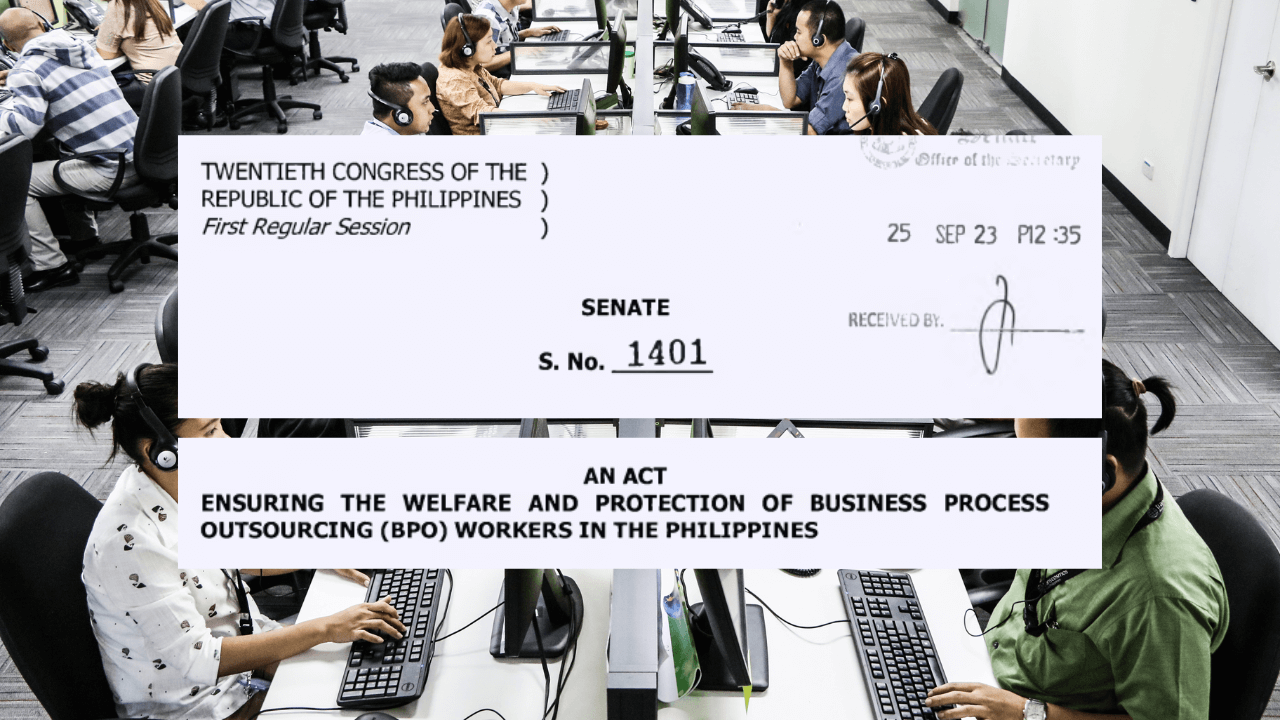
MANILA, PHILIPPINES — The Philippine government is moving to bolster protections for its business process outsourcing (BPO) workforce, with Philippine Senator Camille Villar filing Senate Bill 1401 aimed at safeguarding the welfare and rights of more than 1.4 million BPO employees nationwide.
The measure comes amid growing concerns over labor practices in one of the country’s most significant economic sectors.
Addressing unfair labor practices in BPOs
According to Villar’s bill, BPO workers are entitled to “fairness, dignity, and humanity,” with rights and benefits under the Labor Code of the Philippines upheld at all times.
According to a report from The Manila Times, SB 1401 seeks to eliminate exploitative practices in the sector, including unreasonable company bonds and excessive fees imposed on employees who resign before completing a fixed employment period.
LOOK: Philippine Senator @_camillevillar files Senate Bill 1401 seeking to protect the welfare and rights of more than 1.4 million Filipino BPO employees amid growing concerns over labor practices.#InsideOutsourcing #ITBPM #BPO #offshorejobs pic.twitter.com/7ZzLTHSpBE
— Outsource Accelerator (@outsourceaccel) November 14, 2025
The proposed law also introduces comprehensive anti-discrimination measures, prohibiting bias based on ethnicity, gender, sexual orientation, age, race, religion, political beliefs, disability, pregnancy, and other protected statuses.
The legislation emphasizes the country’s duty to maintain industrial peace and foster shared responsibility between employers and workers, reinforcing legal frameworks for humane working conditions and security of tenure.
Balancing business growth with worker welfare
The BPO industry remains a major driver of employment and foreign exchange earnings in the Philippines.
Villar noted that the sector’s expansion has been fueled by the country’s English proficiency, cultural adaptability, and competitive labor costs, making it a top outsourcing destination worldwide.
“To sustain the country’s leadership in the global outsourcing market, we must balance business competitiveness with social responsibility,” Villar said, highlighting the need to protect workers even as the government continues to offer incentives and ease of doing business to attract new investments.
Strengthening the Philippines’ global outsourcing reputation
From an industry perspective, the bill could mark a pivotal shift in how outsourcing hubs approach labor policies.
By codifying protections and enforcing anti-discrimination measures, the Philippines may not only improve worker satisfaction and retention but also enhance its global reputation as a responsible outsourcing destination.
This approach reflects a broader trend in the international outsourcing sector, where sustainable growth increasingly depends on striking a balance between economic performance and the social welfare of employees.
Related news
- Philippines moves to shield BPO jobs from U.S. anti-outsourcing bill · 22 Oct
- Philippines moves to protect IT-BPM jobs from U.S. reshoring · 5 Sep
- Philippines expands IT-BPM presence in Australian market · 20 Nov
Disclosure: Outsource Accelerator uses AI tools in the backend of its editorial workflow. Every article is reviewed and verified by a human editor before publication.
Stay ahead of the outsourcing industry. Join thousands of business leaders who rely on Outsource Accelerator for the news, trends, and expert insights that matter. Subscribe to our free newsletter and never miss an update.








