
Always-on culture fuels flexible work burnout, experts warn

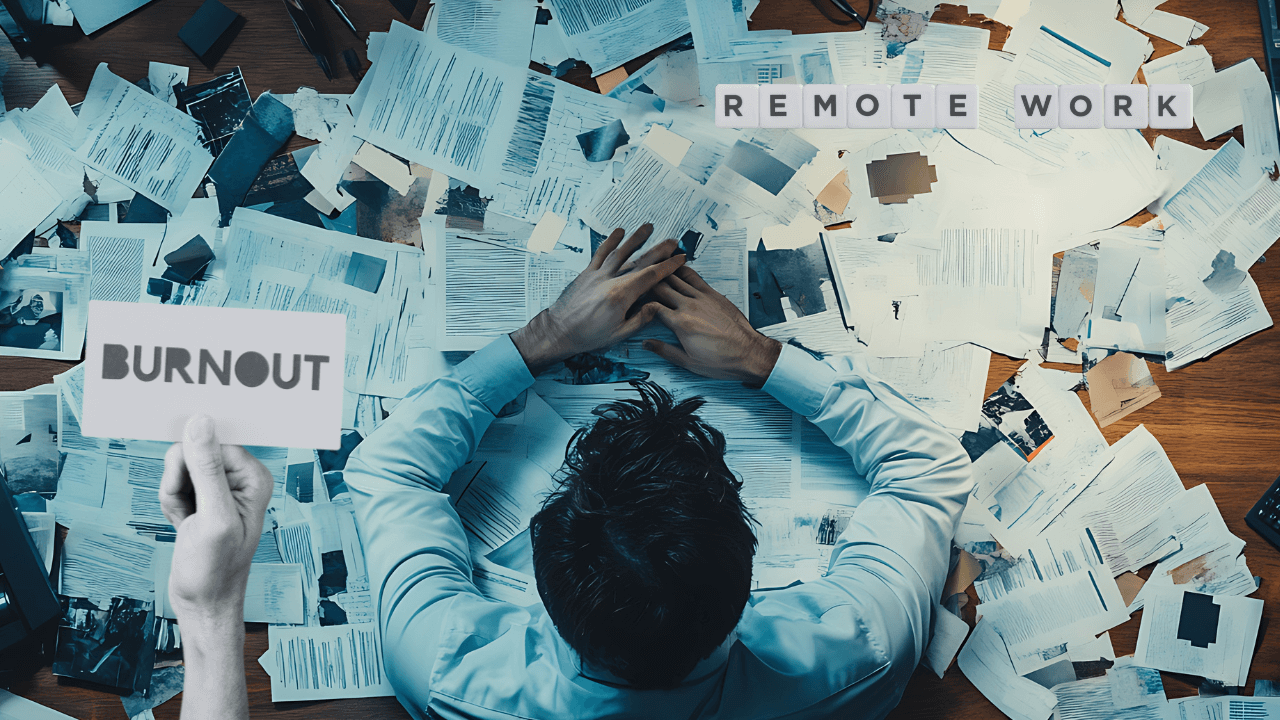
- Constant connectivity is eroding rest and recovery for remote workers
- Experts say extra hours do not translate into extra output
- Proposed fixes include a shorter workweek and off-hours email limits
- Behavior change must start with leadership clocking out on time
NEW DELHI, INDIA — The normalization of remote and hybrid work has blurred the lines between professional and personal life, creating an unsustainable culture of constant availability that is harming employee health and productivity.
Medical and organizational experts warn that without deliberate action to establish boundaries, the very flexibility meant to improve work-life balance is leading to widespread fatigue and diminished performance.
Always-on work erodes health, productivity
IndiaTV reports that the implication of constant connectivity has gone against the principles of flexible work arrangements, which were intended to be unspoken.
Vikram Vora, Medical Director of International SOS operating in the Indian Subcontinent, states that working beyond standard hours is reducing the much-needed rest and recovery.
The International SOS, a global health and security services company, emphasizes that this downtime loss is a direct occupational health issue.
More importantly, the increased availability does not correspond to increased output. According to Dr. Vora, these practices are energy-consuming, lower concentration, and have adverse health effects on the body and mind.
Consequently, the premise that the more hours, the greater the productivity is, in fact, flawed, and workplaces have been put on a downward path towards such a model that is counterproductive and detrimental to their human capital.
Healthier work habits and sustainable models
Organizations are highly motivated to be on the move with the intent of developing and executing responsible actions that appreciate well-being as a key component of sustainable performance.
These include organizational changes such as experimenting with a four-week workweek, which is scientifically feasible, and the ability to remain productive without being further demotivated, as well as policies that keep off-hours, such as never sending emails or having meetings on the weekend, so that employees can have some form of control.
A healthier work culture also needs to be changed, and behavior change should start at the top. This creates a strong cultural norm in which leaders can clock out on time and take breaks, championing balanced behavior.
Combined with the option of flexibility in personal maximum productive time and enhanced encouragement of breaks and days off, organizations will be able to create a more human, understanding, and, ultimately, more productive working environment.
The erosion of the work-life divide by pervasive connectivity inverts the promise of flexible work into a mandate of constant accessibility, threatening to institutionalize burnout as a systemic flaw in the future economy rather than a personal failing.
Related news
- Women leaders face record burnout, ambition gap widens in 2025: report · 19 Dec
- U.S. workers burn out, ‘ghostwork’ amid pay, ethics crisis: Resume Now · 27 Dec
- Ford revives century-old wage playbook to keep Gen Z auto workers · 2 Dec
Disclosure: Outsource Accelerator uses AI tools in the backend of its editorial workflow. Every article is reviewed and verified by a human editor before publication.
Stay ahead of the outsourcing industry. Join thousands of business leaders who rely on Outsource Accelerator for the news, trends, and expert insights that matter. Subscribe to our free newsletter and never miss an update.








