
Indian IT firms see 70% drop in H-1B approvals as U.S. tech surges

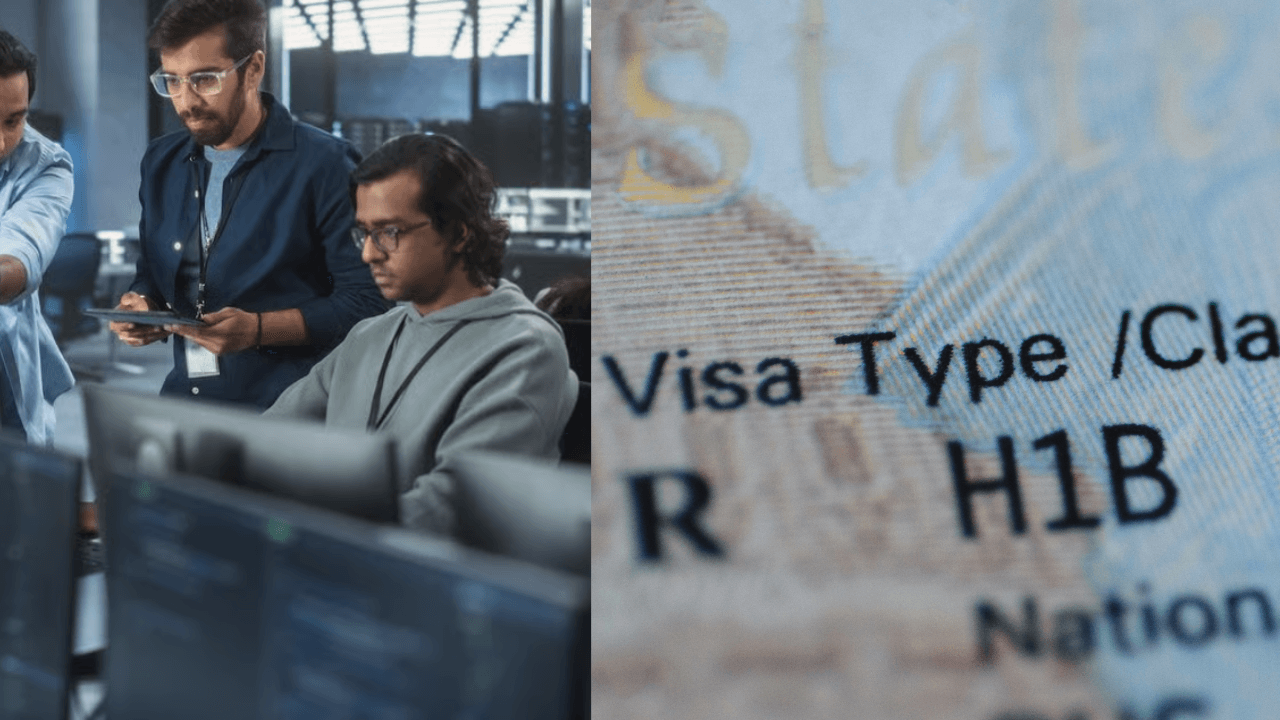
VIRGINIA, UNITED STATES — Indian IT companies are facing a sharp contraction in their access to United States tech talent visas, as new H-1B approvals for the sector plunged by 70% over the past decade, even as American tech giants ramp up their intake of skilled foreign workers.
A new study from the National Foundation for American Policy (NFAP) reveals a dramatic shift in who is securing the most sought-after U.S. skilled-worker visas.
Indian IT’s share of new H-1Bs falls sharply
The NFAP report, which analyzed U.S. Citizenship and Immigration Services (USCIS) data, found that the seven largest India-based IT firms filed just 4,573 H-1B petitions for new employment in FY2025, marking a steep drop from FY2015 and a 37% fall from last year.
NFAP notes the trend reflects a structural shift, stating that the data indicates a drastic reduction of H-1B new approvals for the Indian companies.
While the H-1B cap remains fixed at 65,000 visas annually with an additional 20,000 reserved for U.S. advanced degree holders, Indian IT’s share of that pool has eroded considerably.
Just three Indian firms ranked among the top 25 employers for initial H-1B approvals in FY2025, a noteworthy departure from their longstanding dominance in the visa landscape.
The report suggests Indian firms are increasingly relying on offshore delivery models, automation, and local hiring in the U.S., reducing the need to bring workers onsite.
This aligns with global outsourcing trends, where distributed teams and hybrid delivery approaches are becoming more common.
U.S. tech majors and more employers tap H-1B talent
In contrast, U.S. tech companies have surged ahead. Amazon secured the highest number of H-1B approvals at 4,644, followed by Meta (1,555), Microsoft (1,394), and Google (1,050).
NFAP emphasized the widening base of employers using the visa program, noting that 28,277 U.S. companies were approved to hire at least one new H-1B worker in FY2025.
The study highlighted that roughly 61% of employers were granted approval for only one petition, indicating a more equitable access to skilled foreign labor.
The decline in Indian IT visas also intersects with shifting U.S. immigration policies.
The Trump administration had previously introduced a $100,000 H-1B application fee, while Donald Trump recently stated that skilled immigrants are necessary to train American workers in advanced technology production, even acknowledging possible opposition from anti-immigration groups.
What the H-1B shift means for outsourcing
For the global outsourcing industry, the trend signals a deeper recalibration. As Indian IT firms pivot toward offshore-heavy models and U.S. tech companies expand their direct access to global talent, outsourcing players may find new opportunities in higher-value, remote-first service delivery.
The sharp decline in visas, combined with rising American demand for specialized tech skills, underscores an industry entering a new era, one where global competitiveness will be shaped not by visa counts, but by how effectively companies deploy distributed talent and advanced technologies.
Related news
- Trump’s $100K H-1B fee costs Tata, Infosys, Cognizant billions · 3 Jan 2026
- 94% of leaders see outsourcing as key to AI-era workforce: report · 5 Dec
- Bangladesh turns to AI outsourcing for new growth: editorial · 5 Dec
Disclosure: Outsource Accelerator uses AI tools in the backend of its editorial workflow. Every article is reviewed and verified by a human editor before publication.
Stay ahead of the outsourcing industry. Join thousands of business leaders who rely on Outsource Accelerator for the news, trends, and expert insights that matter. Subscribe to our free newsletter and never miss an update.








