
EU staff burnout crisis fuels push for stress directive at work

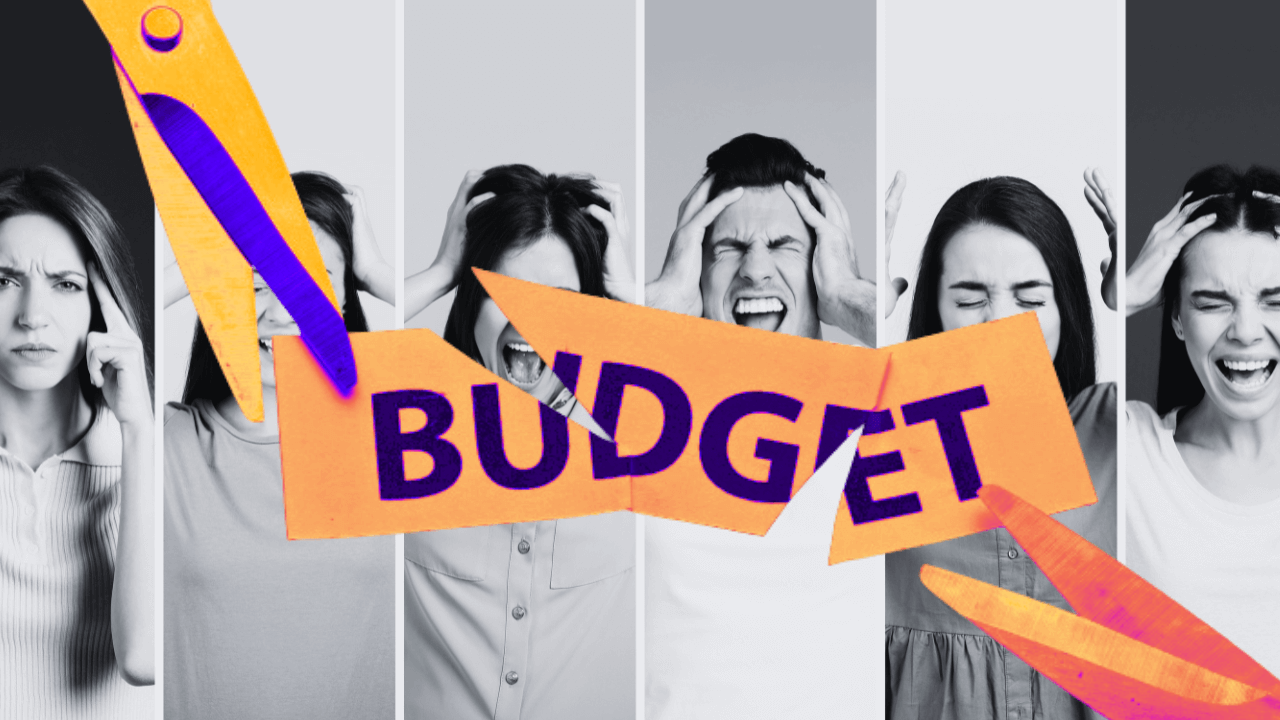
- Unions link EU staff burnout to budget cuts and excessive workloads
- Workplace stress accounts for over 40% of all depression cases
- It is the main cause of 10,000 deaths annually
- Overwork costs the economy about 620 billion euros a year
BRUSSELS, BELGIUM — Alarming new data reveal a worrying prevalence of occupational burnout, anxiety, and depression among European Union institution staff, a crisis unions directly link to budget cuts and excessive workloads.
The European Trade Union Confederation (ETUC), publishing its findings, urgently calls for a new EU directive to combat what it terms a growing “epidemic of stress,” citing severe human and economic costs.
EU budget cuts, overwork fuel mental health epidemic
According to Philenews, the ETUC identifies systemic budget reductions across EU services as the primary catalyst for the deteriorating mental health of staff. These cuts have led to the assignment of additional duties to remaining personnel, resulting in unsustainable and excessive workloads.
This assessment is supported by the European Federation of Public Service Unions (EPSU), which reports that a growing number of Commission employees are experiencing burnout directly due to management’s expectations of achieving more with fewer resources.
This situation within the EU institutions is presented as a microcosm of a broader European workplace crisis.
The ETUC states that burnout is rising continent-wide, with workplace stress now accounting for over 40% of all depression cases and being the main cause of 10,000 deaths annually.
The data suggests the problem within the EU’s own administrative body is both a severe internal issue and a reflection of a pervasive regional trend.
Unions demand binding EU psychosocial risks directive
In response, the ETUC is demanding concrete, legally binding preventive measures from employers, starting with the EU itself.
The confederation states that the next Quality Jobs Package should include a specific Psychosocial Risks Directive that imposes a legal duty on all employers to take concrete steps to prevent burnout and overwork.
General Secretary of ETUC Esther Lynch pointed out that workplace stress is both predictable and preventable, and that every employer should have a solid safety plan in place.
“Every employer needs to put a concrete plan in place to keep people safe. We know that overworking can cause burnout, depression, and heart disease. It costs the economy approximately 620 billion euros annually and, most importantly, it costs people’s lives,” Lynch stressed.
Despite these impacts, Lynch pointed out that Europe currently lacks specific legislation on psychosocial risks, expressing expectation that the European Commission—now acutely aware of the problem from its staff reports—will include the directive in the forthcoming Quality Jobs Act.
The escalating mental health crisis among EU staff, driven by austerity measures forcing employees to do more with less compensation, exposes a systemic workplace peril that extends far beyond the borders of Europe, as other parts of the globe face similar pressures from constrained resources.
Austerity-driven burnout spreads across global public sector
A growing mental health crisis linked to austerity and overwork is gripping public sector institutions globally, mirroring a severe burnout epidemic now acknowledged within the European Union’s own administration.
In the U.S., federal budget cuts, freezes, and chronic threats of government shutdowns have created “mission strain,” with remaining staff absorbing unsustainable workloads due to unfilled vacancies.
Across six African nations, International Monetary Fund (IMF)-driven public spending cuts have slashed teachers’ incomes by up to 50% and left 97% of health workers unable to cover basic needs, crippling education and healthcare systems.
Meanwhile, the United Nations faces a liquidity crisis, with funding cuts forcing hiring freezes and demanding that critical humanitarian operations be maintained with fewer resources, heightening staff anxiety.
This convergent pattern reframes workplace stress as a systemic failure of resourcing rather than an individual issue, prompting a significant demand from the EU union for a legally binding Psychosocial Risks Directive.
Should the said directive succeed, it would establish a global precedent, reframing chronic workplace stress from an individual burden to a preventable collective responsibility, thereby reshaping the very architecture of future labor protections.
Related news
- UK workers with health issues, low pay face flexible work gap: study · 9 Jan 2026
- Gig workers worldwide face rising fraud, weak protections: TransUnion · 23 Jan 2026
- AI job losses in U.S. fuels calls for universal basic income, AI tax · 5 Dec
Disclosure: Outsource Accelerator uses AI tools in the backend of its editorial workflow. Every article is reviewed and verified by a human editor before publication.
Stay ahead of the outsourcing industry. Join thousands of business leaders who rely on Outsource Accelerator for the news, trends, and expert insights that matter. Subscribe to our free newsletter and never miss an update.








