
U.S. Senate rejects ACA tax credit extension; health costs set to rise

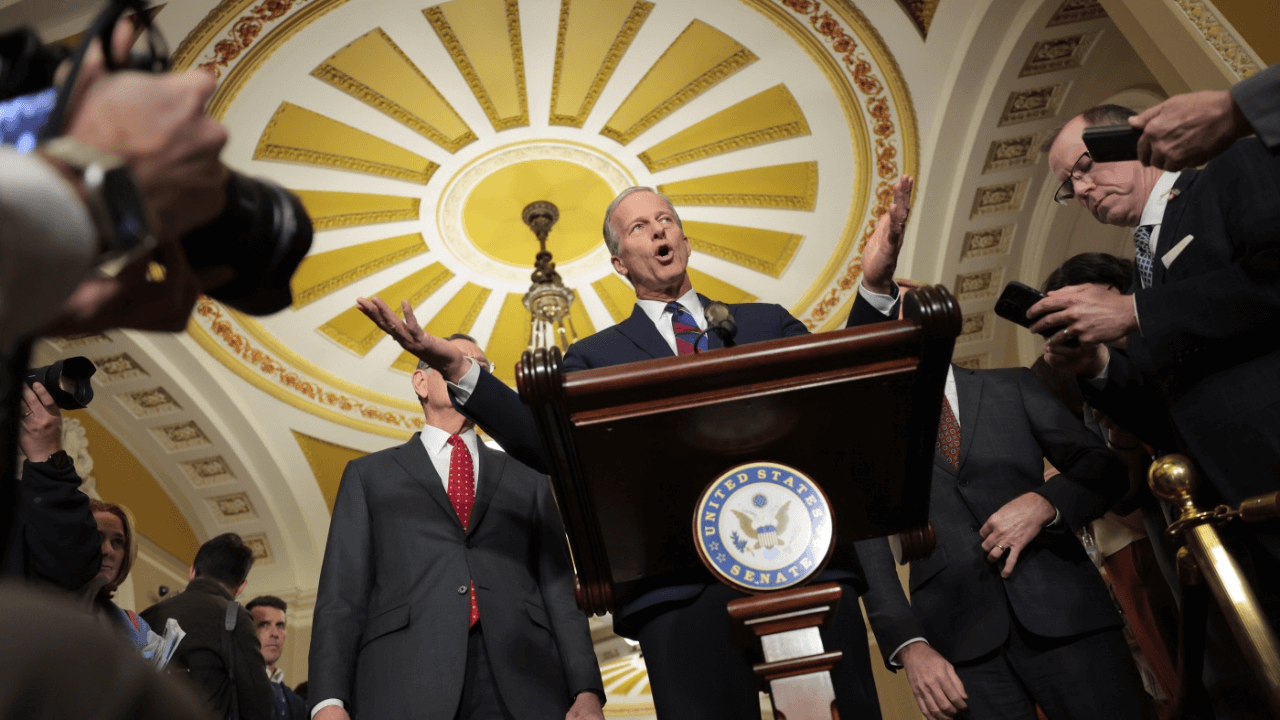
- The Senate failed to advance two competing healthcare bills
- The Republican measure fell 51-48
- The Democratic measure also fell 51-48
- Democrats sought a three-year extension of ACA tax credits
NEW YORK, UNITED STATES — The United States Senate on December 11 failed to advance competing health care bills, leaving millions of Americans facing potentially steep insurance premium increases in 2026.
Lawmakers were divided largely along party lines, as Democratic and Republican proposals aimed at addressing rising health care costs both fell short of the 60 votes needed to advance.
U.S. Senate gridlock stalls ACA relief
According to a report from CBS News, Democrats had been pushing for a three-year extension of enhanced Affordable Care Act (ACA) tax credits, arguing it was essential to prevent a surge in premiums for more than 20 million Americans.
Republicans offered an alternative plan that would send funds directly to consumers rather than extend the current subsidies.
The grand old party (GOP) bill failed in a 51–48 vote, with one Republican crossing the aisle to oppose it. The Democratic measure also fell 51–48, though four Republicans joined Democrats in supporting the extension.
Senate Majority Leader Chuck Schumer, a New York Democrat, criticized Republican senators following the vote.
“Unfortunately our Republican colleagues refused to do what they should have done,” Schumer said.
“Republicans just blocked the Democrats’ bill for a clean, simple extension of the ACA tax credits, the last chance they had to ensure peoples’ premiums do not skyrocket in the coming months,” Schumer added.
Hospitals and patients brace for higher costs
For hospitals, clinics, and other healthcare providers, the failed votes signal a potential financial strain on patient populations. Higher premiums could lead to delays in seeking care or increased uncompensated care, pressuring hospitals’ bottom lines.
Clinics and community health centers that rely on ACA-subsidized patients may see an uptick in patients unable to afford insurance coverage, complicating staffing, scheduling, and budgeting.
Some Republicans have signaled openness to temporary extensions of enhanced tax credits, with potential reforms to address income caps and fraud.
“I still think we’re gaining momentum every day, and I’m going to keep moving forward until someone tells me to stop,” GOP Senator Roger Marshall of Kansas noted.
Meanwhile, Sen. Lisa Murkowski, one of the few Republicans to vote with Democrats, said, “After we fail, I like to think we succeed,” hinting at the possibility of future bipartisan solutions.
Healthcare systems now face the challenge of preparing for uncertain patient coverage and potential cost shifts, while Congress grapples with finding a compromise to stabilize the ACA marketplace. Without swift action, providers may need to brace for a surge in uncompensated care and pressure on operational resources in the coming year.
Related news
- ACA subsidy lapse could spike ER visits, uninsured patients · 22 Jan 2026
- Misuse of AI chatbots tops 2026 health tech hazards: ECRI · 30 Jan 2026
- U.S. funding bill extends Medicare telehealth, reforms PBMs · 13 Feb 2026
Disclosure: Outsource Accelerator uses AI tools in the backend of its editorial workflow. Every article is reviewed and verified by a human editor before publication.
Stay ahead in healthcare outsourcing. Join thousands of healthcare and business leaders who rely on Outsource Accelerator for the news, trends, and expert insights shaping medical BPO and the future of care delivery. Subscribe to our free newsletter and never miss an update.








