
Designers turn offices into lifestyle destinations to lure staff

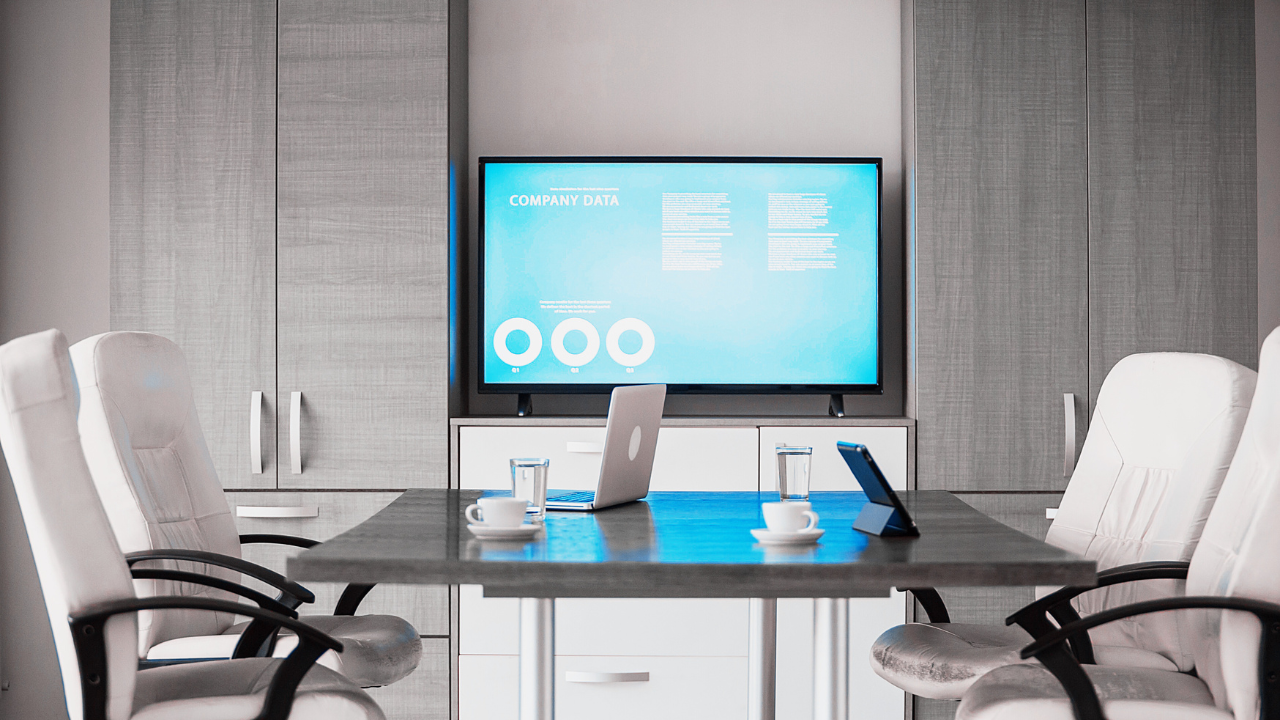
- Designers are being asked to make offices rival home comfort
- 76% of employees in remodeled offices feel they have a choice of workplace
- 40% rank food halls as a top amenity and 32% wellness centers
- One Tokyo project featured 15 different food offerings
NEW YORK, UNITED STATES — Facing employee resistance to rigid return-to-office (RTO) mandates, global corporations are now tasking designers with a fundamental challenge: transforming workplaces into compelling experiences that rival the comfort of home.
At the Fortune Brainstorm Design forum, Gensler’s Ray Yuen outlined how the new office must integrate amenities, wellness, and flexibility to attract staff, while simultaneously adapting to the disruptive speed of artificial intelligence in the design process itself.
“We’re no longer just designing workplaces, we’re actually designing experiences,” said Yuen.
Experiential office design to attract employees
The post-pandemic return to the office has ignited a strategic shift in corporate real estate, moving from merely providing workspace to curating holistic experiences.
Global corporations are evolving their workplace designs to offer holistic experiences that attract employees, moving beyond traditional office setups by incorporating amenities, wellness features, and greater flexibility.
This aligns with findings from Gensler’s 2025 Workplace Survey, which found that 76% of employees in newly remodeled offices feel they have a choice in where they work, and that employees prioritize food halls (40%) and wellness centers (32%) as top amenities over traditional office spaces.
Clear employee preferences drive this change; the Gensler survey revealed that when defining a good workplace, staff prioritized factors like food and wellness over traditional work functions.
“Good design starts with the workforce in mind, creating workplaces that support individual and collective work, foster in-person activities, and adapt to technological change and an aging workforce,” the report notes.
In response, Yuen now aims to make the campus or office “more than work,” integrating amenities that cater to fundamental human desires for community and comfort. This philosophy transforms the office from a mandate into a destination, aiming to deliver greater value.
Practical applications of this ethos are already underway. Yuen cited a Tokyo project for a company where half the staff worked from home, in which Gensler designed an office featuring 15 different food offerings, including sought-after Blue Bottle coffee and even a secret vinyl bar.
This flexibility ensures the workplace can serve multiple community and functional purposes, mirroring the evolution of spaces like modern airports, which Yuen notes have become destinations with outdoor-indoor spaces and natural light, rather than mere transit hubs.
How AI is speeding up office design
Artificial intelligence (AI) is fundamentally compressing timelines and altering client expectations, forcing a reevaluation of traditional design tenets like time and craftsmanship.
Clients, now accustomed to generating instant visuals using AI image generators such as Google’s Nano Banana Pro, directly challenge designers by asking, “If they can do it in a second, why can’t design firms do it quicker?”
This demand for “immediate response, immediate gratification” pressures the industry to accelerate its creative processes and deliver concepts at an unprecedented pace, disrupting established workflows.
In response, designers are adapting their roles from purely original creators to strategic curators and editors of AI-generated possibilities. This method represents a pragmatic compromise to manage client demands for speed without wholly abandoning the creative process.
The integration of AI tools is becoming essential for firms to remain competitive, signifying a profound change in how design value is generated and delivered in an instant-gratification economy.
As Yuen notes, “With AI, we’re now almost like a creator [of] all these art pieces, and we try to select what is suitable—that’s the only way we can manage that need from clients on speed and time.”
Related news
- Executives champion hybrid work focused on outcomes · 6 Nov
- Indian firms lead shift to AI-driven work models, Microsoft reports · 10 Sep
- Nonprofit job crisis puts U.S. social safety net at risk · 18 Dec
Disclosure: Outsource Accelerator uses AI tools in the backend of its editorial workflow. Every article is reviewed and verified by a human editor before publication.
Stay ahead of the outsourcing industry. Join thousands of business leaders who rely on Outsource Accelerator for the news, trends, and expert insights that matter. Subscribe to our free newsletter and never miss an update.








