
AI to cut jobs, but soft skills will power new careers: Jamie Dimon

- Jamie Dimon says AI will eliminate jobs but create others
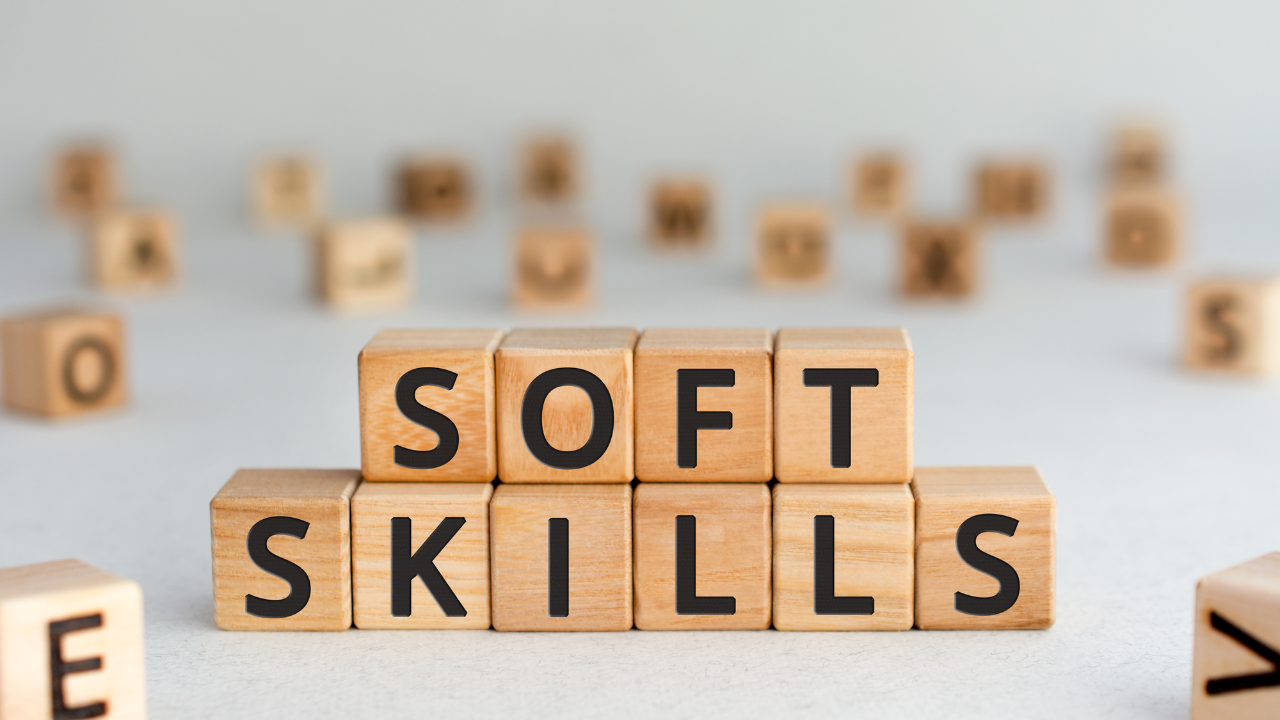
- He urges workers to build emotional intelligence and communication
- Anthropic’s chief executive estimates up to 50% of white-collar roles could go
- Walmart’s chief says AI will change literally every job
NEW YORK, UNITED STATES — Artificial intelligence (AI) will eliminate many jobs, but focusing on irreplaceable human skills like critical thinking and emotional intelligence can secure future employment, says JPMorgan Chase Chief Executive Officer (CEO) Jamie Dimon.
His warning, echoed by other top executives like Walmart’s Doug McMillon and Amazon’s Matt Garman, highlights a broad corporate consensus as AI begins reshaping the global workforce.
″[AI] will eliminate jobs. That doesn’t mean that people won’t have other jobs,” Dimon told Fox Business.
AI will transform nearly every job, CEOs warn
McMillon concluded that AI will transform all jobs. “It’s very clear that AI is going to change literally every job,” he said.
This perspective does not view AI as a specialized technological change but as a universal phenomenon that will affect both low-skilled and white-collar jobs.
The magnitude of this forthcoming change can be highlighted by the drastic forecasts made even by the tech industry.
Anthropic CEO Dario Amodei has estimated that up to 50% of all white-collar positions could be eliminated over the next five years due to AI, suggesting a disruptive change in a relatively short period.
“It is my guess that by 2026 or 2027 we will have AI systems that are broadly better than almost all humans at almost all things,” said Amodei in the World Economic Forum.
This tide of change is already associated with real economic implications; some even point to AI as a factor in the rise in unemployment among the younger generation, indicating that the wave is not in the future but here and now, and here to stay.
Soft skills like EQ and communication key in AI era
In response to the rise of AI, business leaders are identifying a specific set of human-centric skills as essential for career resilience and success.
Dimon’s advice is to “learn EQ [emotional quotient, also known as emotional intelligence], learn how to be good in a meeting, how to communicate, how to write.”
In contrast, AI is effective in administrative and skill-based areas; it cannot make subtle decisions or engage in genuine interpersonal communication, leaving a sustainable need for human resources in these areas.
Other executives strongly concur with this opinion, focusing on flexibility and advanced communication. Garman said that innovation, critical thinking, and adaptability would be required to succeed, and that the ability to learn new things and adapt to them would be as vital as any specific talent.
“I think the ability to learn new things and adapt is going to be just as important as any particular skill that you learn,” he said.
These views of pushing toward human-centric competencies like emotional intelligence and critical thinking mark not merely a defensive strategy against AI displacement, but the definitive blueprint for constructing a viable, value-driven career in the future of work.
Related news
- AI may automate 57% of U.S. work hours by 2030, McKinsey says · 4 Dec 2025
- AI job anxiety peaks in tech, policy hubs, Zety reports · 11 Oct 2025
- AI literacy surpasses degrees in evolving job market: LinkedIn CEO · 8 Oct 2025
Disclosure: Outsource Accelerator uses AI tools in the backend of its editorial workflow. Every article is reviewed and verified by a human editor before publication.
Stay ahead of the outsourcing industry. Join thousands of business leaders who rely on Outsource Accelerator for the news, trends, and expert insights that matter. Subscribe to our free newsletter and never miss an update.








