
Southern U.S. states hit hardest as ACA subsidies expire

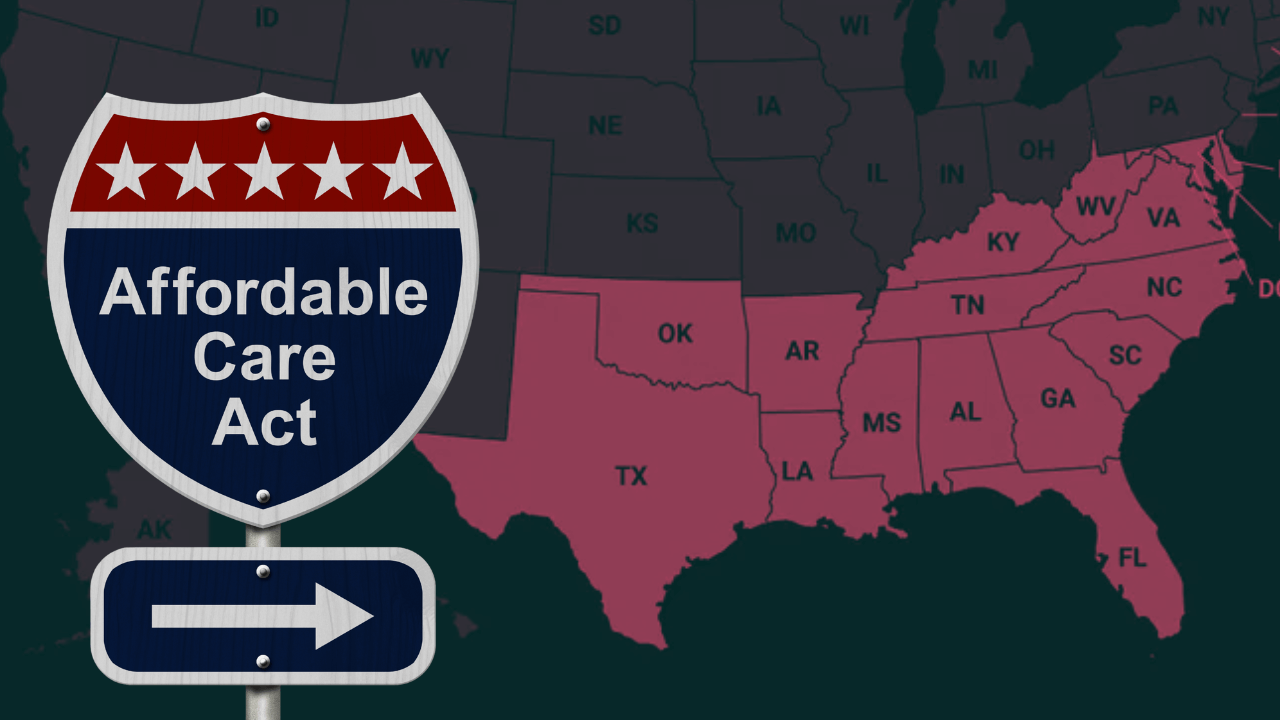
- Enhanced ACA subsidies expired on December 31
- About 4.8 million people could lose coverage
- Mississippi faces a projected 65% rise in uninsured residents
- Employment could fall by 286,000 jobs nationwide in 2026
ILLINOIS, UNITED STATES — Hospitals and health systems across the southern United States are bracing for a surge in uninsured patients after enhanced Affordable Care Act (ACA) subsidies expired on December 31, a shift that could strain already thin margins for providers serving low-income and rural communities.
The enhanced premium tax credits, created under the 2021 American Rescue Plan Act, had expanded marketplace eligibility and capped benchmark plan premiums at 8.5% of income.
According to a report from Becker’s Payer Issues, with those subsidies now gone and Congress deadlocked on an extension, millions of patients who gained coverage in recent years may soon drop their insurance.
Coverage losses threaten provider stability
Since the enhanced subsidies took effect, ACA marketplace enrollment climbed to 24.3 million in 2025. But early signs of reversal are already emerging.
“As of December 23, more than 15.6 million people have enrolled in plans on federally run ACA exchanges for 2026 so far, down from about 16 million at the same point last year,” according to the report.
Without congressional action, “around 4.8 million people will lose coverage without an extension,” the Urban Institute estimated in a September report.
The coverage losses are expected to be most severe in the South, where Medicaid expansion remains limited in several states. Mississippi is projected to see a 65% increase in uninsured residents, followed by South Carolina at 50%, Tennessee at 41%, and Texas and Georgia at 39% each.
For hospitals and clinics, particularly safety-net providers, that shift could mean higher uncompensated care, delayed treatment, and increased pressure on emergency departments as uninsured patients postpone care until conditions worsen.
Economic and workforce ripple effects
The financial fallout extends beyond coverage numbers. Without an extension, “total state GDPs would fall by $34.1 billion and total economic output would decrease by $57 billion,” according to a March brief from the Commonwealth Fund.
Texas alone faces an estimated $14.1 billion drop in economic output and $6.3 billion in lost federal funding, followed by Florida and Georgia.
Those losses translate directly to provider workforces. The Commonwealth Fund found that “overall employment would decline by 286,000 jobs nationwide in 2026, including 130,000 healthcare positions at hospitals, physician offices, ambulatory care facilities and pharmacies.”
Texas is projected to lose 30,800 healthcare jobs, while Florida could see 22,100 positions eliminated.
For healthcare leaders, the expiration of the subsidies raises difficult questions about staffing, service lines, and long-term financial planning. Until lawmakers resolve the subsidy debate, providers in the South may be forced to prepare for a future with more uninsured patients, tighter budgets, and fewer resources to meet growing community health needs.
Related news
- Europe healthcare turns to tech amid aging workforce, staff shortages · 6 Jun 2025
- New York awards $300Mn+ for hospital IT, cybersecurity upgrades · 3 Jan
- Experts worried as Senate blocks U.S. healthcare subsidy extension · 1 Jan
Disclosure: Outsource Accelerator uses AI tools in the backend of its editorial workflow. Every article is reviewed and verified by a human editor before publication.
Stay ahead in healthcare outsourcing. Join thousands of healthcare and business leaders who rely on Outsource Accelerator for the news, trends, and expert insights shaping medical BPO and the future of care delivery. Subscribe to our free newsletter and never miss an update.








