
AMA presses U.S. Congress to make Medicare telehealth permanent

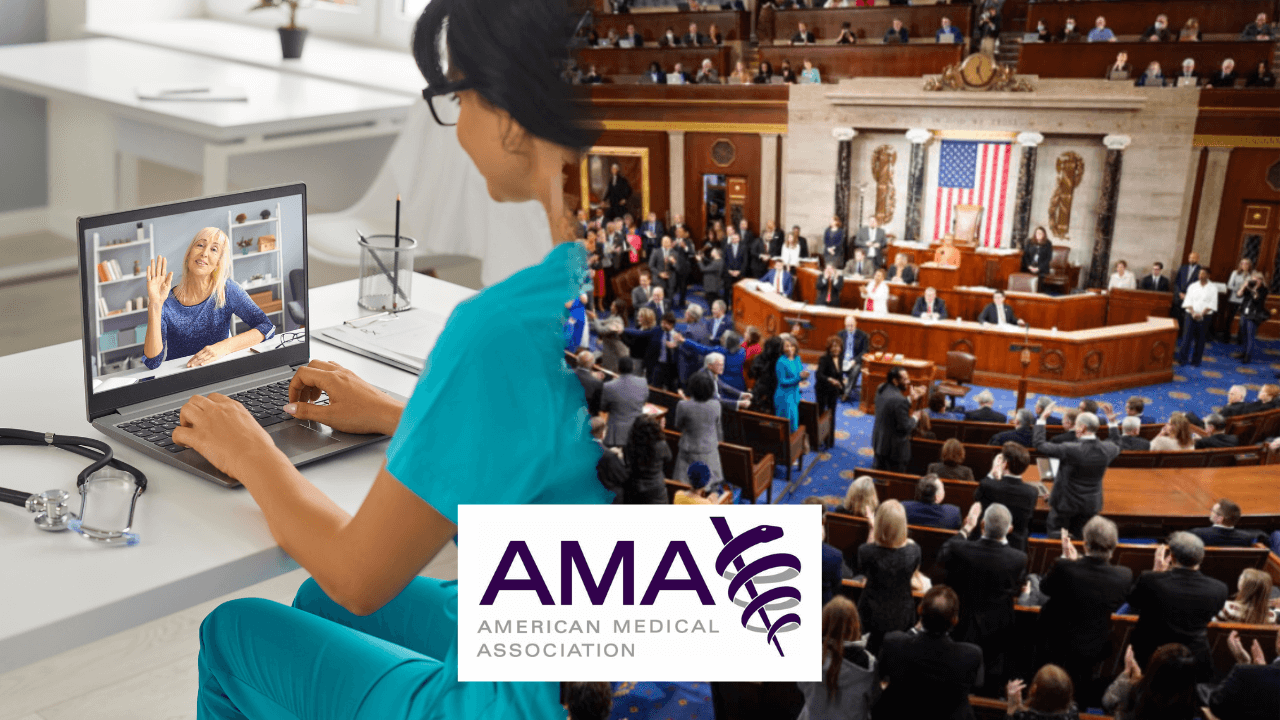
- The AMA is pressing Congress to make telehealth waivers permanent
- Current flexibilities expire at the end of January
- Telehealth visits fell 24% when flexibilities briefly lapsed
- Over 28 million Medicare patients used telehealth during the pandemic
NEW YORK, UNITED STATES — As the January 30 deadline for Medicare telehealth waivers approaches, the American Medical Association (AMA) is renewing its call for Congress to permanently lock in pandemic-era telehealth flexibilities.
AMA argues that short-term extensions are already harming patient care and disrupting healthcare providers.
The AMA released an issue brief warning that uncertainty around telehealth policy is undermining care delivery across hospitals, health systems, and physician practices.
According to a MedCity News report, the group’s push comes amid fresh evidence showing how fragile telehealth access becomes when waivers lapse. During the federal government shutdown in late 2025, telehealth visits fell sharply by 24% when temporary flexibilities briefly expired, reinforcing the AMA’s argument that stopgap policies can quickly translate into lost access for patients.
Medicare telehealth deadline threatens provider stability
Before COVID-19, Medicare telehealth access was tightly restricted, limited largely to rural patients and approved clinical sites such as hospitals or physician offices.
Those rules were waived during the pandemic to expand access, allowing patients to receive care from home regardless of location. While Congress has extended those flexibilities multiple times, they are still scheduled to expire at the end of January.
For providers, the uncertainty complicates long-term planning. Health systems have invested heavily in virtual care platforms, workforce training, and hybrid care models that blend in-person and remote services.
Clinics rely on telehealth to manage follow-ups, chronic disease care, and specialty access. The prospect of reverting to pre-pandemic rules raises concerns about disruptions to care and operational inefficiencies.
“Since the COVID-19 public health emergency, Congress has repeatedly extended telehealth flexibilities for Medicare patients—often at the last moment—creating uncertainty for millions of patients and their physicians,” AMA President Dr. Bobby Mukkamala said in a statement.
“As the current waiver deadline approaches, Congress must finally act decisively to prevent a disruptive and abrupt halt to the expanded telehealth services that have improved care continuity, chronic disease management, and access for rural and underserved communities,” Dr. Mukkamala added.
Data shows Medicare telehealth cuts costs, boosts access
The AMA’s brief points to extensive data showing telehealth’s value to both patients and providers.
Well over 28 million Medicare patients used telehealth services during the pandemic, and research shows they were 9.2% more likely to have telehealth visits rather than go to the clinic, which is important for facilities dealing with missed appointments and low utilization rates.
Cost data also supports permanence. Multiple studies, including one from the University of Michigan, found that telehealth does not increase overall utilization and can lower spending, with one analysis showing $82 lower Medicare spending per patient after a telehealth visit compared with in-person care.
Beyond basic telehealth access, the AMA is urging Congress to permanently remove geographic and site restrictions, extend the Acute Hospital at Home Care waiver through 2030, and authorize continued use of virtual diabetes prevention programs.
It is also pressing lawmakers to address payment barriers for remote patient monitoring.
“When thoughtfully integrated, particularly through coordinated systems and hybrid care models, telehealth has demonstrated the ability to reduce care fragmentation, improve outcomes, enhance patient engagement and lower costs,” the AMA said in the issue brief.
The brief also warns that treating telehealth as temporary undermines progress toward a modern, innovative, and resilient health system.
Related news
- Billing frustrations drive U.S. patients to switch providers · 8 Jan
- Medicare Advantage flaws, costs fuel U.S. 2026 reform push — analyst · 7 Jan
- Movate acquires Solomo to strengthen healthcare AI services · 6 Jan
Disclosure: Outsource Accelerator uses AI tools in the backend of its editorial workflow. Every article is reviewed and verified by a human editor before publication.
Stay ahead in healthcare outsourcing. Join thousands of healthcare and business leaders who rely on Outsource Accelerator for the news, trends, and expert insights shaping medical BPO and the future of care delivery. Subscribe to our free newsletter and never miss an update.








