
AI-first work needs redesign, not just tools: Infosys

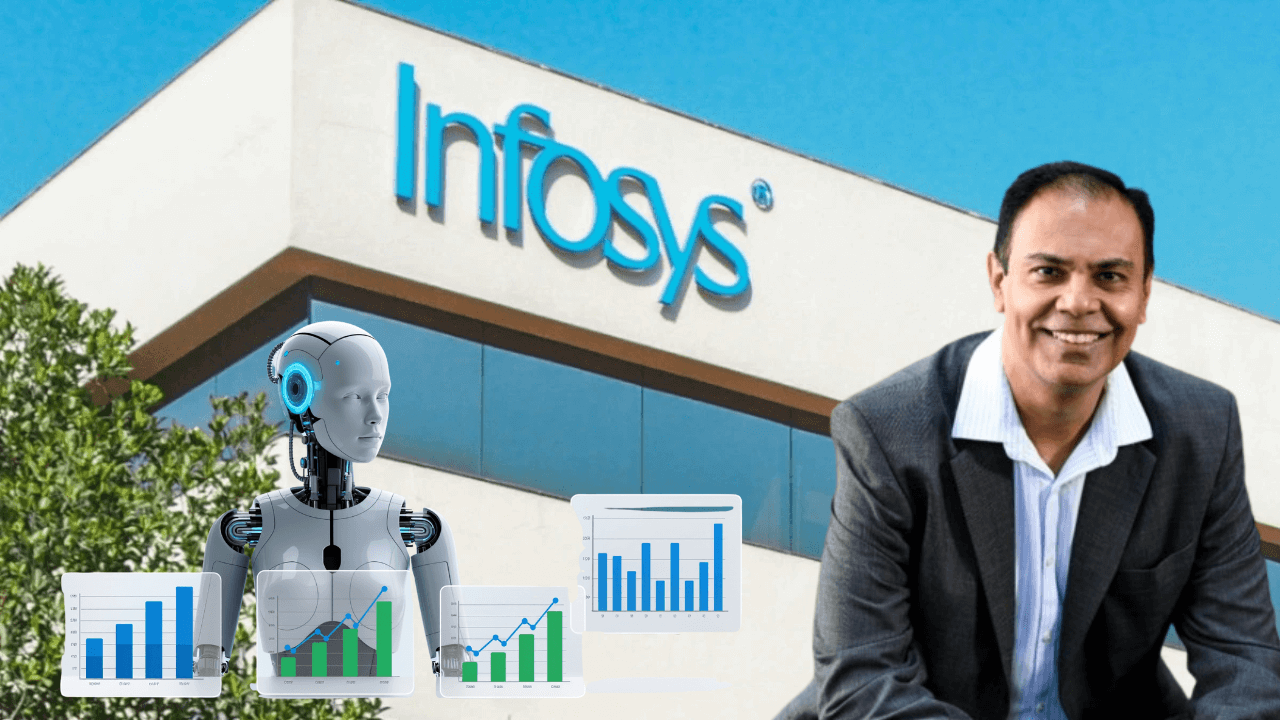
- Only 2% of leaders feel confident across all AI readiness dimensions
- 83% say psychological safety directly affects AI success
- Fewer than half rate their organizations highly on it
- One agency saw 30% faster turnaround with AI project management
HARYANA, INDIA — As artificial intelligence (AI) becomes ubiquitous in workplaces, organizations face a growing gap between deploying AI tools and truly becoming AI-first.
While employees increasingly rely on AI for tasks like drafting emails, routing service requests, and suggesting next steps, work remains “fragmented, reactive, and overloaded,” highlighting a disconnect between adoption and meaningful impact.
“An AI-first workplace embeds AI into end-to-end workflows transforming systems, processes, and experiences, not just improving user productivity,” said Shishank Gupta, Senior Vice President and Global Practice Head, Digital Workplace Ecosystem at Infosys.
According to a report from People Matters, “It takes a long-term view, investing beyond immediate ROI to enable sustainable impact,” he added.
From AI pilots to AI-first workflows
Despite years of experimentation, leadership confidence in AI remains low. Gupta cites a stark statistic: only 2% of leaders feel confident across all key dimensions of AI readiness.
He attributes the gap to organizations treating AI as a technology program rather than a fundamental operating-model shift.
“Tools are deployed. Work remains unchanged. Employees adapt around the system instead of the system adapting to them,” Gupta said.
The next phase of AI adoption focuses on embedding intelligence into workflows. Autonomous agents and context-aware systems can shift operations from reactive to proactive, anticipating intent instead of requiring constant human intervention.
Outcomes extend beyond efficiency, including self-healing IT environments, automated approvals, and personalized support. Gupta points to a marketing agency using AI-driven project management that recorded a 30% faster turnaround, allowing teams to concentrate on creative and strategic work rather than routine tasks.
“Organizations should deploy agentic frameworks that act as experience layers, understanding intent and contextualizing requests before routing to specialized agents,” Gupta added, emphasizing that AI should connect work rather than add new interfaces for employees to manage.
Leadership, culture, and psychological safety in AI
Infosys stresses that technology alone is not the limiting factor—leadership models and culture often are. Embedding AI meaningfully requires new structures, responsible AI guardrails, and a culture that supports experimentation.
Research cited by Infosys shows 83% of leaders believe psychological safety directly impacts AI success, yet fewer than half rate their organizations highly on it.
Gupta advises leaders to focus on high-impact areas and scale responsibly.
“Leaders must embed AI responsibly by integrating it into workflows, strengthening governance, and focusing on outcomes rather than experimentation for its own sake,” he said.
He also advocates “Human + AI” models that augment productivity and engagement.
For the global outsourcing and business process industry, this insight underscores a pivotal shift. AI adoption is no longer about piloting tools but about redesigning work to achieve measurable outcomes.
Organizations that integrate AI strategically, invest in skill-building, and cultivate adaptive cultures are likely to outperform competitors, signaling a long-term transformation in how work is structured and delivered across geographies.
Related news
- Companies cut managers, squeeze pay as workplace power shifts: survey · 10 Jul 2025
- U.S. workers choose ‘Great Stay’ amid 2026 job fears: MyPerfectResume · 13 Jan
- UK jobless risk rises in 2026 as ‘zombie’ firms collapse: outlook · 13 Jan
Disclosure: Outsource Accelerator uses AI tools in the backend of its editorial workflow. Every article is reviewed and verified by a human editor before publication.
Stay ahead of the outsourcing industry. Join thousands of business leaders who rely on Outsource Accelerator for the news, trends, and expert insights that matter. Subscribe to our free newsletter and never miss an update.








