
AI startups embrace 72-hour ‘996’ workweeks to race ahead

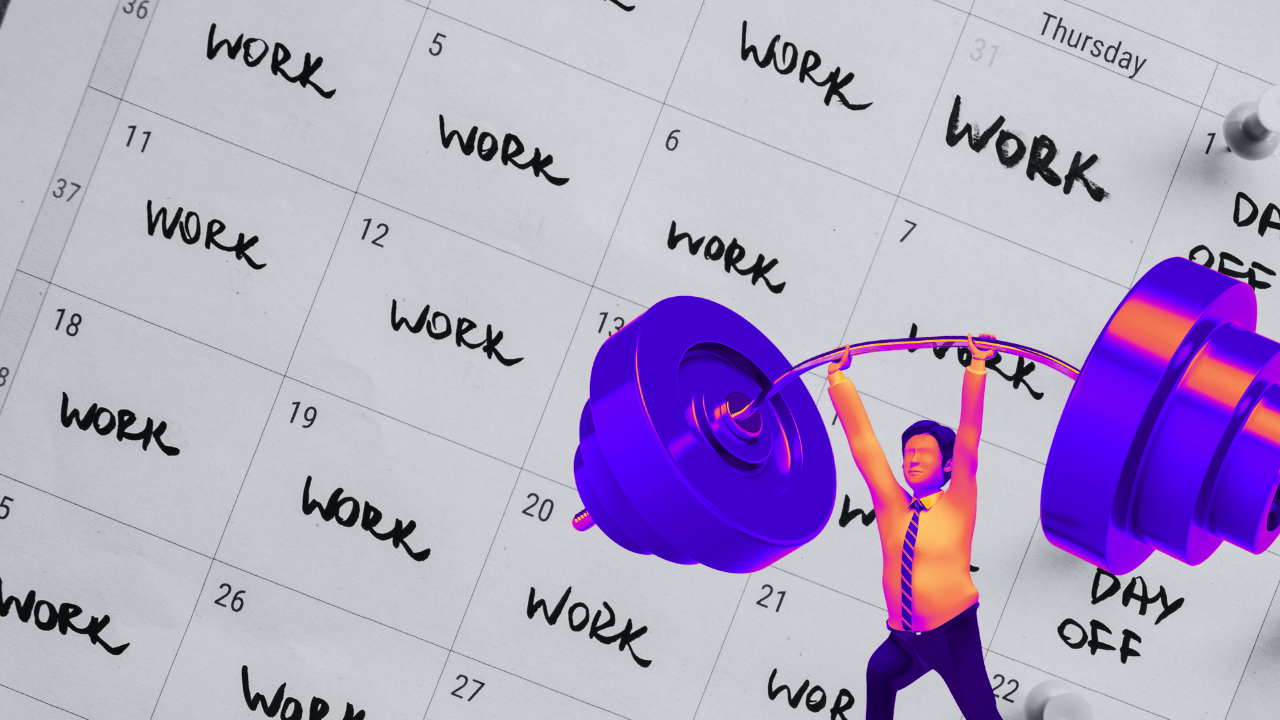
- California AI founders are reviving the 996 schedule
- That means 12-hour days, six days a week
- Founders see a window of only two to three years
- China’s Supreme People’s Court declared such schedules illegal in 2021
ONTARIO, CANADA — AI startup founders in California are aggressively reviving the grueling “996” work schedule—12-hour days (9 a.m. to 9 p.m.), six days a week—sparking a cultural clash as they race to capture the emerging market.
Driven by the belief that the window for dominance is only two to three years, young CEOs are embedding extreme performance cultures in their companies, echoing the past dot-com grind mentality and setting a contentious standard for the industry.
Market race drives AI founders to revive China’s ‘996’ work culture
Will Kenton, a contributor at Moneywise, writes that the primary driver of the resurgence of exhaustive work schedules is fierce competition to dominate the AI sector.
According to Caroline Winnett, Executive Director at Berkeley SkyDeck, the companies building AI now will capture the market, with a narrow window of opportunity lasting only two to three years.
“Because of generative AI, we all know that giant companies are going to be born,” she told The Washington Post. This perceived urgency creates a powerful incentive for founders to move at maximum speed.
This rationale has led CEOs like Browser Use’s Magnus Muller, who works seven days a week from 7 a.m. to 1 a.m., and Cognition’s Scott Wu, who promotes an “extreme performance culture,” to frame relentless work as a strategic necessity.
Companies in the West are currently facing fierce competition from Chinese rivals, evoking a resurgence of the late-1990s dot-com boom era, when the elite few in the startup ecosystem viewed long hours as a sign of dedication and a direct route to immense wealth.
Worker backlash and risk challenge sustainability
The aggressive promotion of 72-hour workweeks is facing significant global backlash and is undermined by evidence of serious health and productivity costs.
In China, where the “996” term gained notoriety after Alibaba Founder Jack Ma called it a “blessing,” a public outcry led to a GitHub shaming campaign (“996.ICU”) and, in 2021, a declaration from China’s Supreme People’s Court and labor ministry that such schedules are illegal.
This pushback has manifested in cultural movements like “tang ping” (lying flat), which urges rejecting nonstop striving, and in the United States through trends like “quiet quitting.”
Furthermore, a joint World Health Organization (WHO) and International Labor Organization (ILO) analysis linked working over 55 hours weekly to approximately 745,000 deaths from stroke and heart disease in 2016.
Economists like Stanford’s John Pencavel have demonstrated diminishing returns in productivity after 50 to 60 hours, undercutting the business case for such extreme schedules and highlighting the significant personal gamble employees take when compensation is heavily tilted toward risky equity.
Kenton writes, “While 996 culture may be the Gen Z version of ‘rise and grind,’ whether it will help American AI firms catch up with China is debatable at best.”
This revival of the ‘996’ model, framed as a strategic necessity in the AI race, risks establishing a defining yet unsustainable blueprint for the future of work—one in which extreme human capital expenditure is the precarious cost of early-stage technological dominance.
Related news
- AI tools reshape global hiring but raise ethical challenges · 28 Oct 2025
- Female leaders make gains despite C-suite stagnation · 11 Dec 2024
- 99% of jobs could vanish by 2027, only 5 survive: AI expert · 10 Feb
Disclosure: Outsource Accelerator uses AI tools in the backend of its editorial workflow. Every article is reviewed and verified by a human editor before publication.
Stay ahead of the outsourcing industry. Join thousands of business leaders who rely on Outsource Accelerator for the news, trends, and expert insights that matter. Subscribe to our free newsletter and never miss an update.








