
New York nurses strike exposes broken U.S. healthcare staffing model

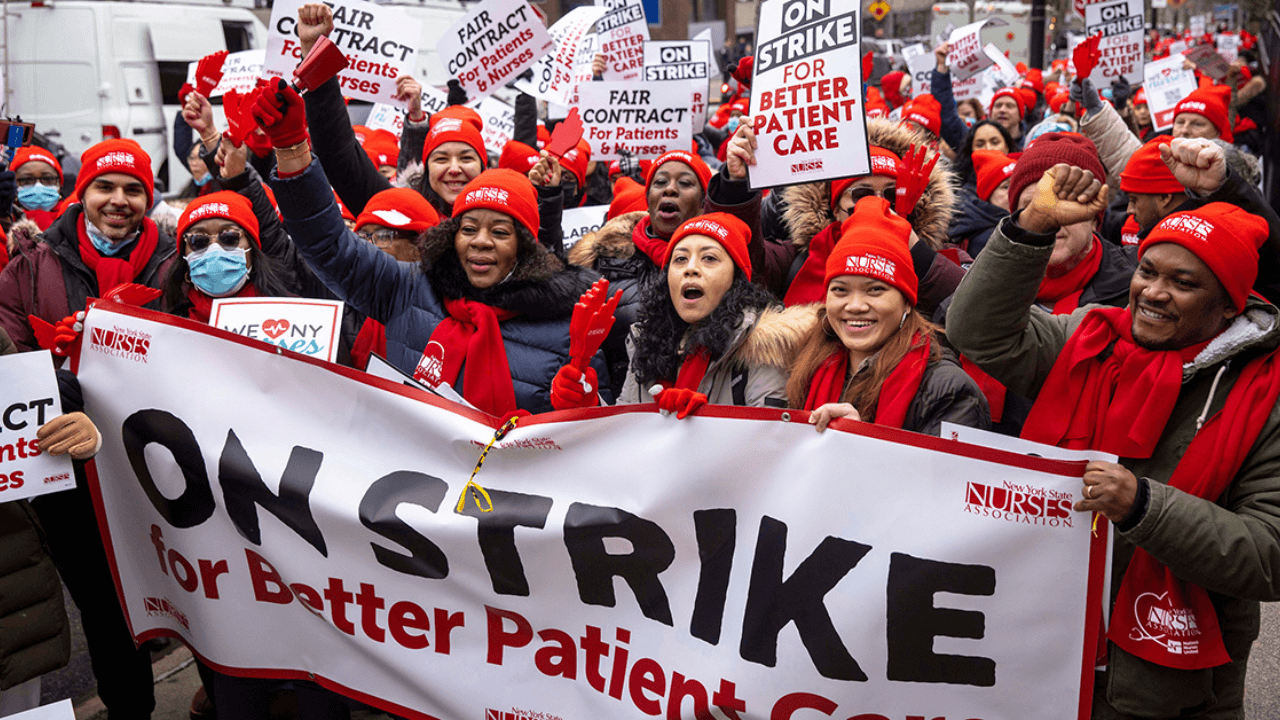
- Nearly 15,000 nurses launched New York’s largest nurses’ strike
- It covers New York Presbyterian, Montefiore and Mount Sinai
- Nurses describe emergency rooms with 90 patients and nine nurses
- Mount Sinai says 1,400 replacement nurses are available
NEW YORK, UNITED STATES — Nearly 15,000 nurses at major New York hospitals have launched the largest nurses’ strike in the state’s history, spotlighting the severe strain on the U.S. hospital staffing model.
In a report from PIX11 News, nurses at New York Presbyterian, Montefiore, and Mount Sinai have walked off the job, demanding higher pay, better security, and increased staffing, while elected officials and state regulators weigh in on the unfolding crisis.
Nurses warn of burnout, unsafe hospital staffing
At New York Presbyterian, where the strike drew some of the largest crowds, Mayor Zohran Mamdani joined elected leaders to show support for the nurses.
“All parties must return immediately to the negotiating table and not leave. They must bargain in good faith,” he said, highlighting the urgent need for dialogue.
Nurses participating in the strike depicted in graphic detail the pressures that have driven them to the picket lines.
“We’re talking an emergency room, let’s say, filled to the brink, 90 patients, and we have maybe nine nurses,” one nurse said, illustrating the dangerously high patient-to-nurse ratios that contribute to burnout.
Another nurse recounted recent violence on the job: “Just last week, one of my co-workers was punched in the chest by a patient and is now on medical leave. The week before that, a nurse was punched in the eye.”
New York State Attorney General Letitia James criticized hospital management for failing to meet basic staffing needs and for forcing nurses to train replacement staff during the strike.
“If these hospitals have money to hire scabs, then they’ve got money and resources to address the needs of these nurses,” she said.
Hospitals defend pay offers amid staffing crisis
Hospital management defended their stance, noting proposed wage increases and contingency staffing plans.
Montefiore described union demands as “reckless,” while New York Presbyterian highlighted wage enhancements and safety measures that “keep our nurses among the highest paid in the city.”
Mount Sinai emphasized its readiness to continue care, with 1,400 qualified replacement nurses available.
Yet the physical presence alone cannot sustain safe, continuous patient care under such pressures. The strike underscores the limits of a model that relies solely on domestic bedside staff.
Diversified approaches, including offshore telemetry monitoring, remote patient monitoring teams, and IT support, could ensure continuity without replacing nurses, offering a safety valve for hospitals and clinics during walkouts or staffing crises.
The strike against healthcare providers is not simply a labor dispute—it is a demonstration of system vulnerability.
The U.S. healthcare system is nearly shattered, and hospitals that do not consider flexible staffing options will continue to face staff burnout, lower-quality care, and operational disruptions.
Related news
- U.S. DEA likely to extend telehealth prescribing, uncertainty persists · 14 Jan
- U.S. House passes ACA subsidy extension, Senate uncertain · 13 Jan
- Medicaid cuts to disrupt U.S. healthcare in 2026: health leader · 10 Jan
Disclosure: Outsource Accelerator uses AI tools in the backend of its editorial workflow. Every article is reviewed and verified by a human editor before publication.
Stay ahead in healthcare outsourcing. Join thousands of healthcare and business leaders who rely on Outsource Accelerator for the news, trends, and expert insights shaping medical BPO and the future of care delivery. Subscribe to our free newsletter and never miss an update.








