
U.S. workers fear violence and burnout at work, survey finds

- The September 2025 poll covered 1,000 U.S. workers
- 46% fear a coworker could turn violent
- 43% have taken time off for burnout or mental health stress
- 63% of Gen Z consider quitting monthly over burnout
NEW YORK, UNITED STATES — A nationwide survey in the United States reveals that American workers‘ concept of workplace safety has dramatically expanded beyond physical hazards, with widespread fear of coworker violence, debilitating burnout, and psychological harm driving absenteeism and turnover.
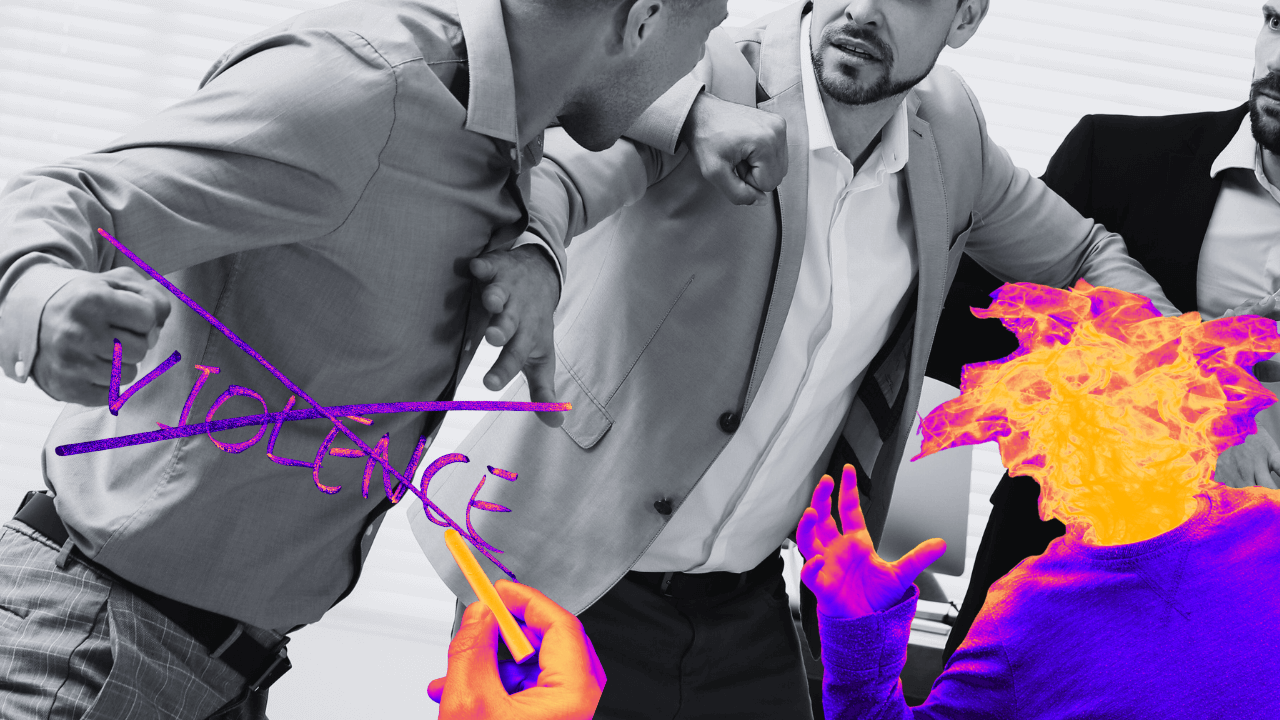
Commissioned by Florida-based telecommunications provider EMCI Wireless and conducted in September 2025, the poll of 1,000 United States workers found 46% fear a coworker could turn violent.
Safety shifts from physical to mental health
The Good Men Project reports that the modern workplace safety crisis is increasingly psychological in nature. Mental well-being is a dominant concern, as 43% of Americans have taken time off due to burnout or mental health stress, and one in four have quit a job over these safety issues.
This represents a fundamental shift from traditional safety paradigms. The survey confirms that safety is “no longer limited to ladders and fire exits,” with 41% of Gen Z reporting emotional harm or dual injury at work.
As the report notes, “Mental and emotional well-being now play a major role.”
The most significant stressors driving this burnout are high workloads and unrealistic expectations, not cultural or political differences, directly impacting retention and daily focus.
Gen Z most distressed at work
Generational lines are sharp regarding perceptions of workplace safety and workplace experiences. Gen Z employees have the highest rates of distress, with 63% having considered quitting at least once a month due to burnout, compared with 47% of Americans.
Their top safety fears are physical injury and mental burnout, unlike other generations, which rank health outbreaks like COVID-19 as the primary concern.
This divide extends to solutions and emerging risks. Gen Z is the least restrictive against firearms in their workplace, as only 48% of them believed armed colleagues would make them feel safer, whereas only 15% of baby boomers agreed.
Additionally, 21% of Gen Z say they take on risky jobs because they fear being replaced by AI. In contrast, only 5% of baby boomers report this, highlighting how technological anxiety contributes to safety calculus among young employees.
Low pay, job fear, and risky work
Economic insecurity and institutional distrust are forcing workers into dangerous compromises and eroding confidence in safety systems.
Nearly one in four Americans accepts dangerous work responsibilities out of fear of being fired, prioritizing income over personal safety.
This pressure is most acute for lower-income workers, with 27% of those earning under $50,000 accepting such risks, nearly triple the rate of workers earning over $150,000.
These pressures are in the context of a perceived institutional failure. Although 84% of workers report that their employer has an emergency plan, only 55% clearly understand it, indicating a severe preparedness deficit.
The lack of trust is further exacerbated by the fact that 53% of people have experienced or witnessed a hostile verbal conflict at work, and almost one in every five people feels uneasy reporting safety concerns because they are afraid of retaliation, indicating that the psychological safety mechanisms are inadequate.
The report suggests, “This trust gap highlights the need for clearer communication, stronger training, and better preparedness across organizations.”
“Employers who invest in communication, clarity, and worker well-being are more likely to retain engaged, focused, and resilient teams.”
This holistic redefinition of safety—where psychological well-being, generational divides in risk perception, and systemic economic pressures converge—will compel organizations to radically redesign work paradigms, making comprehensive mental and physical health protections a core operational imperative rather than a peripheral benefit.
Related news
- 38% of U.S. workers witness workplace harassment — Traliant survey · 11 Feb
- 72% of U.S. workers now rely on secondary income: MyPerfectResume · 17 Feb
- AI human trainers weigh high pay against job risk · 17 Jan
Disclosure: Outsource Accelerator uses AI tools in the backend of its editorial workflow. Every article is reviewed and verified by a human editor before publication.
Stay ahead of the outsourcing industry. Join thousands of business leaders who rely on Outsource Accelerator for the news, trends, and expert insights that matter. Subscribe to our free newsletter and never miss an update.








