
Infosys forecast lifts India IT stocks amid AI, visa pressures

- Infosys raised its full-year sales forecast
- Its stock jumped more than 10% in New York and Mumbai
- TCS net income fell 14% and Infosys 2.2%
- TCS AI services revenue reached $1.8 billion annualized
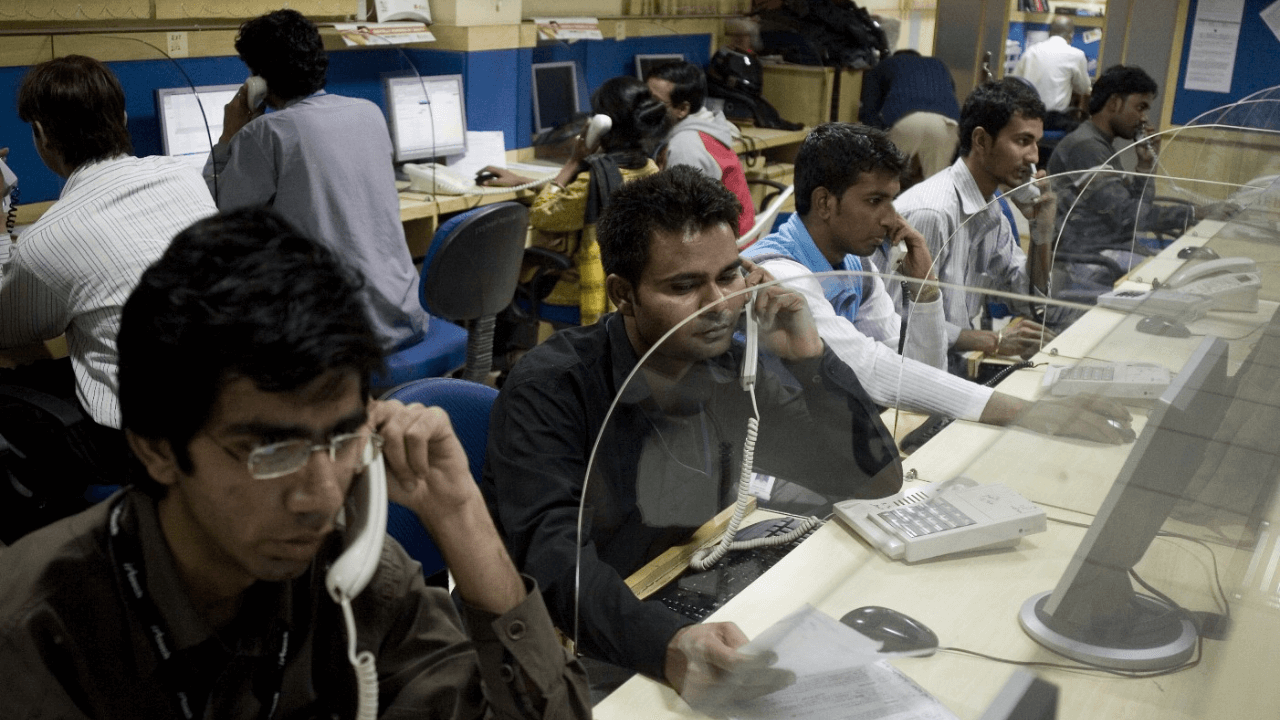
MUMBAI, INDIA — Optimism rippled through India’s more than US$200 billion outsourcing industry after Infosys raised its full-year sales forecast, sparking a more than 10% jump in its stock in New York and Mumbai.
The boost highlights hope that large client orders may be returning, even as the sector grapples with rising labor costs, AI-driven disruption, and stricter United States visa rules—challenges that analysts warn could temper the celebration.
Short-term profit pain for Infosys and TCS
According to a report from The Economic Times, both Infosys and its larger rival, Tata Consultancy Services (TCS), are facing immediate profit pressures. TCS reported a 14% drop in net income this week, missing analysts’ estimates, while Infosys posted a 2.2% decline.
Part of the turbulence reflects India’s new labor codes, which “have forced employers to bump up gratuity and other compensation liabilities,” the report noted.
The industry’s hybrid model—engineers stationed at client offices abroad coordinating with teams back in India—is under strain.
In the U.S., the largest market, the Trump-era overhaul of the H-1B work visa program, including a $100,000 fee for new entrants, threatens to raise operating costs.
On the other hand, orders for traditional enterprise software are slowly diminishing, making it harder for many software developers to earn middle-class wages due to global trade conflicts and increased economic insecurity.
Agentic AI lifts revenue but threatens coders’ jobs
The industry is also navigating the rise of agentic AI, software capable of making decisions and taking action independently.
According to TCS, its AI services revenue “swelled in the September-December quarter to $1.8 billion, annualized.”
“We remain steadfast in our ambition to become the world’s largest AI-led technology services company,” said K. Krithivasan, CEO of TCS.
Yet AI also presents challenges. As some engineers become dramatically more productive using platforms like Claude Code, many programmers risk obsolescence.
The report highlighted that India’s top five outsourcing firms “have managed to raise labor productivity by less than 2% annually” over the past decade, leaving profit per worker nearly unchanged.
The global investors will only regain confidence if companies can extract demonstrably more value per employee, potentially through bigger workforce reductions or more aggressive investment in AI-driven tools.
As the sector adjusts to AI, stricter visa regimes, and rising labor costs, its long-term viability remains in question.
The optimistic note struck by Infosys may have momentarily lifted sentiment, but outsourcing firms must reconcile workforce realities with technological transformation.
Success in a global technology landscape that is rapidly evolving will rely not only on revenue forecasts but also on the industry’s capacity to effectively increase productivity in a sustainable way while dealing with regulatory and economic challenges.
Related news
- AI to drive personalized medicine outsourcing to $281Bn by 2032: SNS · 23 Oct 2025
- Global telecom outsourcing market to hit $130Bn by 2033: MRI · 18 Oct 2025
- Finance outsourcing providers deploy AI as strategic partners: ISG · 30 Sep 2025
Disclosure: Outsource Accelerator uses AI tools in the backend of its editorial workflow. Every article is reviewed and verified by a human editor before publication.
Stay ahead of the outsourcing industry. Join thousands of business leaders who rely on Outsource Accelerator for the news, trends, and expert insights that matter. Subscribe to our free newsletter and never miss an update.








