
31k Kaiser workers strike again over staff wages, patient care

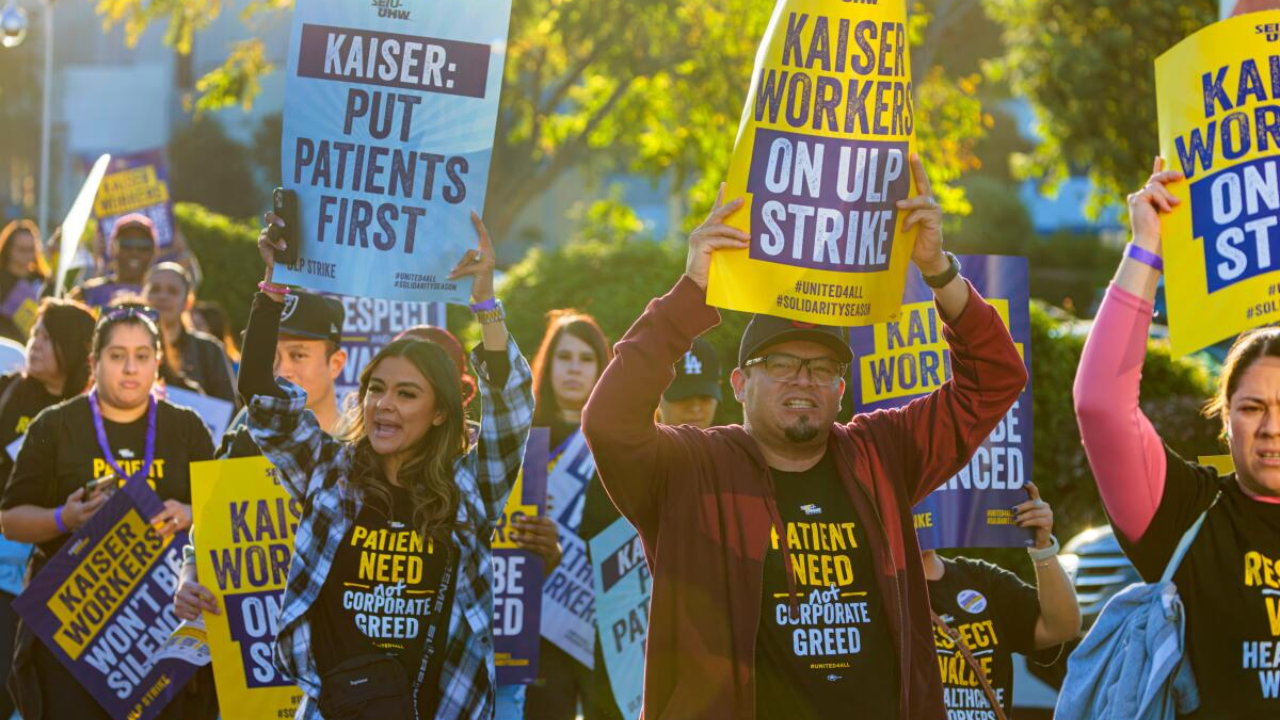
- About 31,000 Kaiser Permanente workers began an open-ended strike
- It started January 26
- The action affects 20 hospitals and about 200 clinics
- It follows a five-day strike in October
NEW YORK, UNITED STATES — About 31,000 Kaiser Permanente healthcare workers will launch an open-ended strike on January 26, renewing pressure on one of the nation’s largest nonprofit health systems and raising concerns about staffing, patient access, and clinician burnout across the United States healthcare system.
The walkout will involve nurses and other healthcare professionals represented largely by the United Nurses Associations of California/Union of Health Care Professionals and is expected to affect 20 hospitals and about 200 clinics in California and Hawaii.
According to a report from MedCity News, Kaiser has announced that its facilities will continue to operate, but the organization cautioned patients about upcoming service disruptions, which will include appointment changes and potential pharmacy shutdowns.
Labor dispute driven by staffing crisis and burnout
For frontline clinicians, the strike underscores what workers describe as a growing disconnect between workload demands and available staff.
Union leaders argue that chronic understaffing, together with rising administrative pressures, combine to create situations that already delay patient care while pushing experienced healthcare providers to leave the system, thus creating more workforce shortages, which hospitals throughout the country need to handle.
Kaiser, in a statement released, said national labor talks have stalled despite what it described as significant progress and a “historic” wage proposal.
The health system blamed unions for bad-faith tactics and said moving unresolved issues to local negotiations is the most practical way to settle pay and benefits.
Workers, however, frame the dispute as a patient safety and retention crisis rather than a traditional wage fight. Cameron Cook, a nurse anesthetist at Kaiser’s Redwood City hospital, said clinicians are fighting to protect existing benefits and working conditions.
“While Kaiser does push this idea that they’re offering a very generous wage increase, they’re hiding the fact that they’re actually trying to cut a lot of our benefits and retirement and healthcare, as well as our ability to control our own scheduling,” Cook said.
Impact on hospital operations and patient safety
Healthcare providers say staffing shortages have tangible consequences inside hospitals and clinics, from delayed appointments to canceled procedures and strained communication. Cook said these issues affect both clinicians and patients.
“I have a child who has a permanent disability, so we are constantly going to Kaiser,” he said, describing difficulties securing follow-up care after a major surgery.
“We eventually just had to stop trying because no one would get back to us,” Cook added.
For health systems across the U.S., the strike highlights ongoing tensions between financial pressures and care delivery.
Large integrated systems like Kaiser have long been viewed as models for coordinated care. Workers at the organization say that when management prioritizes cost control instead of investing in staffing, it will lead to trust violations between providers and patients.
“We do like Kaiser. We believe in Kaiser,” Cook said.
“But we are starting to see corporate interests creep in, and frankly, they’re losing their way,” he added.
The dispute follows a similar five-day strike in October by the same group of workers, signaling unresolved challenges that many healthcare organizations continue to face as they balance workforce sustainability with patient care demands.
Related news
- U.S. health systems rebound in Q3 2025; outsourcing, virtual care help · 4 Dec 2025
- U.S. healthcare system buckles with closures, mass layoffs in H2 2025 · 15 Aug 2025
- U.S. ACA tax credits to end, healthcare premiums set to double by 2026 · 18 Nov 2025
Disclosure: Outsource Accelerator uses AI tools in the backend of its editorial workflow. Every article is reviewed and verified by a human editor before publication.
Stay ahead in healthcare outsourcing. Join thousands of healthcare and business leaders who rely on Outsource Accelerator for the news, trends, and expert insights shaping medical BPO and the future of care delivery. Subscribe to our free newsletter and never miss an update.








