
Philippines senator backs BPO workers rights amid alleged labor abuses

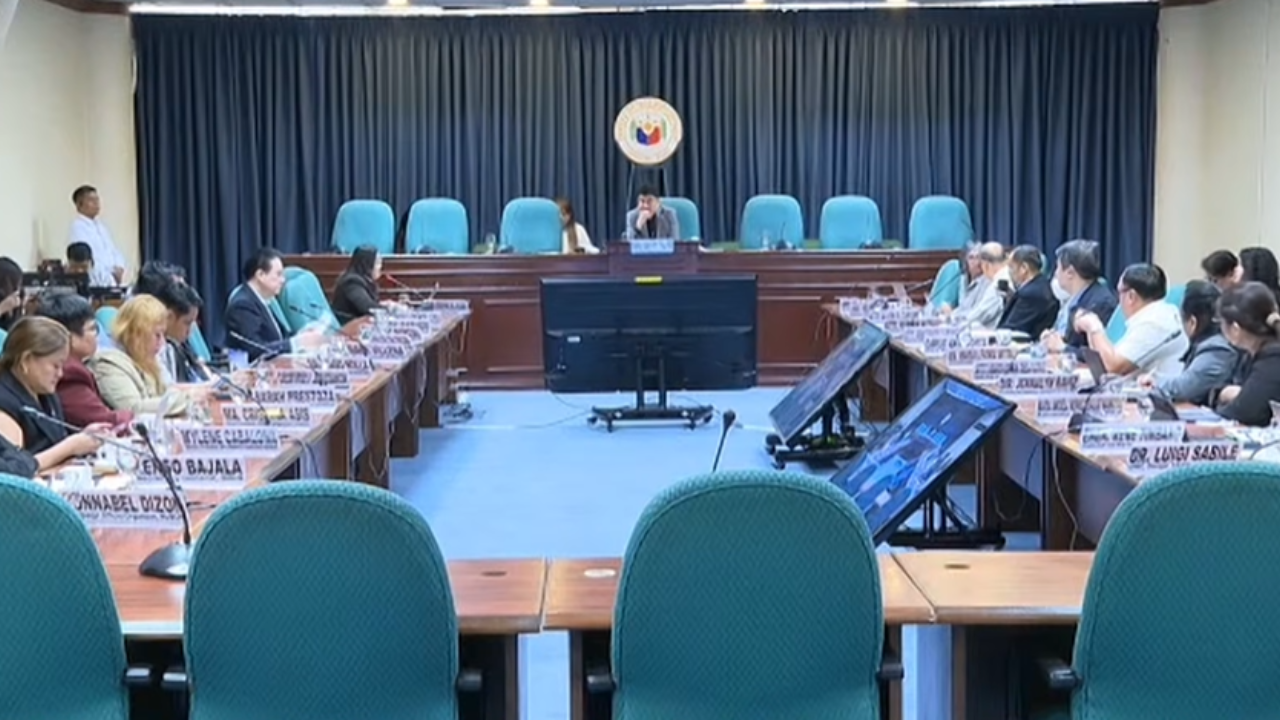
- A Senate hearing aired BPO labor complaints on January 21
- 1.82 million Filipinos work in the industry
- Workers cite inadequate HMO coverage and safety violations
- Senate Bill No. 1493 would guarantee job security and benefits
MANILA, PHILIPPINES — Philippine Senator Raffy Tulfo is calling for stronger protections for workers in the country’s booming business process outsourcing (BPO) industry, as employees aired grievances over alleged labor violations during a Senate hearing.
In a press release from the Philippine Senate, the push highlights growing concerns over worker welfare in an industry that employs nearly 2 million Filipinos and rivals overseas remittances in economic contribution.
BPO workers detail unsafe conditions and health risks
At a Senate Committee on Labor hearing on January 21, BPO employees detailed complaints about the lack of benefits and unsafe working conditions.
The violations included several Occupational Safety and Health (OSH) standards violations, which occurred because the health maintenance organization (HMO) coverage was not sufficient.
Workers reported that they consistently pay for their medical expenses during both check-ups and emergency situations, which created concerns about their capacity to maintain good health.
Some employees also alleged that companies prohibit the formation of labor unions. The companies require workers to sign documents that prevent them from joining or creating organizations.
“Currently, there are 1.82 million Filipinos working in the BPO industry, and they make a significant contribution to our economy—almost on par with the remittances of overseas Filipino workers,” Tulfo said.
“However, unknown to many, the BPO industry is also riddled with complaints and labor law violations,” he added.
Workers expressed distrust in the Philippine Department of Labor and Employment (DOLE), claiming the agency often sides with management.
They alleged that during inspections, DOLE officials speak only with human resources personnel instead of interviewing workers directly.
Legislative push for stronger BPO labor protections
Tulfo criticized DOLE officials for overlooking frontline employees during inspections.
“When you conduct inspections, you should not only talk to HR or management. You should talk to the workers and visit them in their actual workplace. Check on their working conditions,” he said.
The senator reiterated his commitment to Senate Bill No. 1493, or the BPO Workers’ Welfare and Protection Act, which seeks to guarantee job security, overtime pay, leave benefits, and other mandatory protections.
The proposed legislation also mandates safe and humane working conditions, mandatory health insurance coverage, rest breaks, and protection of workers’ rights to self-organization.
The BPO sector is a key driver of the Philippine economy and a major employer in Asia.
Strengthening labor protections will deliver benefits to workers while improving the sector’s sustainability and reputation, which will result in increased foreign investments.
As the Philippines remains a leading outsourcing hub in the region, worker rights disputes will demonstrate how to achieve productive work while maintaining human rights standards.
Separate industry initiatives to protect BPO workers
Before labor grievances were raised in the Philippine Senate, the IT and Business Process Association Philippines (IBPAP) and the Philippine Department of Labor and Employment had earlier reaffirmed ongoing efforts to protect BPO employees and strengthen confidence in the industry, as public criticisms are directed against outsourcing firms.
“Our industry and government are united in safeguarding the welfare of Filipino workers and the integrity of the IT-BPM sector,” IBPAP said in a statement.
In the same vein, several BPO operators in Cebu demonstrated their disaster preparedness capacity through their employee protection systems, which showed their ability to handle emergency situations.
The outsourcing sector shows a more complex development through these efforts as the industry faces labor rights issues while organizations work to enhance operational standards and accountability measures.
As the Philippines continues to position itself as a leading global outsourcing hub, how effectively the industry balances growth, worker protection, and public trust will likely shape its long-term competitiveness.
Related news
- Philippines gaming regulator backs special class BPO sector · 22 Feb 2025
- Philippine senator files bill to boost job security for BPO workers · 18 Nov 2025
- Philippines pushes new bill to protect BPO employees · 14 Nov 2025
Disclosure: Outsource Accelerator uses AI tools in the backend of its editorial workflow. Every article is reviewed and verified by a human editor before publication.
Stay ahead of the outsourcing industry. Join thousands of business leaders who rely on Outsource Accelerator for the news, trends, and expert insights that matter. Subscribe to our free newsletter and never miss an update.








