
Madagascar to train thousands for digital CX and BPO jobs by 2028

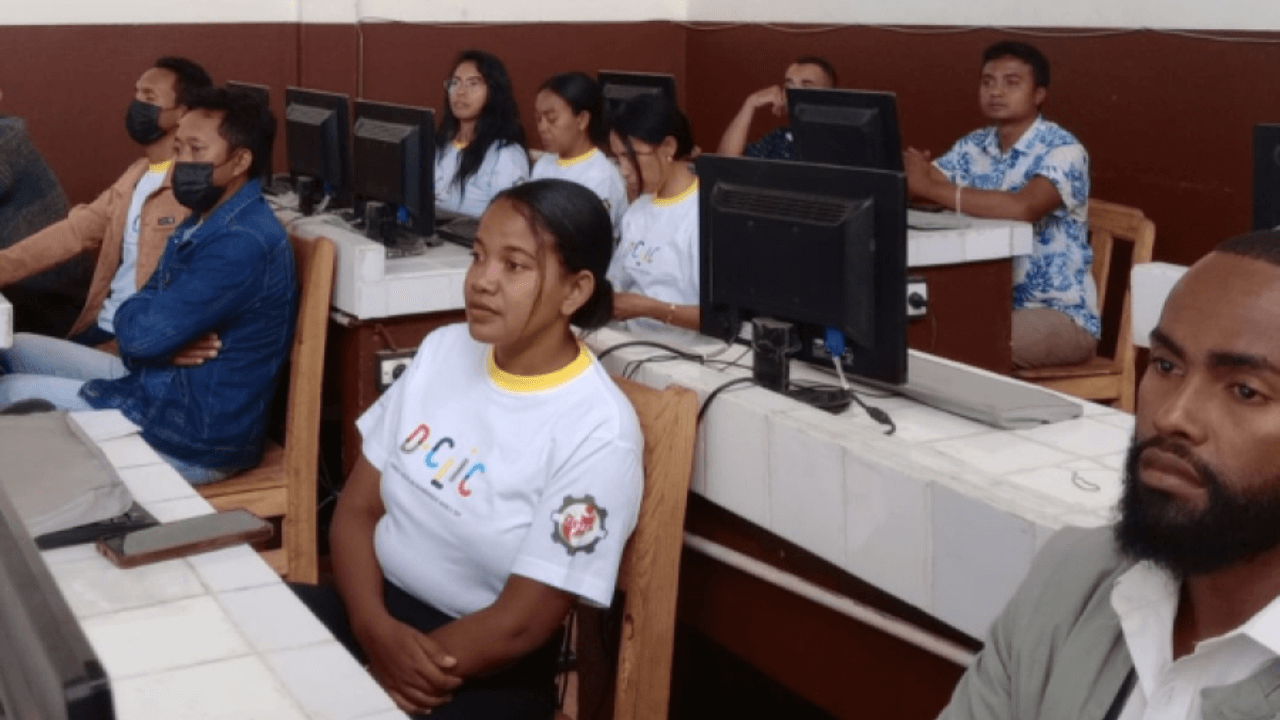
ANTANANARIVO, MADAGASCAR — Madagascar has launched a sweeping effort to equip its youth with digital skills, positioning the country to tap into the growing African and global digital economy.
On January 29, the Madagascar government launched the ASAN’AI program, aiming to train 1,300 young people in digital customer service and business process outsourcing (BPO) roles, as part of a larger plan to upskill tens of thousands by 2028.
Bridging the digital skills gap in BPO and tech
According to a report from the Ecofin Agency, the ASAN’AI initiative focuses on two tracks: operational roles and middle management.
The “Production Agents” track will prepare youth for multichannel customer service jobs that integrate customer relationship management (CRM) tools and artificial intelligence (AI), including call center agents, telemarketers, and customer support specialists.
Meanwhile, the program provides training for supervisory and managerial positions through its training program which teaches team managers, supervisors and operations controllers.
According to the Ministry of Digital Development, Posts, and Telecommunications, the program is designed to address a persistent shortage of qualified, job-ready profiles.
“Digital technology is for everyone. It is not limited to computers, the Internet, or applications, but represents a major asset and an open door to employment, skills, and the future for young people,” the Ministry noted.
“It is time for Malagasy youth to take responsibility and prove that they have the strength, talent, and capacity needed to meet the challenges of the world of work and adapt to changes driven by globalization,” the Ministry added.
Global partnerships driving Madagascar’s digital growth
ASAN’AI complements several other digital programs. The D-CLIC program, promoted by the International Organization of La Francophonie, will provide free training to 1,000 youth by the end of 2026, beginning with the training of national instructors.
Madagascar’s Skills4Job program started in 2025 with 51 participants in Toamasina and is set to expand nationwide, while the government’s National Digital Institute plans to train 3,000 youth annually.
International partnerships provide additional support through the 2024 agreement with the United Arab Emirates (UAE), which aims to educate one million young people about new technologies, and the establishment of Campus 42 in Antananarivo, which delivers three years of programming and digital skills training.
While digital opportunities are growing, structural challenges remain.
More than 40% of Malagasy aged 18 to 35 were unemployed in 2024, with barriers including a lack of training, experience, and alignment with labor market needs.
Internet penetration stood at just 20.4% at the end of 2025, highlighting access issues in rural areas.
The development of digital skills through digital talent training programs will enhance Madagascar’s ability to compete in the outsourcing and BPO industry, which serves as a vital component of the country’s digital economy.
The country can acquire investments while expanding international partnerships and creating youth employment opportunities through its skilled workforce development efforts, which show how targeted training programs can achieve global labor market requirements.
Related news
- Hacker claims 38Mn accounts stolen via Zendesk in ManoMano data breach · 14 Feb
- Sourcefit launches AI-driven EOR platform to streamline global hiring · 12 Jun 2025
- Philippine healthcare BPOs adopt applied learning to upskill talent · 2 Feb
Disclosure: Outsource Accelerator uses AI tools in the backend of its editorial workflow. Every article is reviewed and verified by a human editor before publication.
Stay ahead of the outsourcing industry. Join thousands of business leaders who rely on Outsource Accelerator for the news, trends, and expert insights that matter. Subscribe to our free newsletter and never miss an update.








