
Bangladesh’s BNP pledges 1Mn tech jobs in new digital economy plan

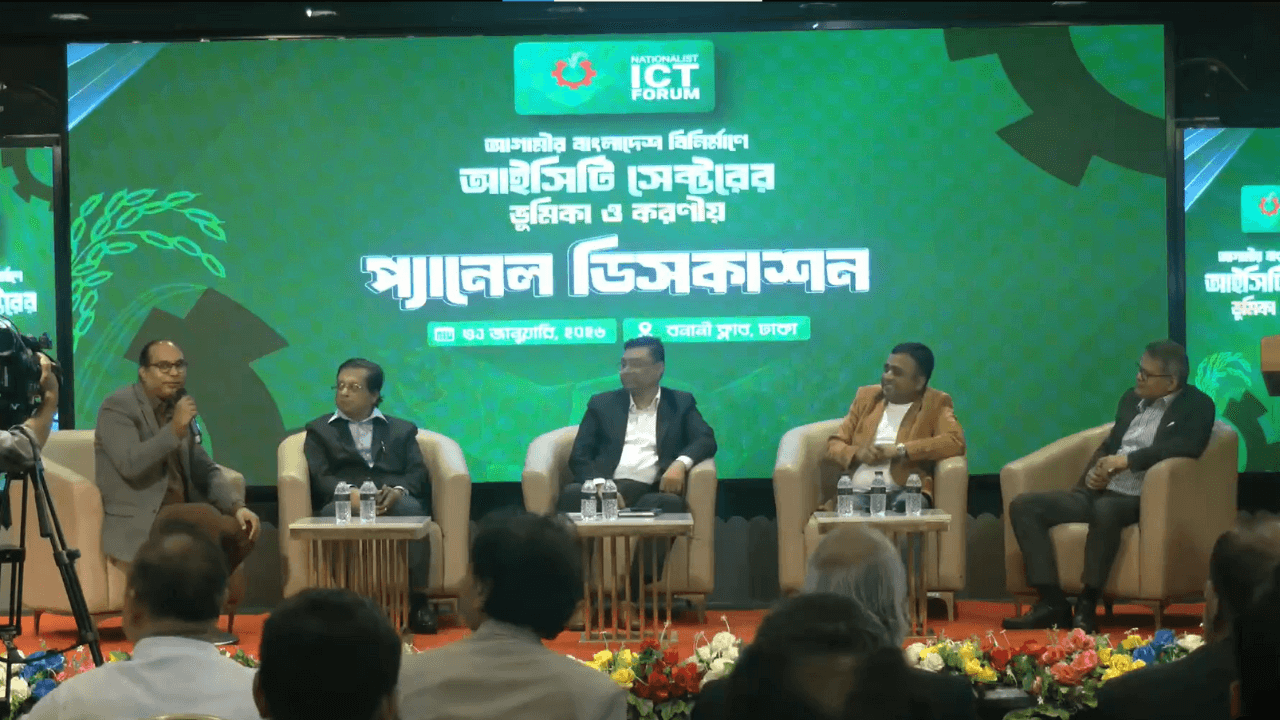
- The BNP proposed a seven-point ICT roadmap for Bangladesh
- It promises one million jobs and 95% high-speed internet coverage
- 200,000 would be direct roles in BPO, AI and semiconductors
- The party targets ICT at 5% to 10% of GDP by 2036
DHAKA, BANGLADESH — The Bangladesh Nationalist Party (BNP) has proposed a plan to reshape the country’s digital economy, promising one million new jobs, widespread internet access, and a cloud-first strategy aimed at safeguarding national data.
The proposal positioned technology as the primary driver of economic development which operates alongside established industries like garments and money remittances.
BNP’s seven-point roadmap for ICT growth
According to a report from The Financial Express, at the seminar organized by the Nationalist ICT Forum, titled “The Role of the ICT Sector and the Way Forward in Building Tomorrow’s Bangladesh”, BNP’s Information and Technology Affairs Secretary AKM Wahiduzzaman outlined the party’s seven core priorities.
These include universal internet access, a cash-light economy, and the creation of one million jobs, supported by the launch of Bangladesh’s first AI-driven data center campus.
Wahiduzzaman announced that the party intends to provide high-speed internet access to 95% of the population while launching a national e-wallet service within six months of assuming office.
“Our target is to ensure that the ICT sector contributes between five and 10% of GDP by 2036,” he said.
The plan will create 200,000 direct employment opportunities through its implementation across cybersecurity, business process outsourcing (BPO), artificial intelligence (AI), and semiconductor industries. It will also generate 800,000 indirect jobs through its implementation in freelancing and content creation work.
The party emphasized the establishment of locally controlled cloud systems which included Tier-3 and Tier-4 data centers as a means to safeguard citizen data while decreasing dependence on international data services.
Citizen-centric digital services and free internet
Mahdi Amin, BNP’s Election Management Committee spokesperson, highlighted the party’s vision for affordable internet and phased free access in public institutions, including schools, hospitals, offices, and transportation hubs.
The proposed digital services aim to simplify citizens’ lives through AI-enabled systems, such as farmer cards, family cards prioritizing women, health cards, connected learning systems, automated land and tax management, and digital emergency and security services.
“The main purpose of ICT is to make people’s lives easier. Technology should serve public welfare rather than create harassment,” said Moyeen Khan, BNP Standing Committee member.
Diversifying Bangladesh’s economy beyond garments
Journalist and policy analyst Maruf Mallick said that if executed effectively, ICT could become a major economic pillar alongside garments and remittances.
The export targets combined with digital infrastructure development demonstrate potential to maintain traditional sector performance while establishing Bangladesh as a competitive force in global outsourcing and BPO services which depend on AI, cloud computing and tech-enabled freelancing.
Related news
- Bangladesh turns to AI outsourcing for new growth: editorial · 5 Dec 2025
- Hexaware taps Sri Lanka’s tech talent to power global AI ambitions · 18 Sep 2025
- Bangladesh’s BPO exports surge as AI adoption bridges skills gap · 27 Aug 2025
Disclosure: Outsource Accelerator uses AI tools in the backend of its editorial workflow. Every article is reviewed and verified by a human editor before publication.
Stay ahead of the outsourcing industry. Join thousands of business leaders who rely on Outsource Accelerator for the news, trends, and expert insights that matter. Subscribe to our free newsletter and never miss an update.








