
Block cuts 40% of staff as Dorsey bets on AI-driven efficiency

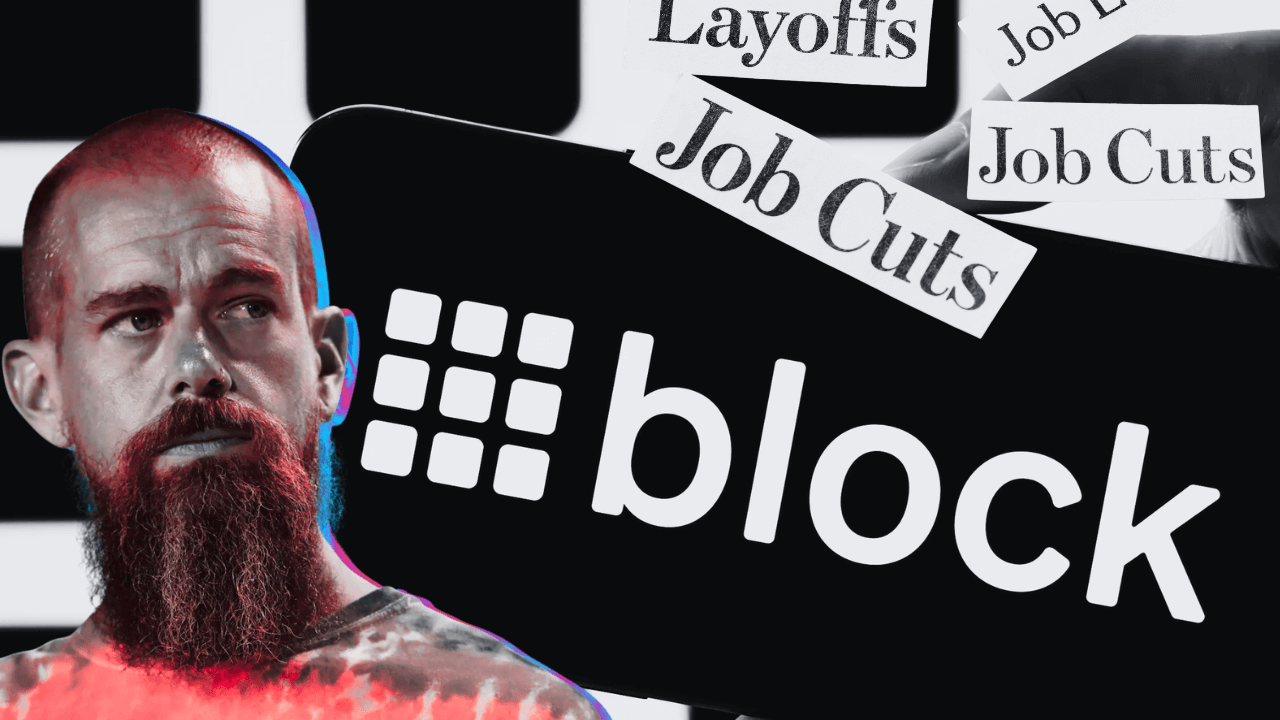
- Block is cutting approximately 40% of its workforce
- That affects over 4,000 employees, leaving under 6,000
- Block shares rose by up to 24% on the announcement
- Headcount had expanded by over 10,000 since the pandemic
CALIFORNIA, UNITED STATES — Block, the financial technology firm co-founded by Jack Dorsey and parent company to Square, Cash App, and Afterpay, is reducing its workforce by approximately 40%, a move that will impact over 4,000 employees.
The dramatic reduction, which brings the total headcount down to under 6,000, is being directly attributed to the company’s rapid adoption of artificial intelligence and “intelligence tools” that Dorsey argues allow a smaller team to operate more effectively.
How AI is driving Block’s massive job cuts
The decision to significantly reduce the workforce is not a reaction to financial distress but a proactive response to the capabilities of modern technology.
Dorsey notes in a shareholder letter, “A significantly smaller team, using the tools we’re building, can do more and do it better. And intelligence tool capabilities are compounding faster every week.”
The company believes that by doing so, it will be able to restructure on its own terms rather than being compelled to react to future changes.
The operational logic behind the layoffs was further detailed by Block Chief Financial Officer (CFO) Amrita Ahuja, who framed the cuts as “an opportunity to move faster with smaller, highly talented teams using AI to automate more work.”
Dorsey signaled that the company’s significant layoffs are a proactive move to correct “pandemic-era” overhiring, issuing an indictment of other firms he believes will be “forced” into reactive cuts.
Tech industry layoffs: AI trends and pandemic overhiring
Block alone had expanded its employee count by over 10,000 since the announcement, a trend also observed in other large technology companies, such as Meta, which almost doubled its employee count during the same period.
Dorsey acknowledged this shift, stating that he believes most companies are actually late to this realization and will make similar structural changes within the next year.
In an X post, he opted to implement the cuts decisively rather than “cut gradually over months or years” to get ahead of what he views as an inevitable industry trend.
we're making @blocks smaller today. here's my note to the company.
####
today we're making one of the hardest decisions in the history of our company: we're reducing our organization by nearly half, from over 10,000 people to just under 6,000. that means over 4,000 of you are…
— jack (@jack) February 26, 2026
The reaction of investors to the large-scale force cut has been favorable, reflecting the market’s sentiment toward efficiency and profitability in the prevailing economic environment.
The announcement saw Block shares rise by up to 24%, a positive indication of shareholders’ approval of the cost-cutting measures.
The layoffs come as major AI developers like Anthropic continue to roll out tools designed to automate knowledge work, with recent updates to models like Claude showing improved performance in human resources, design, and wealth management.
As AI reshapes the landscape, companies including Amazon, Meta, and Microsoft have made sweeping cuts over the past year, with Amazon specifically citing a need for “fewer layers” to operate quickly in the age of what it calls the most transformative technology since the internet.
Dorsey notes, “We’re going to build this company with intelligence at the core of everything we do. How we work, how we create, how we serve our customers.”
“Our customers will feel this shift too, and we’re going to help them navigate it: towards a future where they can build their own features directly, composed of our capabilities and served through our interfaces.”
Block’s aggressive workforce reduction—driven by AI efficiency and rewarded by investors—signals a definitive shift in tech’s operating logic, positioning AI as a catalyst for a leaner corporate structure that other knowledge-sector companies may soon be forced to emulate.
Related news
- AI layoffs raise questions over whether automation is driving job cuts · 20 Mar
- AI cuts entry-level jobs while enabling one-person businesses · 2 Apr
- Meta layoffs signal AI-driven job risks worldwide · 4 Apr
Disclosure: Outsource Accelerator uses AI tools in the backend of its editorial workflow. Every article is reviewed and verified by a human editor before publication.
Stay ahead of the outsourcing industry. Join thousands of business leaders who rely on Outsource Accelerator for the news, trends, and expert insights that matter. Subscribe to our free newsletter and never miss an update.








