
Sexual harassment is a workplace safety risk, not just HR issue — AIHS

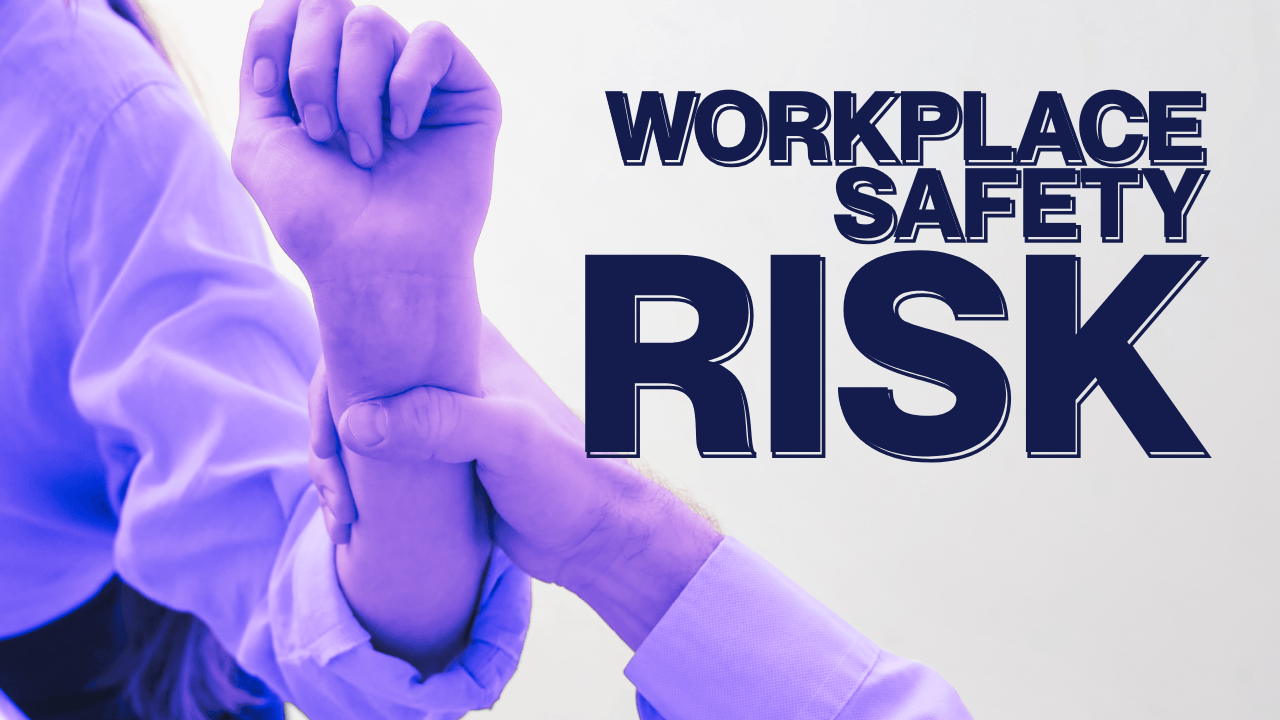
- AIHS urges treating sexual harassment as a workplace safety risk
- Australia’s positive duty obliges employers to prevent harassment
- Only 60% of WHS professionals consider workers safe to report
- Recommendations include prevention-by-design and secure transport
VICTORIA, AUSTRALIA — The Australian Institute of Health & Safety (AIHS) is urging business leaders to fundamentally reframe how they address sexual harassment, demanding it be treated as a preventable workplace health and safety (WHS) risk rather than an isolated human resources matter.
Issued ahead of International Women’s Day, the statement emphasizes that systematic prevention is essential to protecting workers’ wellbeing and ensuring gender equality. It cites data revealing that women continue to be disproportionately affected by workplace sexual violence.
Celia Antonovsky, Chair of AIHS, noted, “This International Women’s Day, and every day, all Australian businesses have a responsibility to take proactive steps to systematically build workplaces grounded in safety and respect.”
Why sexual harassment is a workplace safety hazard
In a Human Resource Directors report, the AIHS warns that sexual harassment causes severe psychological, physical, social, and economic harm.
“Sexual harassment cannot be handled behind closed doors or treated as a standalone HR matter,” the organization stressed.
Antonovsky emphasized that the issue must be systematically prevented and handled in the same rigorous systems as any other occupational hazard.
This approach shifts focus from reactive complaint management to proactive hazard detection and management.
To justify this, the AIHS points to recent developments, noting that the Australian government has introduced the “positive duty,” imposing on employers the legal obligation to prevent sexual harassment actively.
However, the organization cites an alarming disconnect between policy and practice; another report released by AIHS found that only 60% of WHS professionals consider workers sufficiently safe to report incidents.
According to Antonovsky, these numbers show that, despite barriers to reporting and deeper cultural issues in workplaces, workplaces have not yet implemented a systemic approach to safety, which is why the need to discuss underreporting remains relevant.
“Every worker has the right to feel safe, respected, and supported at work. Preventing sexual harassment is essential to protecting women’s wellbeing, confidence, and participation in the workforce,” she said.
Strategies to prevent workplace sexual harassment
The AIHS outlines risk-mitigation priorities that go beyond fundamental policies and training, promoting “prevention-by-design” to address the root causes of harassment.
Among the core recommendations are:
- Appropriate workload and supervision arrangements
- Safe physical environments
- Secure accommodation and transport
- Reduction of isolated and remote work risks
- Clear organizational structures and reporting lines
Moreover, the AIHS stresses the necessity of apparent leadership engagement and trauma-informed response to address the danger of sexual harassment efficiently.
The guidelines recommend that employers implement psychologically safe and confidential reporting systems that operate without line management oversight, and that they manage the risks posed by dealings with third parties, such as customers, clients, and contractors.
AIHS concludes, “Sexual harassment is a preventable workplace health and safety risk. Through strong leadership, integrated systems, prevention-by-design, and positive workplace cultures, [organizations] can eliminate sexual harassment.”
The intervention of the AIHS indicates a larger change whereby sexual harassment can become more of a fundamental occupational hazard that can transform how employers structure safety systems and reporting frameworks, as well as employer responsibility.
Related news
- 38% of U.S. workers witness workplace harassment — Traliant survey · 11 Feb
- Mexico ties green jobs to fight against gender violence · 3 Dec 2025
- Clear office dating policies urged to curb legal risks · 25 Feb
Disclosure: Outsource Accelerator uses AI tools in the backend of its editorial workflow. Every article is reviewed and verified by a human editor before publication.
Stay ahead of the outsourcing industry. Join thousands of business leaders who rely on Outsource Accelerator for the news, trends, and expert insights that matter. Subscribe to our free newsletter and never miss an update.








