
U.S. lawmakers probe $500K Medicaid fraud amid billing gaps

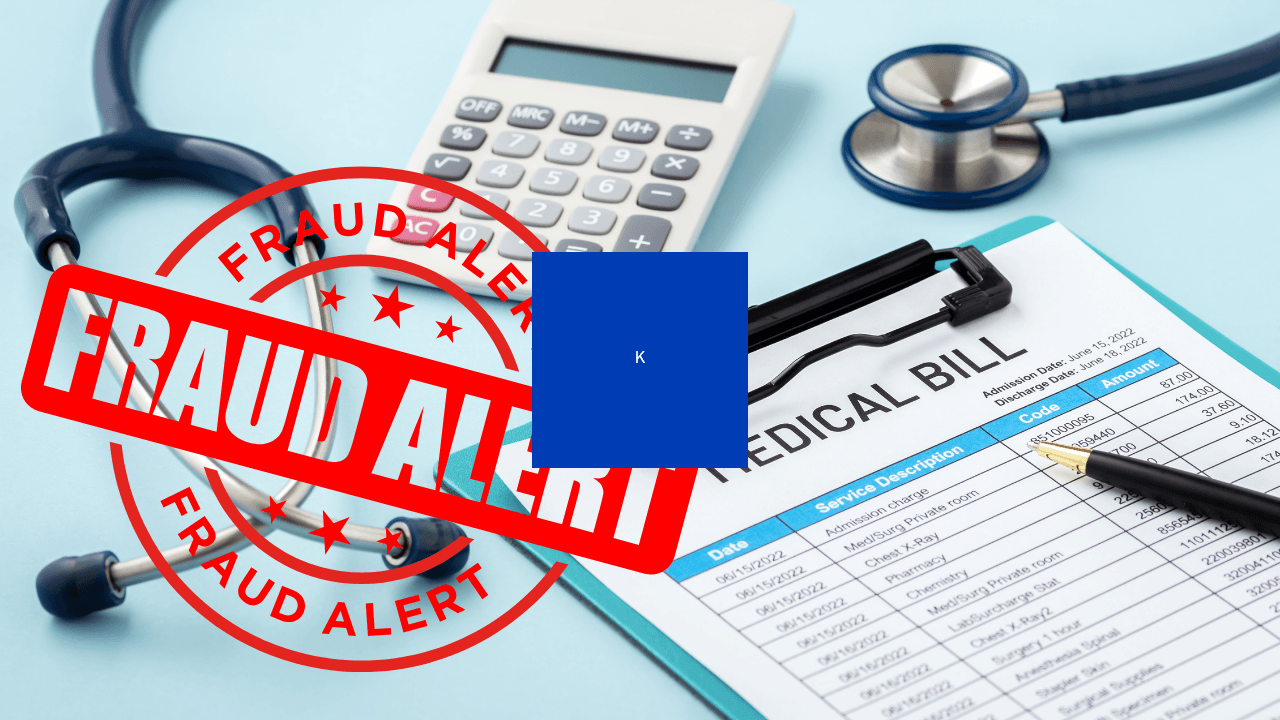
MASSACHUSETTS, UNITED STATES — A Massachusetts fraud case involving about $500,000 in improper Medicaid billing is prompting heightened scrutiny from United States lawmakers, raising new concerns for hospitals, health systems and clinics that rely on complex billing systems to manage public health coverage programs.
As the U.S. Congress demands answers from multiple states, the episode is also highlighting the growing need for stronger compliance oversight, analytics and documentation controls—areas where specialized healthcare outsourcing partners are increasingly playing a critical role.
According to a report from Fall River Reporter, federal lawmakers noted that the case underscores broader vulnerabilities in Medicaid programs nationwide. This is particularly evident in services such as home health and personal care assistance, where documentation and oversight challenges can make fraud harder to detect.
U.S. Medicaid fraud probe expands to 10 states
The investigation is being led by members of the U.S. House Committee on Energy and Commerce, including Chairman Brett Guthrie of Kentucky, alongside Representatives John Joyce of Pennsylvania and Morgan Griffith of Virginia.
This month, letters were sent to Health and Human Services officials in 10 states—including Massachusetts, California, Colorado, Maine, Nebraska, Oregon, Pennsylvania, Vermont and Washington. The committee requested documentation and answers regarding suspected fraudulent activities, waste, and abuse cases that may exist within state Medicaid programs.
The inquiry follows a case involving MassHealth, Massachusetts’ Medicaid program, where a woman pleaded guilty to fraudulently billing the program for personal care attendant, home health, and adult foster care services.
According to Guthrie’s office, as cited in the report, the woman enrolled individuals in care programs without their knowledge and billed Medicaid as their caretaker despite not providing the services.
“It’s no secret that Medicaid fraud schemes have possibly cost the program billions of dollars annually across the country,” Guthrie’s office said.
“These schemes contribute greatly to rising health care costs and strain our health care system, all at the expense of Medicaid beneficiaries and taxpayers,” Guthrie’s office added.
Medical billing compliance pressure grows for providers
For healthcare providers, the investigation signals growing federal attention on Medicaid oversight, particularly in areas considered vulnerable to abuse.
Lawmakers noted that Massachusetts “broadly defines Medicaid eligibility and administers several Medicaid programs that are considered high risk” for fraud, including non-emergency medical transportation, personal care attendant services, home health, and clinical laboratory testing services.
The congressional letters ask officials to respond to 10 questions by March 17 as part of the committee’s ongoing review.
Hospitals, clinics, and home health agencies face mounting operational difficulties as they strive to uphold strict billing compliance for an extensive Medicaid patient base. Many providers rely on complex documentation systems and payer requirements that can severely strain internal revenue cycle teams.
Specialized revenue cycle management and compliance outsourcing firms increasingly support these functions by offering services such as monitoring systems, documentation procedures for audit readiness—detecting billing irregularities before they result in regulatory enforcement.
As federal lawmakers intensify oversight, healthcare organizations may face increasing pressure to strengthen internal safeguards, potentially accelerating adoption of external compliance and revenue cycle support designed to help providers navigate Medicaid’s evolving regulatory environment.
Related news
- Hospital-at-home care in U.S. extended five years to 2030 · 27 Feb
- PBM reform, telehealth extended as U.S. Congress strikes health deal · 24 Jan
- ACA subsidy lapse could spike ER visits, uninsured patients · 22 Jan
Disclosure: Outsource Accelerator uses AI tools in the backend of its editorial workflow. Every article is reviewed and verified by a human editor before publication.
Stay ahead in healthcare outsourcing. Join thousands of healthcare and business leaders who rely on Outsource Accelerator for the news, trends, and expert insights shaping medical BPO and the future of care delivery. Subscribe to our free newsletter and never miss an update.








