
Vietnam emerges as strong competitor to Philippine IT-BPM services

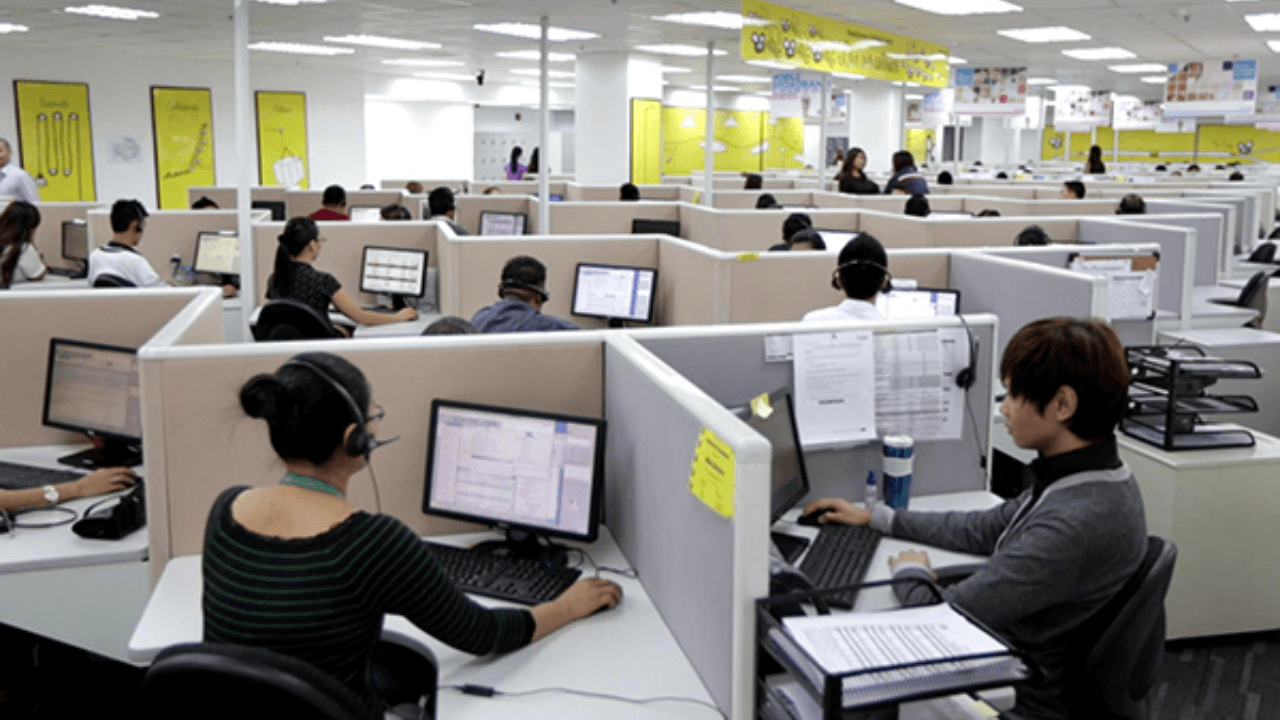
- Vietnam is emerging as a rival to the Philippines in IT-BPM
- Vietnamese students graduate high school already knowing coding
- Government-backed programs drive STEM education
- FPT and other Vietnamese firms are expanding globally
MANILA, PHILIPPINES — Vietnam is rapidly positioning itself as a global rival to the Philippines in the information and business process management (IT-BPM) industry, challenging the long-time dominance of the Philippines in outsourcing services.
The country’s aggressive investment in technology education and skills development has attracted international firms seeking cost-effective, highly skilled technical talent.
Vietnam’s STEM push fuels IT growth
Vietnam’s rise in IT-BPM is largely driven by its strong focus on science, technology, engineering, and mathematics (STEM) education.
According to a report from SunStar, Cherry Lyn Sta. Romana, dean of the College of Computer Studies at Cebu Institute of Technology-University, said the country’s government-backed programs are helping it secure high-value outsourcing projects.
“Vietnam is very purposive in the way they are pushing the growth of their IT sector,” Sta. Romana said. “Their government mandates initiatives that support technology education and skills development.”
Vietnamese universities are producing graduates with strong technical abilities, including coding and computational thinking, skills now introduced at the basic education level.
“Students in Vietnam graduate from senior high school already knowing coding and computational thinking,” she said.
“In the Philippines, we cannot even make it a requirement yet because we lack teachers who can handle those subjects,” she added.
Philippine IT-BPM faces rising competition
The Philippines retains its position as the top global center for voice-based outsourcing and customer service operations. The report indicates that automation and artificial intelligence (AI) technologies are transforming industry requirements by creating a demand for advanced technical services.
Sta. Romana noted that many international companies are considering or shifting operations to Vietnam due to its growing technical workforce and competitive costs.
“It hurts me as a Filipino because I want these opportunities to come to the Philippines,” she said. “But Vietnam is pushing very strongly for its technology sector.”
Vietnamese firms such as FPT are also expanding globally, positioning themselves as major players in IT consulting.
The Philippines maintains multiple advantages as it possesses strong English skills and its IT-BPM industry base established through its existing educational system.
Sta. Romana emphasized also that to remain competitive, the country must invest aggressively in STEM education and technology training.
“If we do not upgrade our skills and education system, other countries will continue to move ahead,” she said.
The emergence of Vietnam demonstrates a larger pattern which shows Southeast Asian countries developing their digital workforce through educational programs to attract international outsourcing work.
For the Philippines, sustaining leadership in IT-BPM will require both strategic policy support and an urgent overhaul of education and workforce development, ensuring it can compete not only in voice services but in higher-value digital solutions.
Related news
- Philippines BPOs race to upskill in AI age, says IBPAP chief · 20 Feb
- Tech firms target Eastern Europe, LatAm for AI talent — Brand Vision · 15 Jan
- Vietnam emerges as top global software outsourcing hub, analyst says · 19 Nov 2025
Disclosure: Outsource Accelerator uses AI tools in the backend of its editorial workflow. Every article is reviewed and verified by a human editor before publication.
Stay ahead of the outsourcing industry. Join thousands of business leaders who rely on Outsource Accelerator for the news, trends, and expert insights that matter. Subscribe to our free newsletter and never miss an update.








