
AI agents set to disrupt BPO jobs, enterprise workflows: experts

- Three advances make agents viable: reasoning, autonomy and memory
- BPO is the first workforce category being actively affected
- Companies reallocate portions of BPO work while benchmarking performance
- Experts foresee agent-dominated organizations within five years
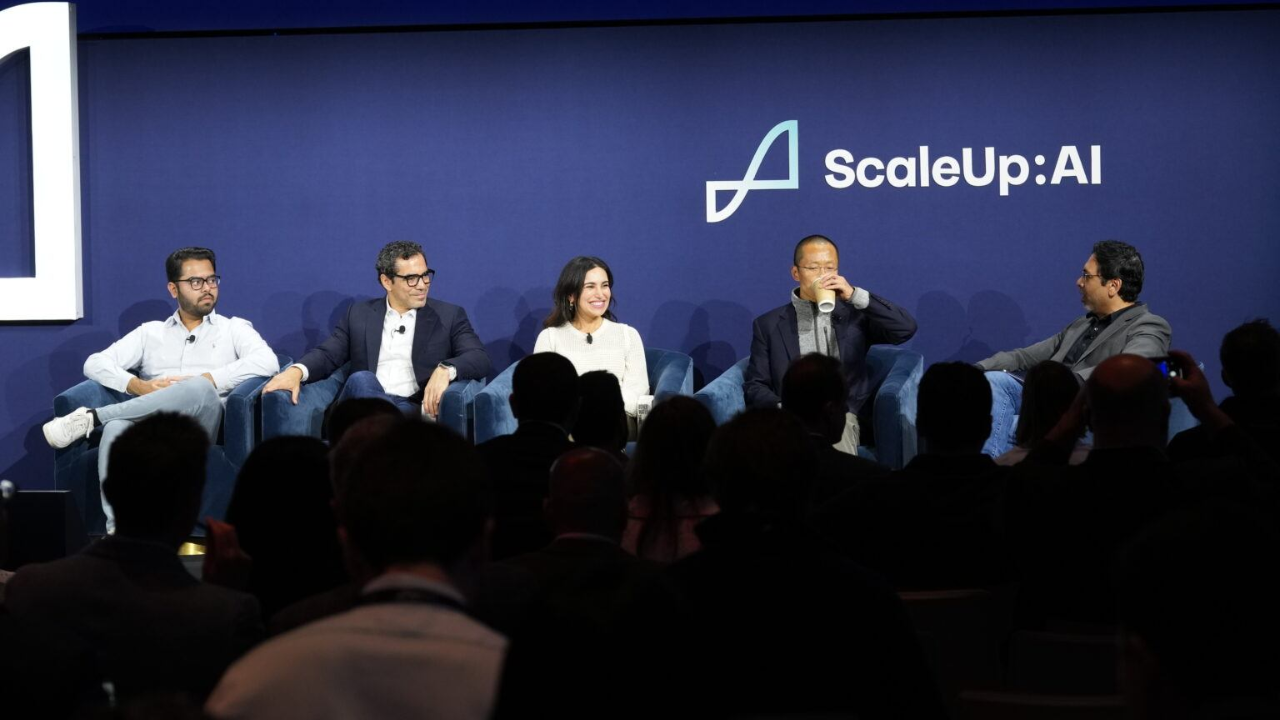
NEW YORK, UNITED STATES — Artificial intelligence (AI) agents capable of decision-making, execution, and reflection are moving from pilot tests to full-scale production, raising concerns about workforce disruption and enterprise workflow transformation.
Business process outsourcing (BPO) roles, in particular, are expected to face early pressure as organizations adopt autonomous agents to handle repeatable, high-volume tasks.
Technical advances make agents viable for full workflows
AI is no longer limited to single-step tasks. Three major advances—reasoning, autonomy, and expanded memory—have made agents capable of managing multi-step workflows from start to finish.
According to a report from Insight Partners, autonomy allows agents to execute entire tasks and self-correct without constant human oversight, while expanded memory ensures context is retained across long-running workflows.
Adobe’s platform demonstrates this in marketing campaigns, where tasks that once required multiple teams working sequentially can now be executed end-to-end through human-AI collaboration.
“The workflow is significantly shortened, cycle time significantly cut, and it impacts a lot of the functions within the corporate [sphere],” said Bin Mu, Chief AI & Data Officer at Adobe.
Organizational and human factors are the bottleneck
Despite technological progress, adoption is slowing due to human and organizational factors.
May Habib, CEO of WRITER, noted that enterprises often default to maximum human intervention rather than minimal oversight, delaying efficiency gains.
“We are really trying to challenge and encourage them to think much bigger about the radical simplicity they can bring to so much of their operations if they’re willing to rethink the calcification of functions, systems, data, people, and their processes,” she said.
BPO is the first workforce category being actively affected. Companies are gradually reallocating portions of BPO work to AI agents while benchmarking performance, rather than replacing staff wholesale.
“It is a trading of problems with a distinction that the agentic ones are getting better over time faster than the human solutions,” said Manny Medina, CEO of Paid.
Looking ahead, experts foresee organizations dominated by AI agents within five years, with humans primarily supervising and governing them. Challenges such as scalable oversight, defining failure, and maintaining governance structures remain critical, particularly as agent-driven operations expand.
For the outsourcing industry, these trends signal both disruption and opportunity. BPO providers may need to rethink business models, integrating AI while focusing on value-added supervision and verification services.
Firms that embrace agentic workflows early could see efficiency gains and cost reductions, while the broader sector faces structural pressure to adapt or risk losing relevance in an increasingly automated global market.
Related news
- IBM cuts 8,000 jobs as AI reshapes workforce, redirects savings · 9 Jun 2025
- U.S. bank to launch India GCC with major Chennai office lease · 25 Mar
- Voice AI is dismantling India’s $40Bn outsourcing empire · 4 May
Disclosure: Outsource Accelerator uses AI tools in the backend of its editorial workflow. Every article is reviewed and verified by a human editor before publication.
Stay ahead of the outsourcing industry. Join thousands of business leaders who rely on Outsource Accelerator for the news, trends, and expert insights that matter. Subscribe to our free newsletter and never miss an update.








