
Global workforce to evolve as AI takes execution roles by 2028

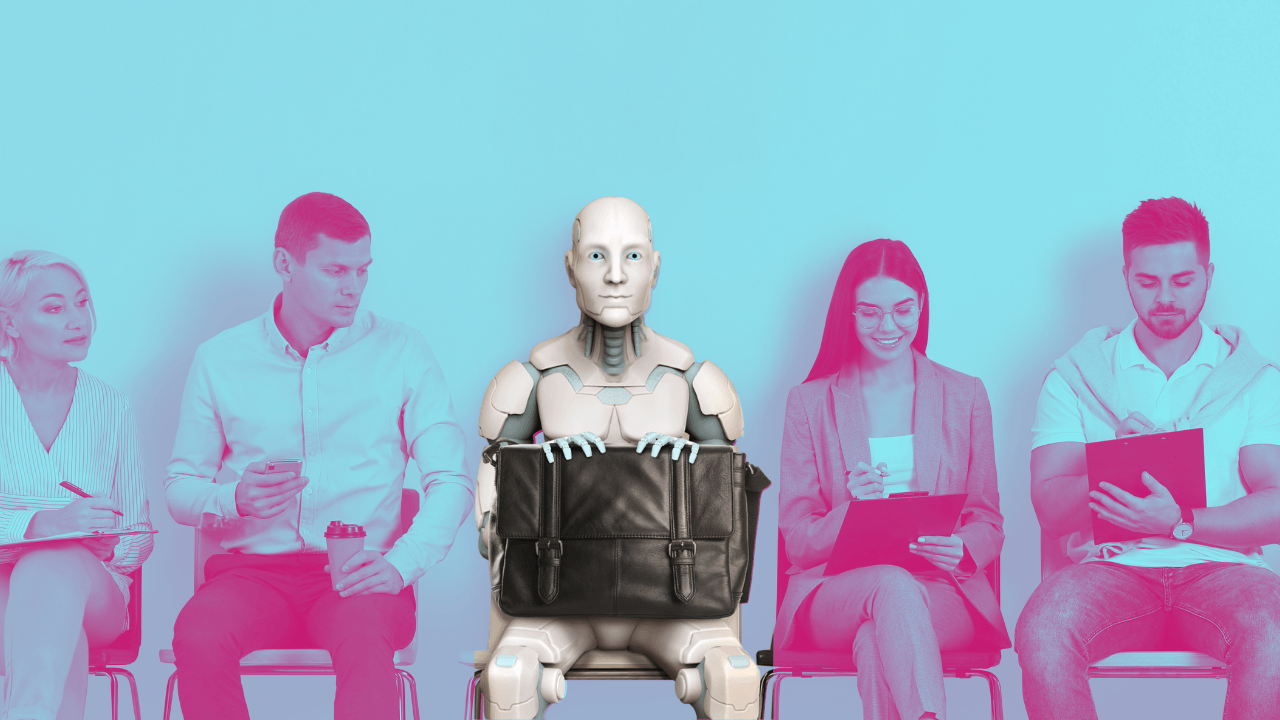
- More than half of enterprises will abandon AI copilots by 2028
- Humans become Agent Stewards supervising results
- Approval-heavy workflows face disruption first
- Layering AI on legacy apps risks 80% margin compression by 2030
KARTANAKA, INDIA — By 2028, the global workforce could look very different as more enterprises shift from using assistive artificial intelligence (AI) to platforms that autonomously execute workflows.
The transition is expected to redefine human roles, turning employees into supervisors of intelligent systems rather than traditional task performers.
AI shifts human roles toward supervision
Gartner predicts that more than half of all enterprises will abandon AI copilots and smart advisors in favor of systems designed to deliver concrete results.
According to a new report by Gartner, “In this environment, execution authority is not a product feature. It is an architectural position that spans control over identity, permissions, policy enforcement, system-of-record access, and auditability,” said Alistair Woolcock, VP Analyst at Gartner.
The move signals a major shift in the future of work, as employees transition from completing procedural tasks to overseeing AI-driven outcomes.
Humans will become “Agent Stewards,” supervising results instead of performing the work themselves, the report notes.
Approval-heavy and timing-sensitive workflows are expected to be the first to experience disruption, as AI reduces decision latency and reallocates authority to policy-bound agents.
Control and execution authority reshape enterprise strategy
The report emphasizes that successful platforms will not simply layer AI on top of existing systems. Instead, they will embed agent orchestration into systems of record, expose policy-aware execution application programming interfaces (APIs), and enforce identity and audit controls at the system’s core. Vendors that fail to adopt this approach risk obsolescence.
“This is not just about software features; it’s about control of enterprise context,” Woolcock added.
Gartner warns that by 2030, companies that layer AI onto legacy applications without redesigning for agentic execution could face margin compression of up to 80%.
For the global workforce, the implications are significant. Employees will need new skill sets focused on managing AI outputs, understanding policy constraints, and ensuring compliance. While jobs won’t disappear, their nature will evolve—moving from routine execution to supervision, decision validation, and outcome accountability.
Gartner’s report frames this as a structural choice for enterprises: redesign workflows around delegated execution or risk being bypassed by AI-driven platforms.
As the world of work shifts toward results-driven AI, human roles will increasingly emphasize strategy, oversight, and ensuring the ethical deployment of intelligent systems.
Employees who can adapt to supervising AI workflows and making judgment calls in complex scenarios are likely to become the most valuable talent in this new era.
Organizations that invest in reskilling and preparing their workforce for these supervisory roles will gain a critical competitive advantage as AI reshapes global employment.
Related news
- Entry-level jobs evolve as AI handles routine tasks · 7 Apr
- Human ‘power skills’ to outrank AI in 2026 workplaces, experts predict · 10 Jan
- Layoffs hit Kenya outsourcing as tech giants go all-in on AI · 25 Apr
Disclosure: Outsource Accelerator uses AI tools in the backend of its editorial workflow. Every article is reviewed and verified by a human editor before publication.
Stay ahead of the outsourcing industry. Join thousands of business leaders who rely on Outsource Accelerator for the news, trends, and expert insights that matter. Subscribe to our free newsletter and never miss an update.








