
India states compete to become global GCC innovation hubs

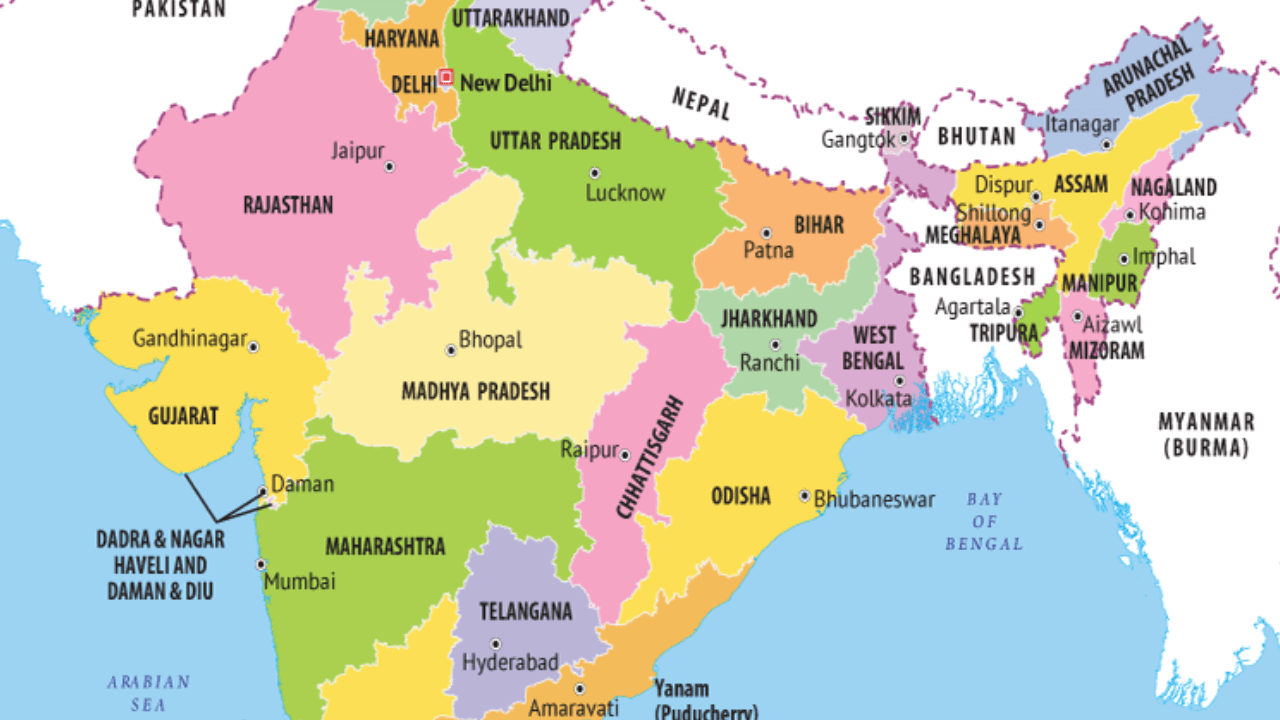
- Karnataka aims to attract 500 new GCCs by 2029
- Maharashtra targets 400 GCCs and 400,000 skilled jobs
- Telangana is targeting 120 new GCCs by 2026
- Analysts expect a nearly $100 billion GCC industry by 2030
SHUN KWONG, HONG KONG — India is intensifying its push to become the world’s leading destination for global capability centers (GCCs), as states compete to attract multinational firms shifting high-value operations such as artificial intelligence (AI), R&D and cybersecurity to the country.
Once viewed as offshore cost-saving units, GCCs are now central to global innovation strategies, prompting a policy race across India’s federal system.
GCCs evolve from cost hubs to innovation engines
According to a report from Law.asia, India’s GCC sector has undergone a major transformation, with centres now functioning as strategic hubs for product engineering, advanced analytics and intellectual property development.
“India’s rise as a global knowledge hub has accelerated with the growth of global capability centres (GCCs),” the report noted.
The shift has pushed state governments to move beyond wage arbitrage and instead compete through targeted incentives. These include capital subsidies, payroll assistance, regulatory fast-tracking and infrastructure support aimed at high-value technology investments.
“Once seen largely as cost-arbitrage back offices, GCCs now operate as integrated global hubs driving R&D, artificial intelligence, product engineering, advanced analytics, cybersecurity and intellectual property (IP) creation,” the report said.
State incentives fuel competition for global investment
India’s federal structure has created a competitive landscape where states are actively courting multinational corporations.
Karnataka’s GCC policy aims to attract 500 new centers by 2029, while Maharashtra is targeting 400 GCCs and 400,000 skilled jobs under its 2025 framework focused on AI and machine learning.
Telangana, anchored by Hyderabad, is also positioning itself as a high-end innovation hub targeting 120 new GCCs by 2026.
Tamil Nadu, meanwhile, integrates GCC growth into its broader R&D ecosystem, offering land and tax incentives, while Delhi NCR leverages Haryana and Uttar Pradesh policies to attract large-scale operations with subsidies and rapid approvals.
“This transformation has triggered intense competition among Indian states,” the report highlighted.
With governments now competing on incentives, infrastructure readiness and policy speed rather than just cost advantage.
Talent, policy reforms and the next phase of GCC growth
Central reforms have reinforced this expansion by improving ease of doing business. Measures such as digitized approvals and labor code modernization have reduced friction for global firms entering India.
These changes, combined with state-level incentives, are positioning India as a long-term strategic base for multinational operations.
India’s talent pool remains a critical advantage, supported by large-scale upskilling in AI, data science and cybersecurity. This is helping fuel what analysts expect to be a nearly $100 billion GCC industry by 2030.
Looking ahead, GCC expansion is expected to extend beyond major metros into Tier-2 and Tier-3 cities, spreading economic activity more evenly across the country.
From an outsourcing industry perspective, this evolution marks a structural shift. India is no longer just the back office of the world but is becoming a co-creator of global digital products and innovation pipelines.
As multinational firms deepen their presence, outsourcing is increasingly blending with in-house global operations—reshaping traditional delivery models and positioning India at the center of next-generation enterprise strategy.
Related news
- Nagaland opens first women-centric BPO center in Northeast India · 25 Feb
- India firms boost outsourced cybersecurity amid talent gap · 16 Apr
- Afrishore BPO launches FSO unit to combat UK, U.S. talent gap · 16 Apr
Disclosure: Outsource Accelerator uses AI tools in the backend of its editorial workflow. Every article is reviewed and verified by a human editor before publication.
Stay ahead of the outsourcing industry. Join thousands of business leaders who rely on Outsource Accelerator for the news, trends, and expert insights that matter. Subscribe to our free newsletter and never miss an update.








