
Peru Supreme Court strikes down outsourcing restrictions

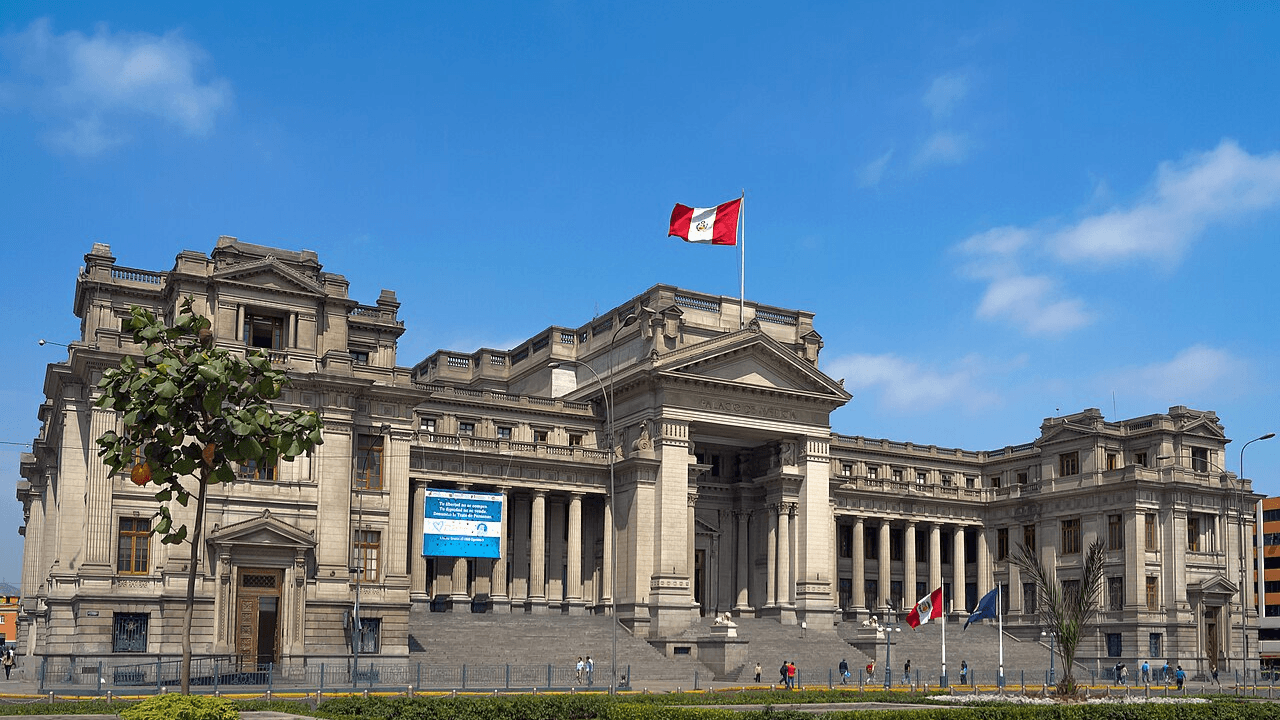
- Peru’s Supreme Court nullified Supreme Decree No. 001-2022-TR
- The decree had restricted outsourcing of core business activities
- The court found restrictions not provided by Law No. 29245
- Peru’s previous outsourcing framework is reinstated
NEW YORK, UNITED STATES — Peru’s Supreme Court has nullified key regulations limiting the outsourcing of “core business” activities, delivering a significant legal victory for companies and reshaping the country’s outsourcing framework.
In a ruling issued by its Permanent Constitutional and Social Law Chamber, the court fully upheld a legal challenge against Supreme Decree No. 001-2022-TR, declaring the measure invalid.
The decision, tied to Case No. 30989-2023-Lima, overturned a prior judgment that had only partially supported the claim, effectively striking down the decree in its entirety.
Court finds regulatory overreach and legal ambiguity
According to a report from DLA Piper, the now-nullified decree had introduced sweeping changes to Peru’s outsourcing rules, including “a restriction on outsourcing activities considered part of a company’s ‘core business’,” along with new criteria to define such activities.
It also established additional conditions under which outsourcing arrangements could be disregarded and imposed deadlines for companies to revise existing contracts.
However, the court determined that these provisions went beyond the government’s authority.
According to the ruling, the decree imposed “restrictions not provided by Law No. 29245,” the primary legislation governing outsourcing in Peru.
Judges also flagged the lack of clarity in the regulation, noting that “the criteria for defining ‘core business’ activities were unclear and ambiguous, leading to confusion in their application.”
This ambiguity, the court found, risked inconsistent enforcement and legal uncertainty for businesses.
Return to prior framework restores business flexibility
With the decree struck down, Peru’s previous outsourcing framework is reinstated. Companies are once again permitted to outsource activities that may fall within their core operations, provided they comply with existing legal standards.
The ruling removes a layer of restriction that had concerned employers and investors, particularly those relying on specialized third-party services.
Still, outsourcing practices will continue to face scrutiny. As noted in the case summary, “outsourcing arrangements remain subject to oversight by the Peruvian Labor Authority,” meaning companies must remain vigilant in meeting statutory requirements.
While the decision restores flexibility, it does not eliminate compliance risks. Firms must ensure that outsourcing arrangements are genuine and not used to circumvent labor protections.
The court’s move is likely to resonate beyond Peru, particularly in markets grappling with how to regulate outsourcing without stifling business efficiency.
By reinforcing the limits of regulatory authority and emphasizing legal clarity, the ruling may encourage a more balanced approach, the one that safeguards workers while allowing companies to adapt in an increasingly global and outsourced economy.
Related news
- Peru extradites call center operator who targeted U.S. Spanish speakers · 8 May 2025
- AI now drives global content operations, TransPerfect finds · 8 May
- AI-powered CXA reshapes contact center operations model · 17 Apr
Disclosure: Outsource Accelerator uses AI tools in the backend of its editorial workflow. Every article is reviewed and verified by a human editor before publication.
Stay ahead of the outsourcing industry. Join thousands of business leaders who rely on Outsource Accelerator for the news, trends, and expert insights that matter. Subscribe to our free newsletter and never miss an update.








