
Optum Philippines sees AI driving future healthcare jobs

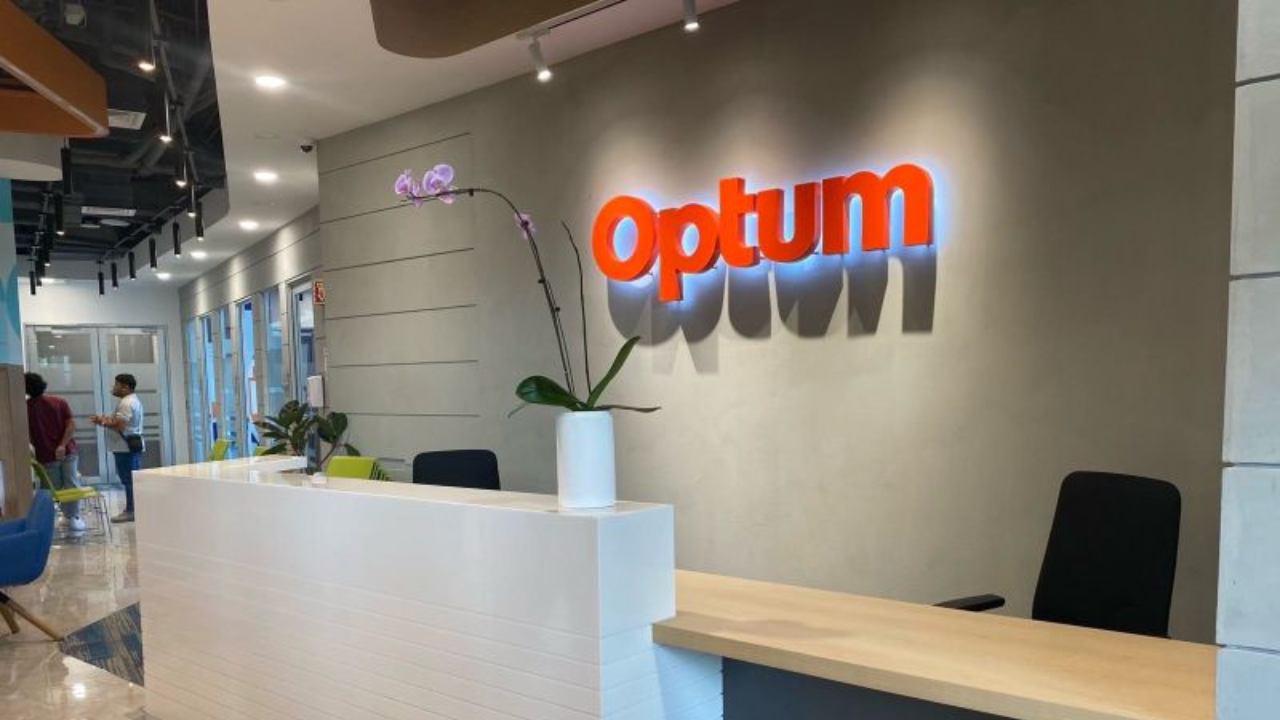
MANILA, PHILIPPINES — Optum Philippines, the largest healthcare global capability center (GCC) in the country with 25,000 employees, is betting that artificial intelligence (AI) will deepen rather than displace its Philippine workforce, with new Managing Director Samarth Mathur signaling a shift toward higher-value, AI-enabled roles supporting the United States healthcare market.
The strategy directly addresses U.S. political pressure to reshore back-office work, with Mathur stating that the captive center’s pivot to value-driven services insulates it from short- and long-term disruption tied to Washington policy debates.
Why political reshoring talk isn’t shaking Optum’s Philippine footprint
According to a report from ANC 24/7, Optum, a division of UnitedHealth Group, runs its Philippine hub as a captive operation rather than a third-party business process outsourcing (BPO), supporting the company’s insurance, healthcare services, pharmacy and data and technology divisions.
The 15-year-old operation handles end-to-end healthcare back-office functions, from member and patient experience to revenue cycle management (RCM) and payment integrity, with the company now moving more product, technology and clinical roles into the country.
Mathur said the captive structure and the move toward complex, specialty work mean the operation is positioned to grow even as some U.S. lawmakers push to bring outsourced jobs home.
“We are not in a BPO industry kind of a thing. So we are a truly captive center of the enterprise, right? And we are moving most of our roles into more value-oriented services rather than just the transactions,” Mathur said, adding that he does not anticipate “any immediate or any long-term impact” from the reshoring conversation.
How AI is reshaping Philippine healthcare talent
Optum has segmented its workforce into AI users, developers and consumers, with dedicated upskilling tracks for each group rather than treating the technology as a one-size-fits-all rollout.
Mathur said the company has seen strong employee uptake — academies launched for 20 volunteers regularly draw 40 applicants — and that AI is being treated as a force multiplier rather than a replacement for staff.
The strategy aligns with a broader shift Mathur described as the blurring of lines between operations and technology roles, with the company bringing in product and engineering work that was historically retained in U.S. hubs.
Optum is also working with Philippine government bodies including the Department of Trade and Industry, IBPAP and HIMAP to build the country’s AI talent pipeline.
“It’s going to be an AI first operations, AI first services, which is out there,” Mathur said, describing the company’s commitment to upskilling staff so they can “embrace AI as a kind of a force multiplier rather than anything else.”
For the global outsourcing industry, Optum’s approach signals where the competitive line is moving.
As U.S. healthcare buyers consolidate vendors and demand AI-enabled service delivery, captive centers and BPO providers that can pair clinical domain expertise with technology talent are positioned to capture the next wave of complex healthcare work — a structural shift that puts pressure on traditional contact-center-only providers and reinforces the Philippines’ standing as a strategic hub well beyond cost arbitrage.
Related news
- Global healthcare BPO market to surpass $600bn by 2033: DMI · 21 Apr
- Philippine IT-BPM sector hits $38B revenue in 2024: Colliers report · 29 Mar 2025
- Nagpur set to emerge as IT hub under MahaSTRIDE plan · 29 Apr
Disclosure: Outsource Accelerator uses AI tools in the backend of its editorial workflow. Every article is reviewed and verified by a human editor before publication.
Stay ahead of the outsourcing industry. Join thousands of business leaders who rely on Outsource Accelerator for the news, trends, and expert insights that matter. Subscribe to our free newsletter and never miss an update.








